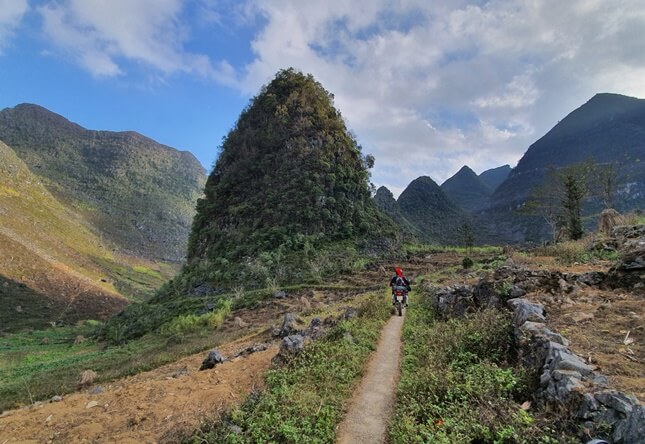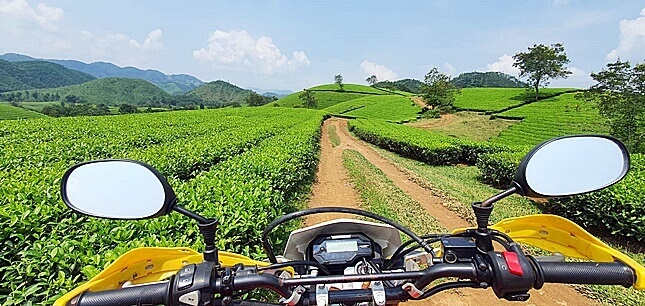



The best time to visit Vietnam is generally during the spring (March to April) and autumn (September to November), as these seasons offer pleasant weather, moderate temperatures, and light rainfall across most of the country. However, Vietnam’s long and narrow geography creates distinct regional climates, meaning the ideal travel window depends on whether you’re heading north, central, or south. To help you plan the perfect journey, our team at Vietnam Motorbike Tour Expert has drawn on years of experience to create this comprehensive guide.
1. Best time to visit Vietnam by seasons
Understanding Vietnam’s seasonal patterns is key to a successful trip. Each season brings different weather conditions to its three main regions, offering unique opportunities and challenges for travelers.
1.1. Vietnam in Spring (March-April)
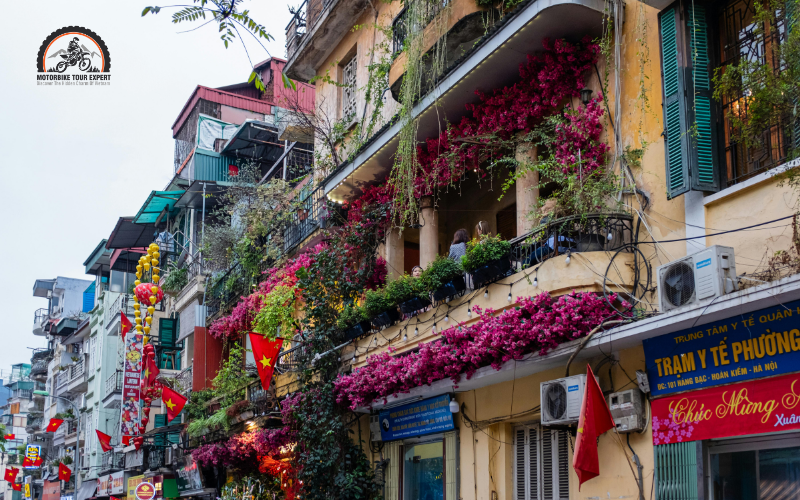
Spring, from March to April, is widely considered the best time to visit Vietnam. During these months, the weather is pleasant across the entire country, with moderate temperatures and light rainfall, making it ideal for a wide range of activities, from city tours to mountain trekking. In Northern Vietnam, temperatures are particularly comfortable, ranging from 18-32°C with minimal rain, offering perfect conditions for outdoor adventures.
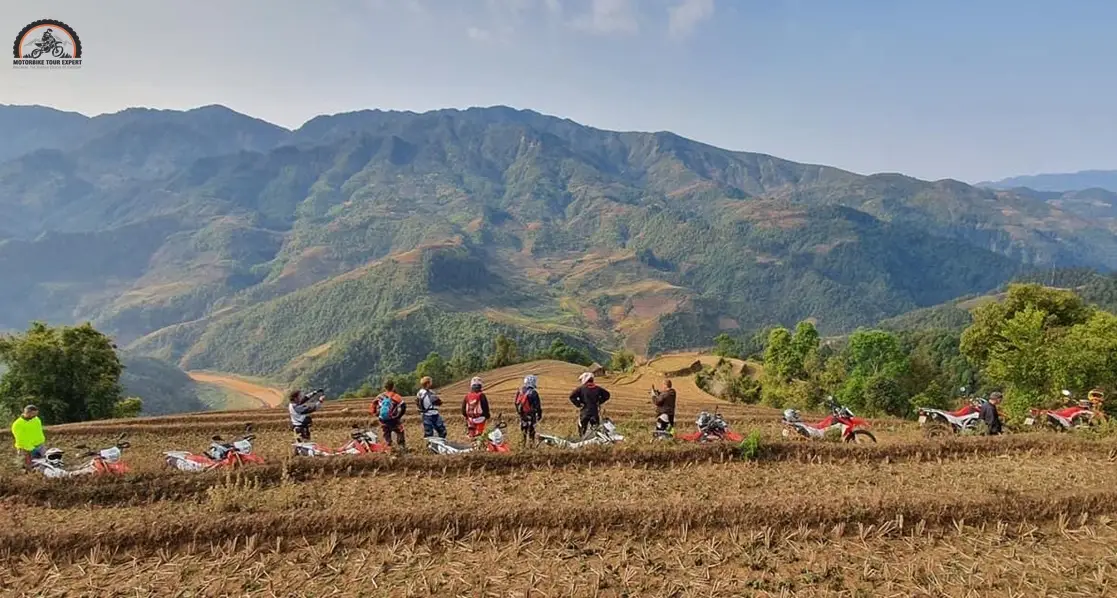
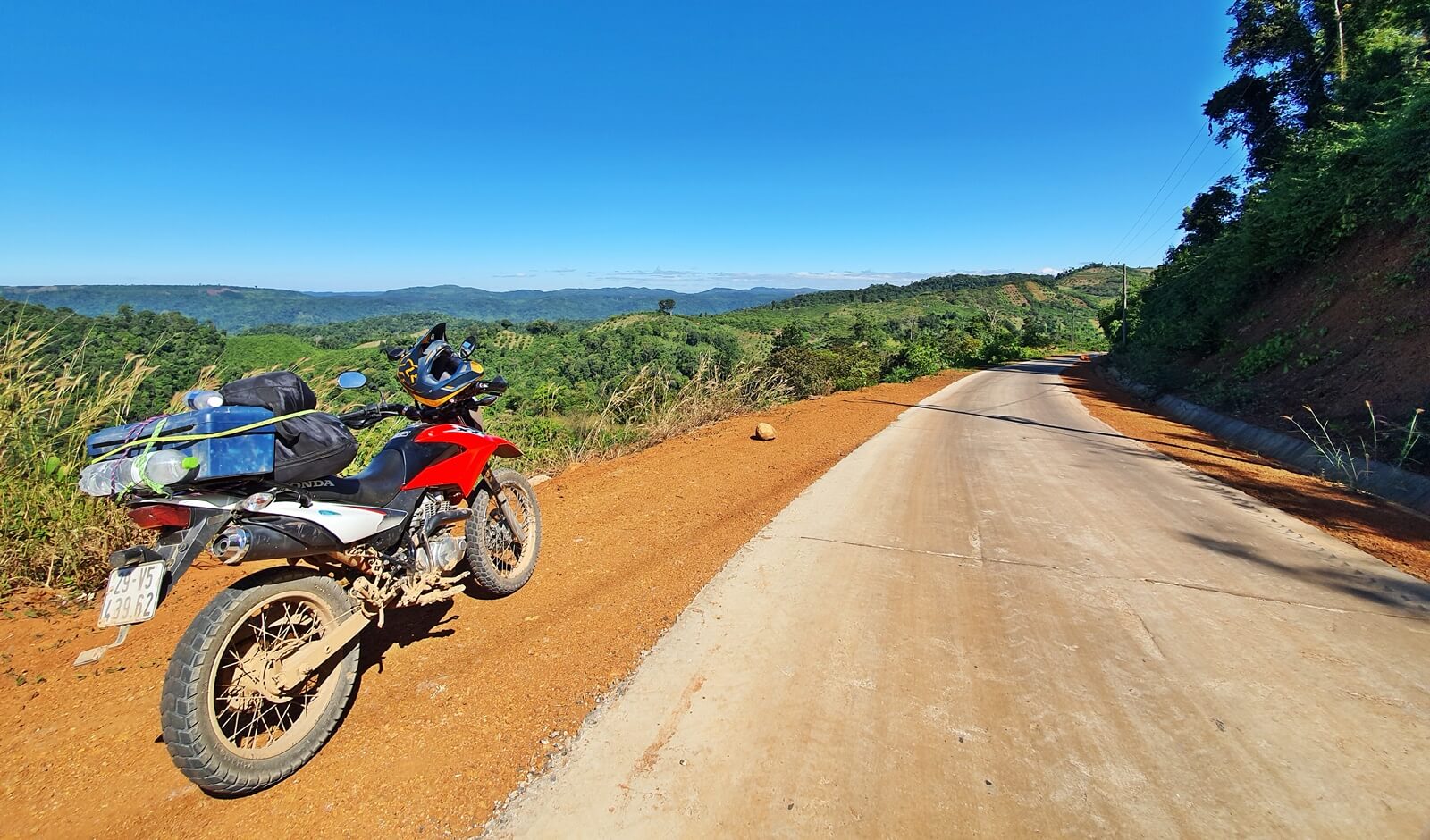
Our team at Vietnam Motorbike Tour Expert finds this season perfect for long-distance motorbike tours, as the roads are dry and the scenery is vibrant with blooming flowers.
1.2. Vietnam in Summer (May-August)
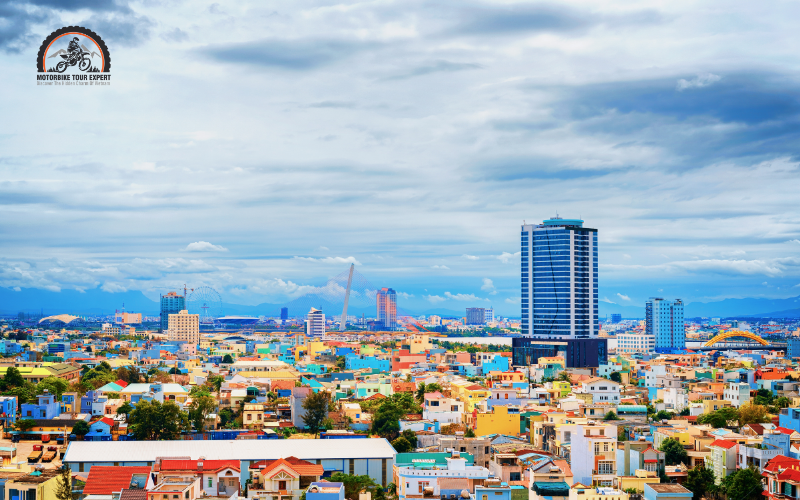
Summer in Vietnam, from May to August, presents a mixed travel experience due to regional weather variations. While Northern Vietnam becomes very hot and humid, Central Vietnam enters its best beach weather season with hot, dry conditions perfect for coastal destinations like Da Nang and Nha Trang.
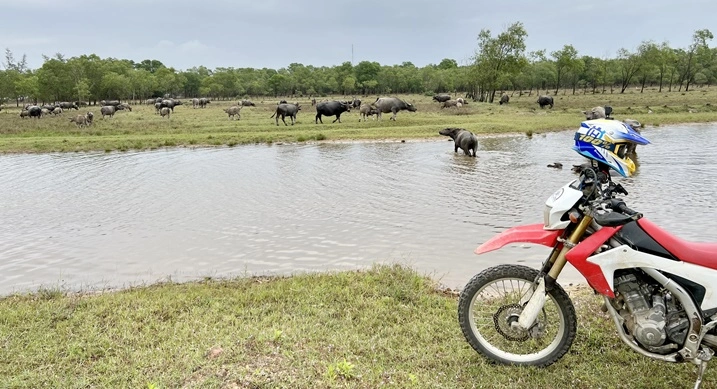
Southern Vietnam experiences its monsoon season during this time, but the brief, predictable afternoon showers rarely disrupt travel plans. In fact, our guides at Vietnam Motorbike Tour Expert often lead tours through the lush, green landscapes of the Mekong Delta during this period, as the rain brings a rfreshing coolness to the afternoons.
>>READ MORE: Best Time to Visit Mekong Delta: A Complete Guide
1.3. Vietnam in Autumn (September-November)
Autumn, from September to November, is another excellent time to visit Vietnam, especially its northern and southern regions. During this period, days are generally warm, sunny, and dry, creating perfect conditions for exploring Hanoi, cruising Halong Bay, or touring the Mekong Delta.
While the north and south enjoy pleasant weather, it’s important to note that this is the peak rainy and typhoon season for Central Vietnam. Cities like Hoi An and Hue can experience significant rainfall and potential flooding, particularly in October and November, so travel to this region should be planned with caution.

1.4. Vietnam in Winter (December-February)
Winter in Vietnam, from December to February, offers a diverse climate experience that varies greatly by region. Northern Vietnam sees a cold, dry winter, where temperatures in mountainous areas like Sapa can dip to 4°C, requiring warm layers of clothing.
In contrast, Southern Vietnam enjoys its dry season with warm, sunny weather and clear blue skies. This makes it the perfect warm-weather escape for those looking to explore Ho Chi Minh City, relax on the beaches of Phu Quoc, or take a motorbike tour through the Mekong Delta.

2. Best time to visit Vietnam by region
Because Vietnam stretches over 1,600 kilometers from north to south, its weather varies dramatically by region. Planning your trip around these regional climates is essential for the best experience.
2.1. Best time to visit Northern Vietnam (Hanoi, Halong Bay, Sapa)
The best time to visit Northern Vietnam, which includes popular destinations like Hanoi, Halong Bay, and Sapa, is during the spring (March to April) and autumn (September to November) months. These seasons offer comfortable, mild temperatures (15-28°C) and clear skies, ideal for outdoor activities such as trekking through Sapa’s iconic golden rice terraces or cruising the emerald waters of Halong Bay.

One of our Vietnam Motorbike Tour Expert tour guides, Kim Tran, shared: “Riding through Sapa in October was absolutely magical. The golden rice terraces, perfect weather, and dry mountain roads made it the adventure of a lifetime.”
2.2. Best time to visit Central Vietnam (Hoi An, Da Nang, Hue)
For Central Vietnam, which is home to the historic cities of Hoi An, Da Nang, and Hue, the best time to visit is from February to May. This period provides dry, warm weather that is perfect for exploring ancient towns, relaxing on sandy beaches, and enjoying the region’s famous coastal scenery.
While the summer months (June to August) are also popular with beachgoers, travelers should be aware that the rainy season runs from September to December. This period brings a high risk of typhoons and flooding, especially in October and November, which can disrupt travel plans.
>>READ MORE:
- Best time to visit Hoi An: Weather Guide From Local
- Best time to Visit Nha Trang Vietnam: A Seasonal Guide
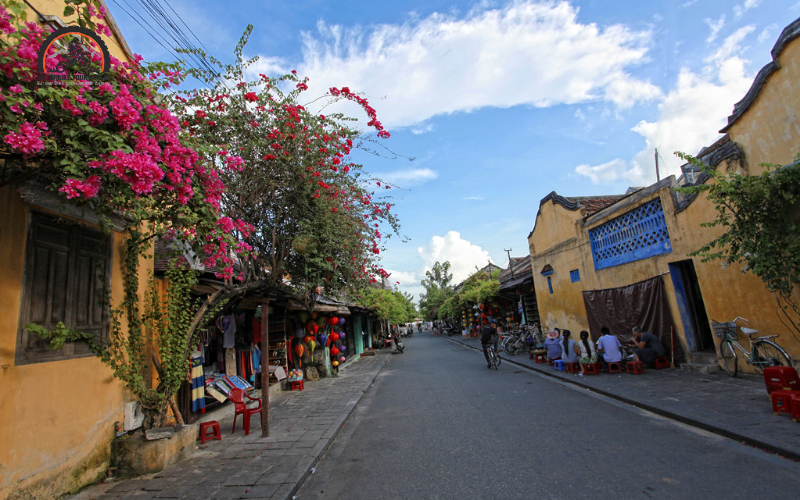
2.3. Best time to visit Southern Vietnam (Ho Chi Minh City, Mekong Delta)
The best time to visit Southern Vietnam, encompassing Ho Chi Minh City and the vibrant Mekong Delta, is during the dry season from December to March. This period brings clear skies, lower humidity, and pleasantly warm temperatures, making it perfect for city exploration and river tours.
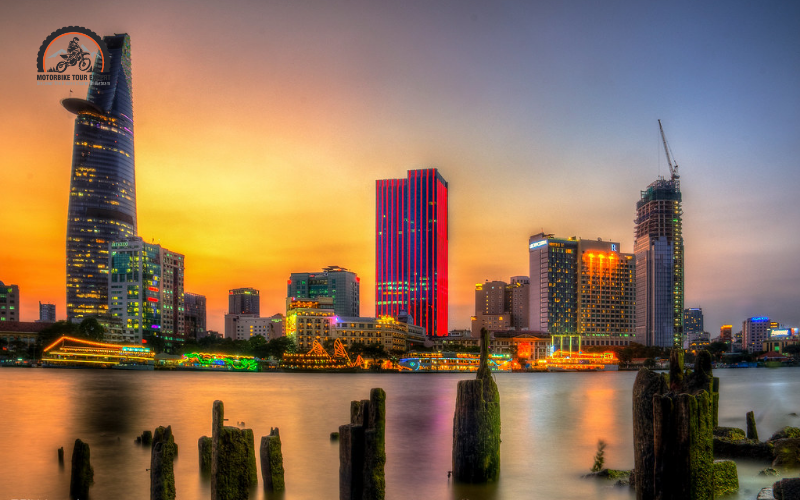
Sarah from the UK, who joined our Mekong Delta motorbike tour in January, noted: “The dry season made all the difference. We could ride through the countryside without worry, stop at local markets, and truly immerse ourselves in the delta’s beauty.”
While the south is warm year-round, the rainy season from May to November involves brief but heavy afternoon showers which generally don’t hinder travel significantly.
3. Best time to Visit Vietnam for your interests
The ideal time for your Vietnamese adventure also depends on what you want to do. Whether you’re a beach lover, a trekking enthusiast, or a culture buff, timing your trip right is crucial.
3.1. For beaches
To make the most of Vietnam’s stunning coastline, the best time for a beach holiday is from April to August in Central Vietnam (Da Nang, Nha Trang) and from December to April in Southern Vietnam (Phu Quoc, Mui Ne).
These periods offer hot, sunny weather and calm seas, perfect for swimming, sunbathing, and water sports. It is advisable to avoid the central coast from September to December, as this is the peak rainy and typhoon season, which can lead to rough seas and poor beach conditions.
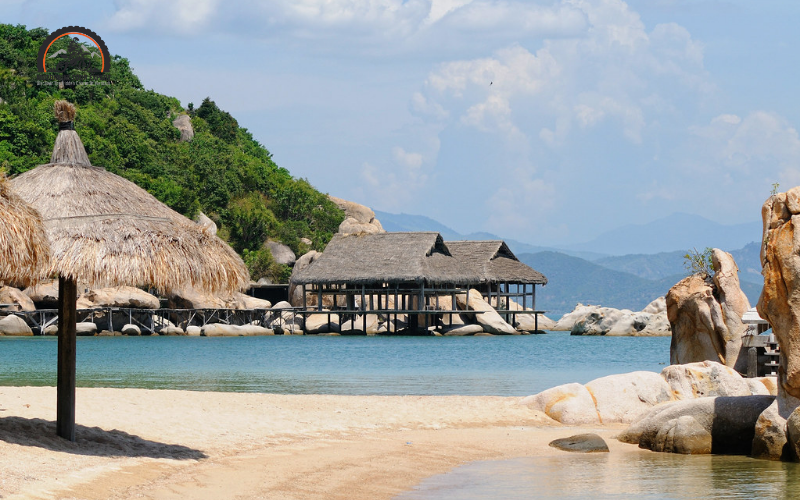
3.2. For hiking and outdoor activities
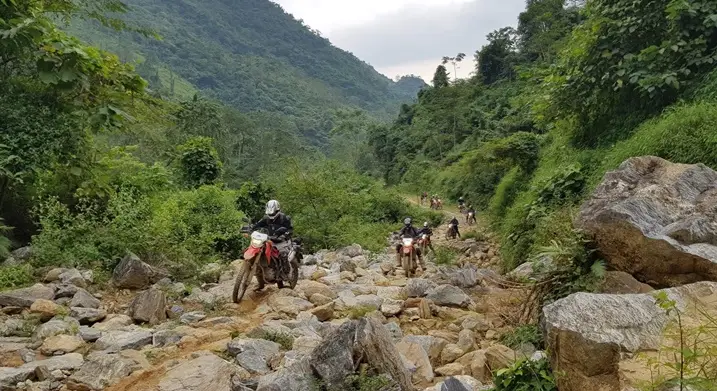
For hiking and outdoor adventures in Vietnam, the prime seasons are spring (March to May) and autumn (September to November). During these months, the weather in the northern highlands, home to world-class trekking destinations like Sapa and Ha Giang, is cool, dry, and pleasant, offering excellent trail conditions and breathtaking views.
We at Vietnam Motorbike Tour Expert schedule our most popular mountain expeditions during these windows to ensure our riders experience the landscapes safely and in their full glory.
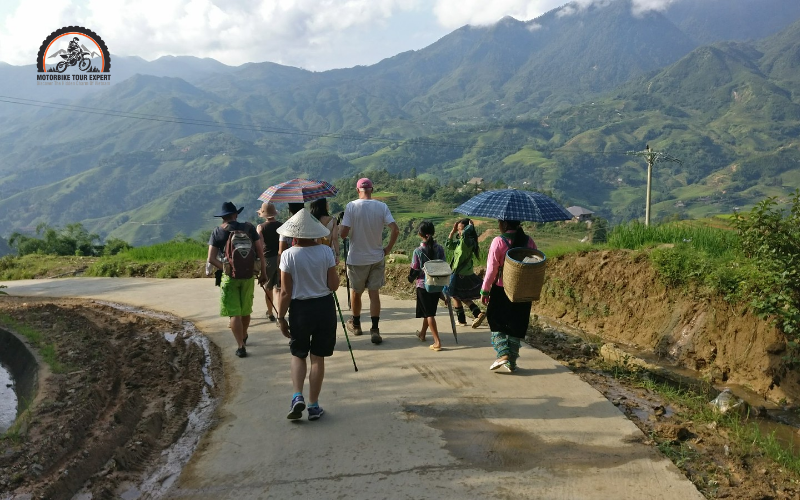
3.3. For cultural experiences and city exploration
The best time for cultural tours and city exploration in Vietnam’s major hubs is from December to March. This period offers pleasant, dry weather in both Hanoi and Ho Chi Minh City, allowing for comfortable sightseeing at temples, colonial-era buildings, and fascinating museums.
The milder temperatures and lower humidity make walking through historic districts like Hanoi’s Old Quarter or exploring the bustling streets of Ho Chi Minh City a particularly enjoyable experience without the intense heat of the summer months.
4. When is the Worst Time to Visit Vietnam?
While Vietnam is a year-round destination, certain periods present challenges that travelers should be aware of to avoid disappointment.
-
Typhoon Season (July-October): Travelers should be cautious when planning a trip to Central and Northern Vietnam from July to October due to a heightened risk of typhoons. This period can bring heavy rain, strong winds, and flooding, which may lead to significant travel disruptions, flight cancellations, and tour postponements, particularly along the coast.
-
Extreme Heat (April-August): For those sensitive to high temperatures, the worst time to visit Vietnam is during the peak of summer. Southern Vietnam can be extremely hot and humid in April and May, while Northern and Central Vietnam experience their most intense heat, with temperatures often exceeding 35°C (95°F), in July and August.
-
Tet Holiday (Late Jan/Early Feb): Traveling in Vietnam during the Tet (Lunar New Year) holiday can be challenging. Many shops, restaurants, and attractions close for the celebration, public transportation is heavily booked, and accommodation prices surge. While it offers a unique cultural experience, the logistical hurdles make it a difficult time for first-time visitors.
In summary, the best time to visit Vietnam is during the shoulder seasons of spring (March-April) and autumn (September-November), when you can expect pleasant weather across much of the country. However, the ideal timing for your trip truly depends on your specific destinations and planned activities. Whether you seek sunny beaches in the south, cultural tours through ancient cities, or motorbike adventures in the northern mountains, planning around regional climates is the key to an unforgettable journey. For a personalized itinerary crafted by local experts, contact Vietnam Motorbike Tour Expert to start planning your perfect Vietnamese adventure.