Your message has been sent. Thank you!
 Your message has been sent. Thank you!
I'm ready to book
Hmm, I still need more information
My information
Detailed information
From $ USD
Ho Chi Minh Trail Motorcycle Tour – 12 Days

Duration:
12 Days/ 11 Nites

Destinations:
Hanoi - Nha Trang

Tour Level:
More offroad (>40%)

Highlight:
Destination:
Ha Noi
Mai Chau
Tan Ky
Phong Nha
Ke Bang National park
Khe Sanh
Vinh Moc tunnels
Hue
Da Nang
Hoi An
Kon Tum
Buon Me Thuat
Lak Lake
Nha Trang
Pickup from:
Hanoi, Airport or any hotel in Ha Noi city
Suitable Bikes:
Honda XR150L, Honda CRF300L,


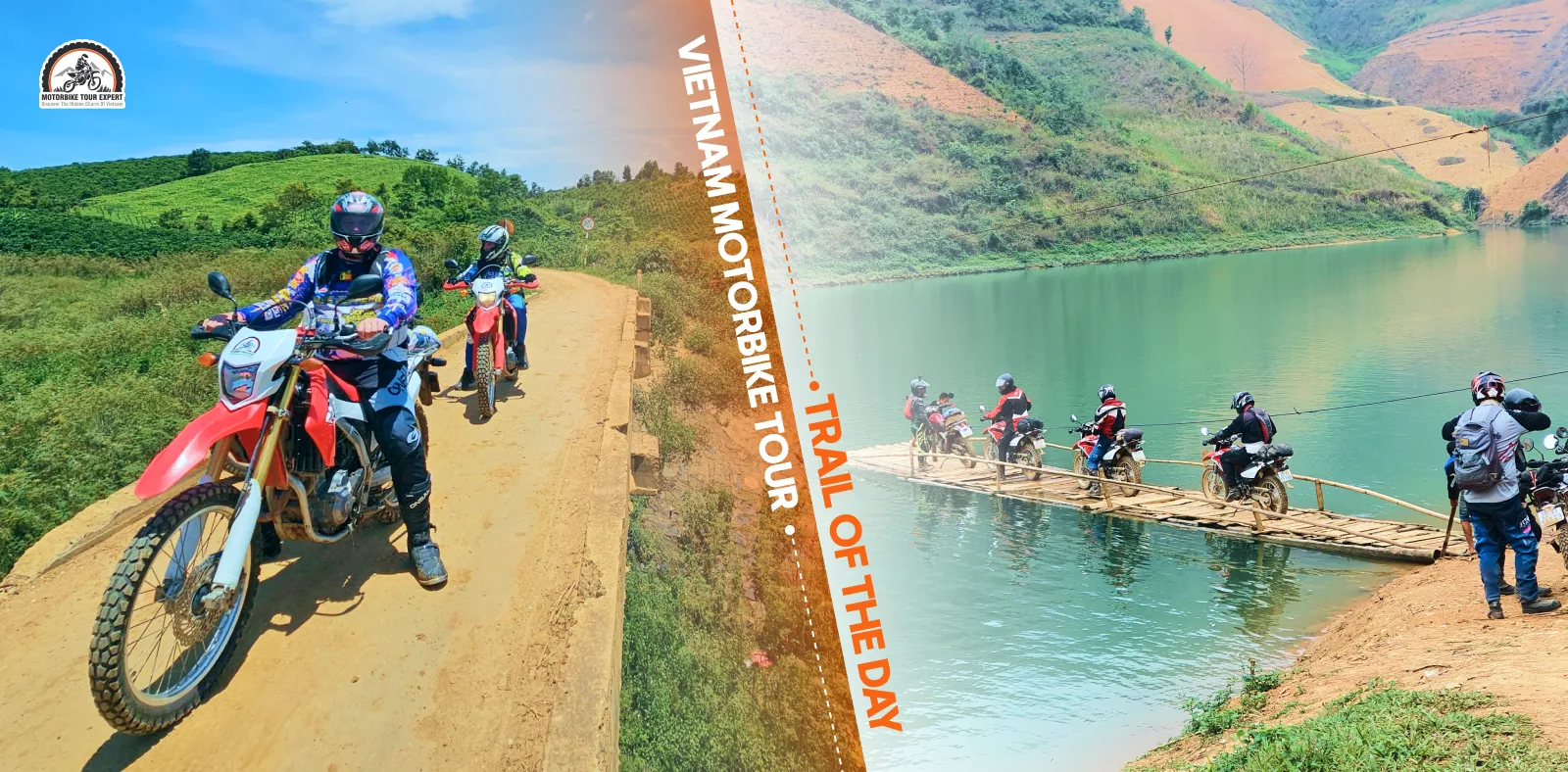
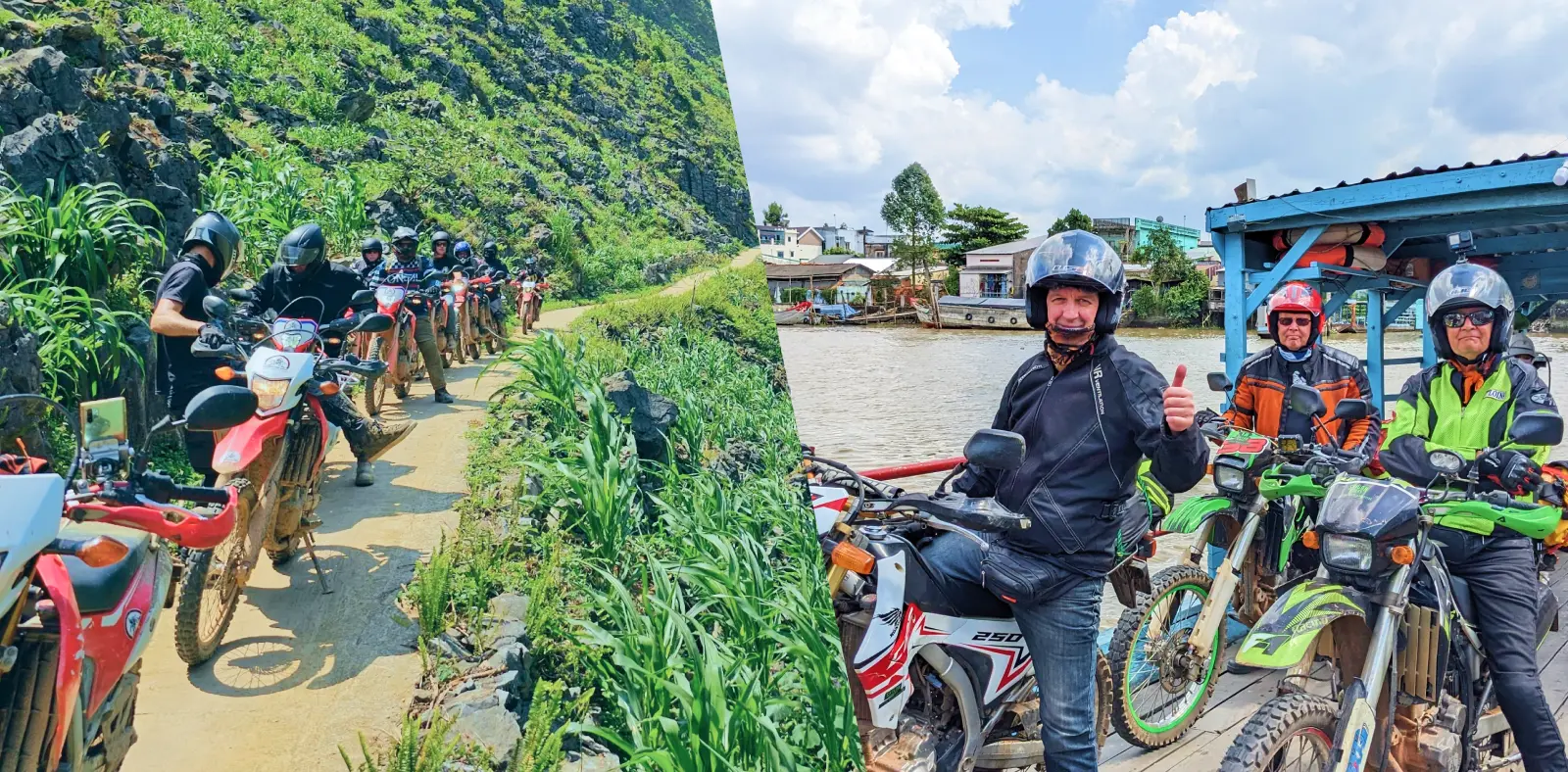

Tucked high in the mountains of northern Vietnam, Heaven’s Gate Ha Giang offers more than just a viewpoint – it’s the beginning of an unforgettable journey through rugged landscapes, ethnic culture, and quiet moments above the clouds. Whether you’re a motorbike traveler or a nature lover, this iconic mountain pass invites you to slow down, breathe deep, and see Ha Giang from a whole new perspective. Let Vietnam Motorbike Tour Expert guide you through every detail of the journey.
Located about 43 kilometers from Ha Giang City along Highway 4C, Quan Ba Heaven Gate sits at an altitude of 1,500 meters above sea level, marking the entrance to the famous Dong Van Karst Plateau Global Geopark. Surrounded by towering peaks and deep valleys, this spot offers some of the most breathtaking mountain scenery in northern Vietnam.
The gate is not just a natural wonder — it’s also steeped in history. In 1939, the French colonialists built a large wooden gate here to control access to the upland plateau. Though the original structure no longer exists, the site remains a symbolic threshold between the remote highlands and the rest of the world.
Today, Heaven’s Gate Ha Giang is a popular stop for travelers exploring the Ha Giang Loop. From its viewpoint, visitors can admire panoramic views of Nam Dam and Truc Son valleys, and on clear days, even catch a glimpse of the iconic Twin Mountains of Quan Ba.
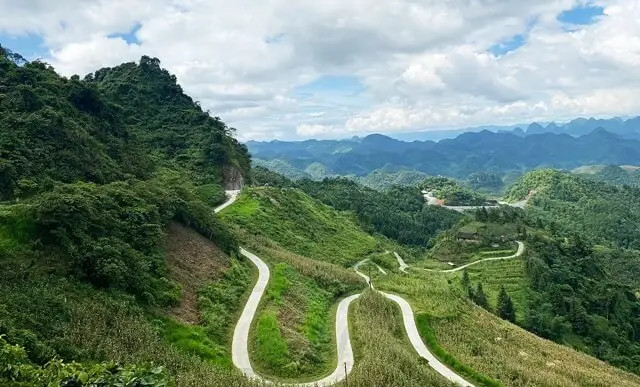
The road to Heaven’s Gate Ha Giang is steep and winding, with sheer cliffs on one side and deep drops on the other. For this reason, motorbikes are the preferred mode of transport, offering flexibility and an immersive way to experience this dramatic and unforgettable landscape.

Heaven’s Gate Ha Giang is a destination that welcomes visitors year-round, as each season brings its own atmosphere and natural beauty. Whether it’s misty mornings in spring, golden rice terraces in autumn, or blooming flower valleys in winter, this mountain pass never lacks charm.
Among all seasons, August is often considered the most ideal time to visit. During this month, the skies are typically clear, and sunlight filters through the mountains, casting a warm glow over the terraced rice fields below. Soft clouds drift gently around the hills, creating a dreamlike scene that many travelers remember as the highlight of their trip.
Those visiting from December to March can enjoy the colorful beauty of cherry and plum blossoms in the valleys, while April and May bring the fresh green of newly planted rice paddies shimmering with water. September is especially popular, as the rice ripens into a golden carpet stretching across the hillsides, often referred to as the “golden season” of Ha Giang.
From mid-October to November, the mountains bloom again with soft pink buckwheat flowers, offering a uniquely romantic landscape. However, travelers are advised to avoid visiting during the rainy season (June to late July), as the mountain roads can become slippery and difficult to navigate safely.
A trip to Heaven’s Gate Ha Giang is not just about reaching a destination — it’s about immersing yourself in the stunning natural landscapes, absorbing the tranquil atmosphere, and discovering the unique features that make this part of Ha Giang Province unforgettable. Here are some must-have experiences along the way.
As you approach Heaven’s Gate Ha Giang along the winding Highway 4C, the scenery becomes increasingly dramatic. Towering limestone peaks, deep valleys, and layers of cloud create a sweeping mountain panorama that feels almost otherworldly. The higher you go, the more the views open up, offering travelers breathtaking moments at every turn.
The combination of untouched nature and high-altitude air gives visitors a rare sense of peace. Whether you’re on a motorbike or trekking on foot, take time to stop and admire the view, especially early in the morning, when the clouds drift low and the sunlight bathes the landscape in soft, golden light.

Just beyond the Heaven Gate lies one of Ha Giang’s most iconic natural formations — the Quan Ba Twin Mountains (also known as “Fairy Bosom Mountains”). These perfectly rounded hills rise side by side from the valley floor, their shape and symmetry standing out against the rugged surrounding terrain.
Legend has it that the mountains were formed from the sacred breast milk of a fairy, symbolizing fertility and abundance for the land of Quan Ba. Aside from the folklore, what truly captures visitors is the stunning visual contrast between the soft curves of the hills and the jagged peaks in the background.
The best viewpoint for the Twin Mountains is right after passing through the Heaven Gate. On a clear day, the sight of the twin hills nestled in a sea of green is one of the most photographed scenes in northern Vietnam, and for good reason.

Beyond the scenic views, the area around Heaven’s Gate Ha Giang offers a chance to connect with the cultural heart of Ha Giang through its many ethnic minority villages. The Dao, Tay, and Hmong communities live in small, quiet settlements nestled in the valleys or scattered along the mountain slopes. One of the most accessible is Nam Dam Village, home to the Dao people, located just a few kilometers from Tam Son Town.
Here, you can walk through traditional stilt houses, learn about local customs, and witness daily life that hasn’t changed much over the generations. Many households also offer homestays, allowing visitors to stay overnight and share meals, stories, and cultural experiences with local families. This is a truly immersive way to understand the spirit of Ha Giang’s highland communities.

No journey through the Heaven’s Gate Ha Giang is complete without a visit to a local market, where the region’s diverse cultures come alive in color, sound, and flavor. The Quan Ba Market, usually held on Sundays in Tam Son Town, is one of the most vibrant places to witness ethnic life in motion.
People from nearby villages trek down early in the morning, dressed in colorful traditional clothes, to trade goods ranging from handmade textiles and medicinal herbs to livestock and seasonal produce. For visitors, this is not just a place to shop, but a cultural experience where language, tradition, and hospitality intersect. If you’re seeking authentic local interaction, a market day is the time to go.

The journey doesn’t stop at Heaven’s Gate Ha Giang — in fact, it opens the door to a string of other breathtaking destinations nearby. Within just a few kilometers, you can visit the Fairy Bosom Twin Mountains, the Nam Dam cultural village, and the Tam Son town viewpoint, all offering unique perspectives of the landscape.
Heading further along the Happiness Road, travelers often continue toward Yen Minh, Dong Van, and Ma Pi Leng Pass — each site revealing more layers of the spectacular Dong Van Karst Plateau. These routes offer both physical and emotional highs, as you move deeper into a region shaped by both nature and the enduring strength of its people.
To ensure a smooth and memorable journey to Heaven’s Gate Ha Giang, a bit of planning can make a big difference, especially given the region’s high-altitude terrain and unpredictable weather. Whether you’re riding a motorbike through the winding mountain roads or visiting local villages, being well-prepared helps you enjoy the beauty of Ha Giang safely and comfortably.
A journey to Heaven’s Gate Ha Giang is more than just a scenic stop — it’s a gateway into the soul of Vietnam’s northern highlands. Whether you’re chasing clouds, exploring vibrant markets, or simply pausing to take in the vast landscape, Heaven’s Gate invites you to slow down and connect with a side of Vietnam that remains raw and beautifully untouched.
To make the most of your trip and explore Ha Giang like a local, follow Vietnam Motorbike Tour Expert. Their expert-led tours and deep local insight will help you navigate not only the mountain roads but the heart of the experience itself.
LET'S RIDE WITH US
 Duration:
4 Days/ 3 Nites
Destinations:
Hanoi - Vu Linh - Phu Yen - Moc Chau - Mai Chau - Hanoi.
Tour Level:
Chill Level Tours
Duration:
4 Days/ 3 Nites
Destinations:
Hanoi - Vu Linh - Phu Yen - Moc Chau - Mai Chau - Hanoi.
Tour Level:
Chill Level Tours
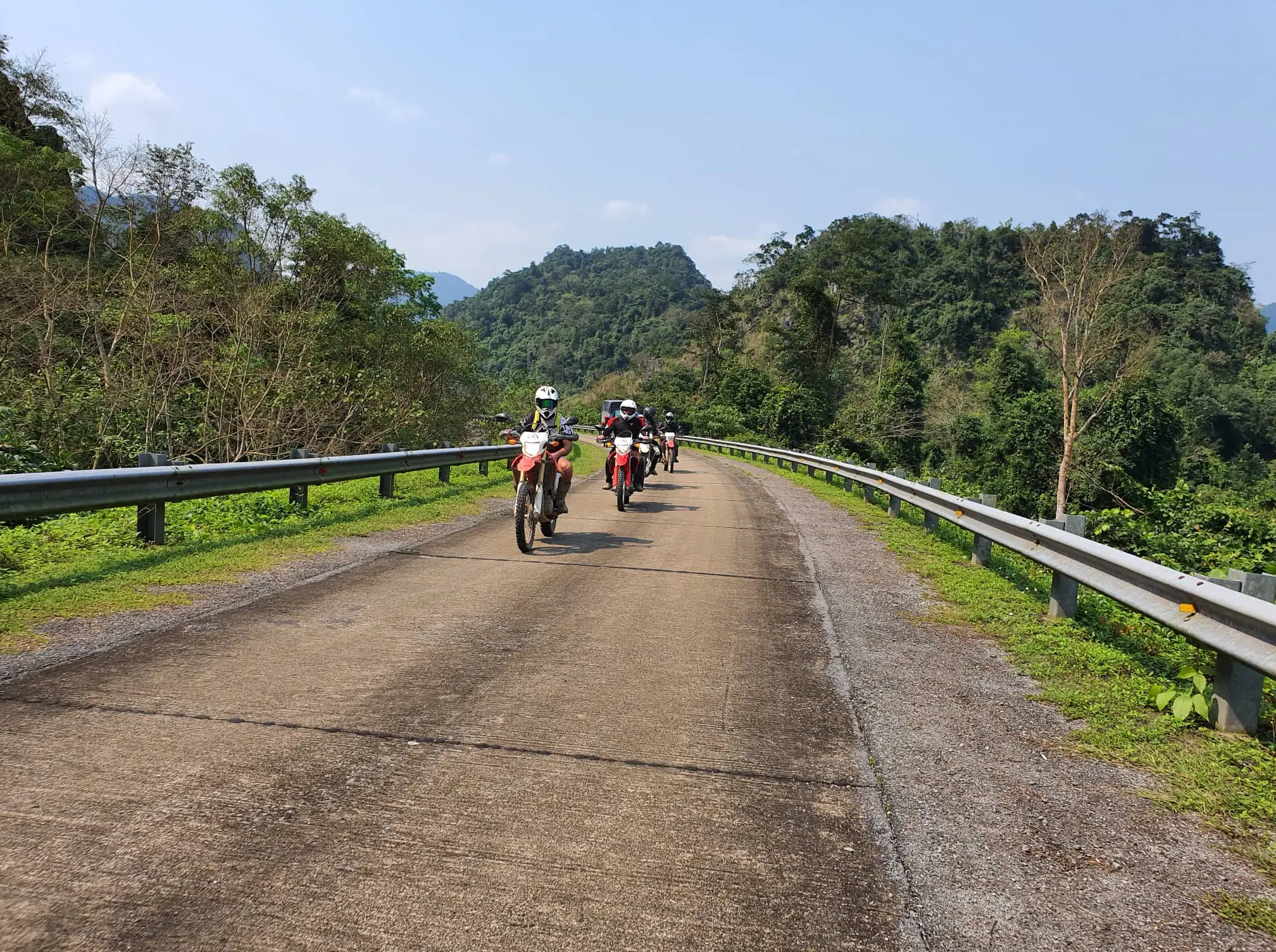 Duration:
11 Days / 10 Nites
Destinations:
Hanoi - Hoi An.
Tour Level:
Chill Level Tours
Duration:
11 Days / 10 Nites
Destinations:
Hanoi - Hoi An.
Tour Level:
Chill Level Tours
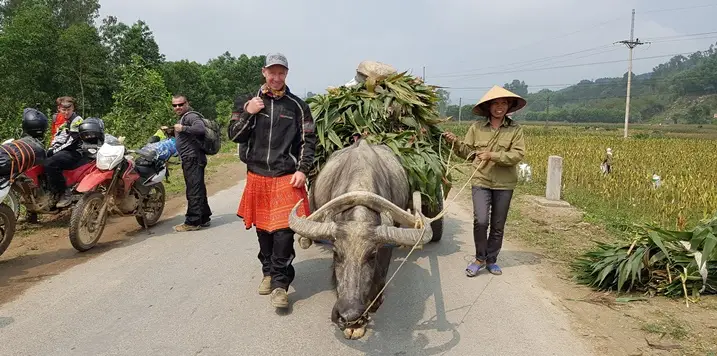 Duration:
4 Days / 3 Nites
Destinations:
Hanoi - Vu Linh
Tour Level:
Chill Level Tours
Duration:
4 Days / 3 Nites
Destinations:
Hanoi - Vu Linh
Tour Level:
Chill Level Tours
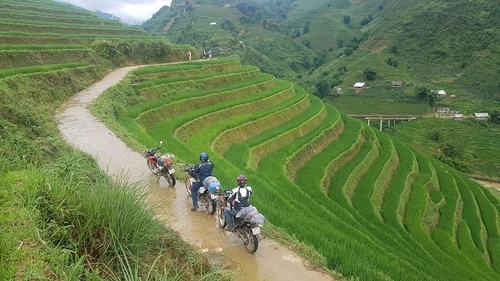 Duration:
6 Days/ 5 Nites
Destinations:
Hanoi - Thac Ba lake
Tour Level:
Chill Level Tours
Duration:
6 Days/ 5 Nites
Destinations:
Hanoi - Thac Ba lake
Tour Level:
Chill Level Tours
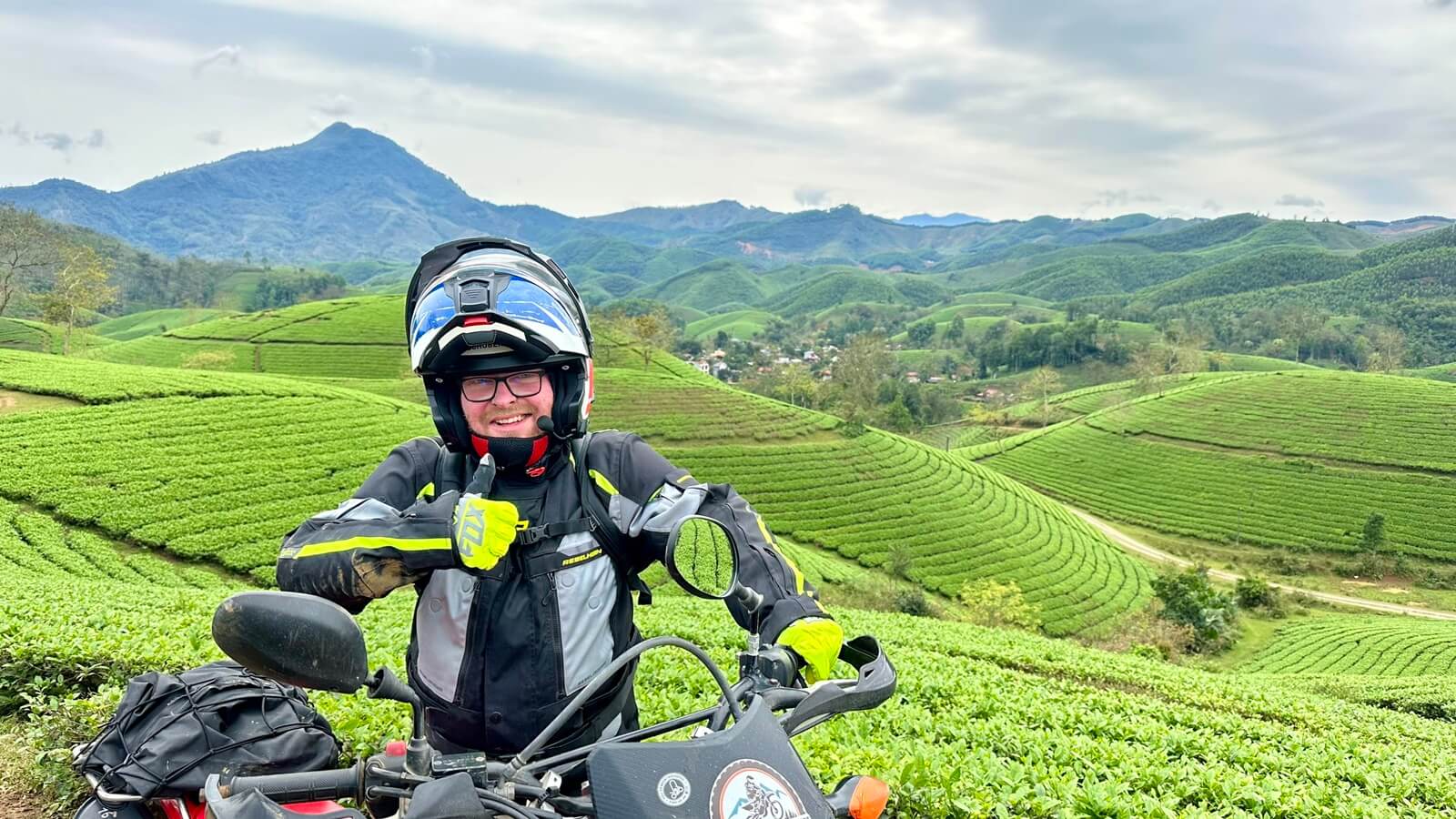 Duration:
7 Days / 6 Nites
Destinations:
Hanoi - Sapa
Tour Level:
Chill Level Tours
Duration:
7 Days / 6 Nites
Destinations:
Hanoi - Sapa
Tour Level:
Chill Level Tours
 Duration:
7 Days/ 6 Nights
Destinations:
Hanoi - Moc Chau - Sapa
Tour Level:
Chill Level Tours
Duration:
7 Days/ 6 Nights
Destinations:
Hanoi - Moc Chau - Sapa
Tour Level:
Chill Level Tours
 Duration:
15 Days/ 14 Nites
Destinations:
Hanoi - Ha Long bay
Tour Level:
Chill Level Tours
Duration:
15 Days/ 14 Nites
Destinations:
Hanoi - Ha Long bay
Tour Level:
Chill Level Tours
 Duration:
4 Days/ 3 Nites
Destinations:
Hanoi - Thac Ba lake
Tour Level:
Chill Level Tours
Duration:
4 Days/ 3 Nites
Destinations:
Hanoi - Thac Ba lake
Tour Level:
Chill Level Tours
4-Day Northern Vietnam Motorbike Tour From Hanoi
 Duration:
4 Days/ 3 Nites
Duration:
4 Days/ 3 Nites
 Tour Level:
Chill Level Tours - Moderate Level Tours
Tour Level:
Chill Level Tours - Moderate Level Tours
Experience the authentic Vietnam
Ride off the beaten track
Visit beautiful Thac Ba Lake
Interact with lovely local people
Riding some scenic offroad tracks
Enjoy a variety of local foods
11-Day Top Vietnam Motorbike Tour
Duration:
11 Days / 10 Nites
Tour Level:
Chill Level Tours - Moderate Level Tours
Discover the legendary Ho Chi Minh trail
Learn a lot about Vietnam war history
Ride off the beaten track
Experience the authentic Vietnam
Interact with lovely local people
Ride some beautiful coastlines
4-Day Short North Vietnam Motorbike Tour
Duration:
4 Days / 3 Nites
Tour Level:
Chill Level Tours - Moderate Level Tours
Experience the authentic Vietnam
Interact with lovely local people
Visit beautiful Thac Ba lake
Ride off the beaten track
Enjoy a variety of local foods
Ride some scenic offroad tracks
6-Day Northwest Loop Motorbike Tour Vietnam
Duration:
6 Days/ 5 Nites
Tour Level:
Chill Level Tours - Moderate Level Tours
Experience the authentic Vietnam
Explore the hidden gems in Northwest
Visit beautiful Sapa
Ride off the beaten track
Enjoy great local food
Interact with lovely local people
7-Day Motorbike Tour In North Vietnam
Duration:
7 Days / 6 Nites
Tour Level:
Chill Level Tours - Moderate Level Tours
Experience authentic Vietnam
Interact with lovely local people
Ride off the beaten path
Visit all the "Must-See" in North
Enjoy scenic off-road trails
Learn about Vietnamese culture
7-Day Amazing Motorbike Tour To The Hidden Lands Vietnam
Duration:
7 Days/ 6 Nights
Tour Level:
Chill Level Tours - Moderate Level Tours
Discover hidden charms of Northwest Vietnam
Ride fun offroad
Experience the authentic Vietnam
Experience beautiful Sapa
Interact with lovely local people
Ride off the beaten track
Hanoi Street Food Tour
Duration:
15 Days/ 14 Nites
Tour Level:
Experience the authentic Vietnam
Explore beautiful nature in North Vietnam
Interact with lovely local people
Ride scenic offroad trails
Ride off the beaten track
Visit Natural Heritage Ha Long Bay
4-Day Northwest Vietnam Motorbike Tour
Duration:
4 Days/ 3 Nites
Tour Level:
Chill Level Tours - Moderate Level Tours
Experience the authentic Vietnam
Visit beautiful Thac Ba lake
Interact with lovely local people
See the quiet countryside Vietnam
Ride off the beaten track E
Enjoy great local food