Your message has been sent. Thank you!
 Your message has been sent. Thank you!
I'm ready to book
Hmm, I still need more information
My information
Detailed information
From $ USD
Ho Chi Minh Trail Motorcycle Tour – 12 Days

Duration:
12 Days/ 11 Nites

Destinations:
Hanoi - Nha Trang

Tour Level:
More offroad (>40%)

Highlight:
Destination:
Ha Noi
Mai Chau
Tan Ky
Phong Nha
Ke Bang National park
Khe Sanh
Vinh Moc tunnels
Hue
Da Nang
Hoi An
Kon Tum
Buon Me Thuat
Lak Lake
Nha Trang
Pickup from:
Hanoi, Airport or any hotel in Ha Noi city
Suitable Bikes:
Honda XR150L, Honda CRF300L,


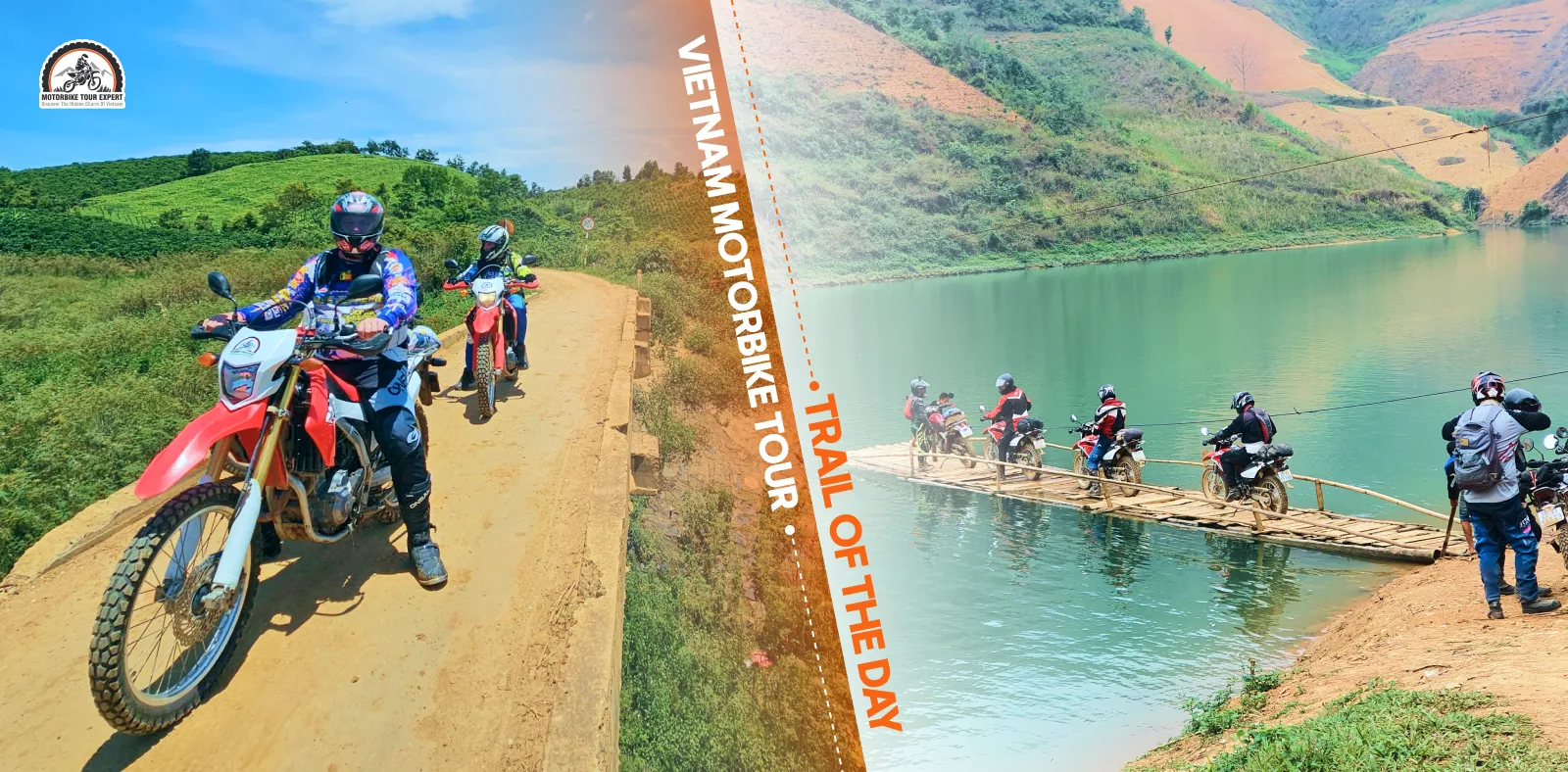

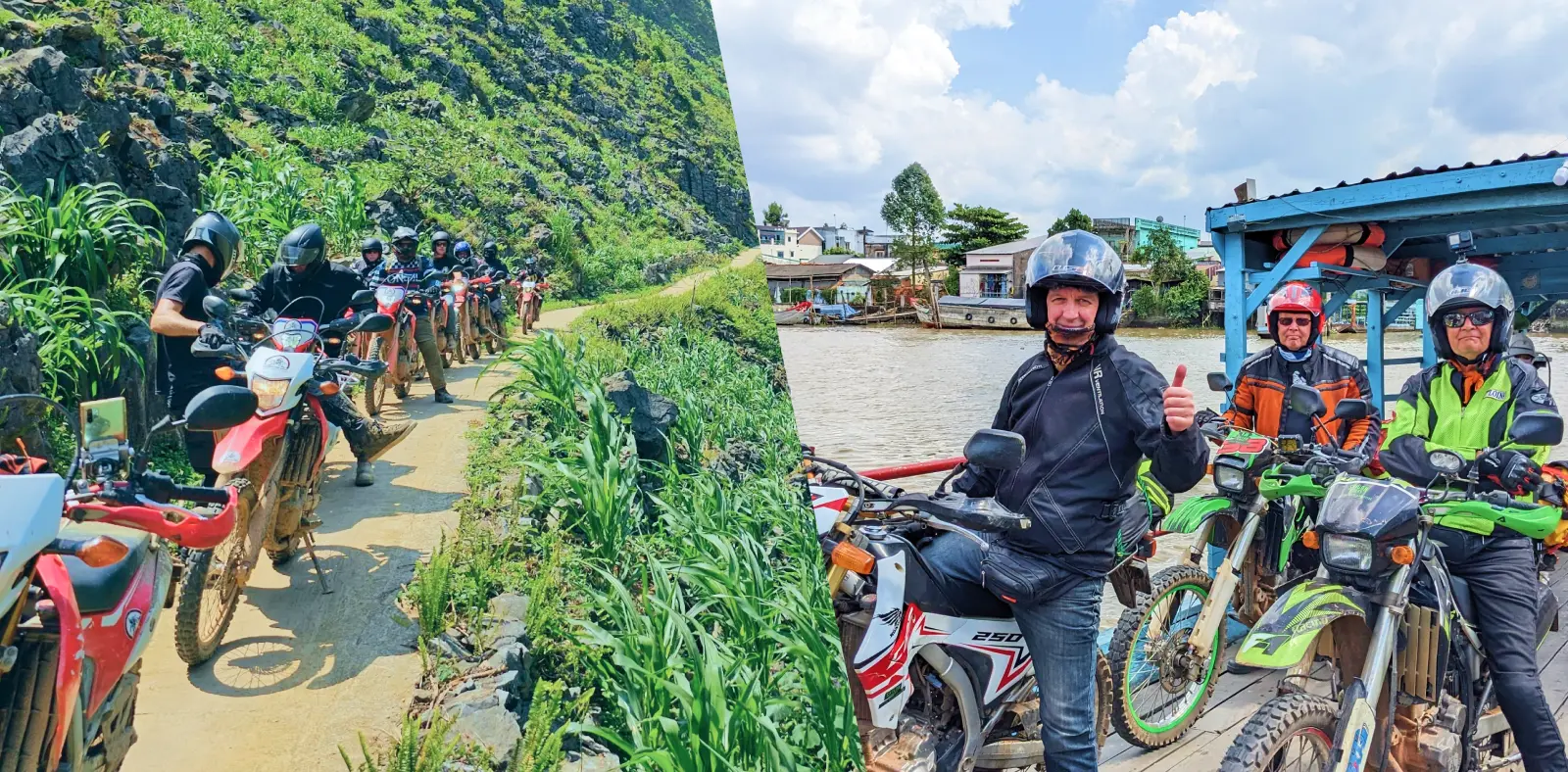

Hoi An food is all about texture, fresh herbs, and slow-evolved recipes that locals are fiercely proud of, from smoky Cao Lầu to crisp Vietnamese pancakes. At Vietnam Motorbike Tour Expert, many riders say their Hoi An food memories stay with them as strongly as any mountain pass or coastal road, which is why this guide focuses on what travelers actually love most, not just what looks good on a brochure.
Below are the essential Hoi An food experiences, based on both local tradition and what international travelers keep recommending to each other on review platforms and social media.
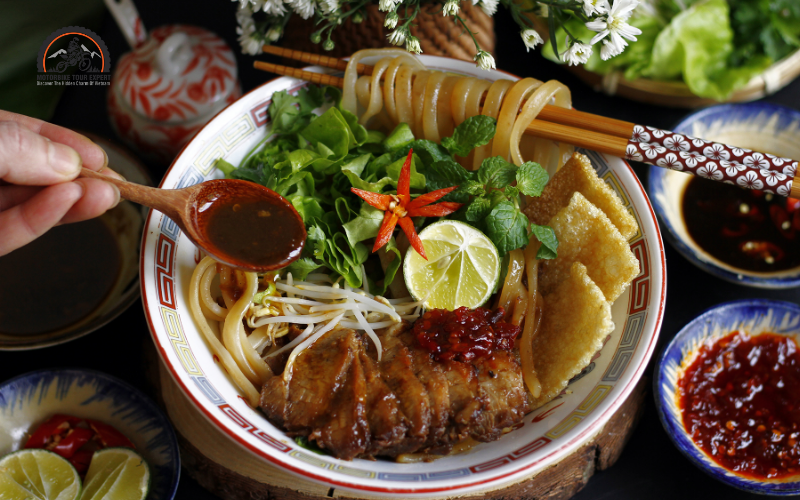
Cao Lầu is the dish most travelers now associate with Hoi An food: thick, chewy rice noodles with char siu-style pork, fresh herbs, and just a spoonful of broth. What surprises many guests is learning that traditional Cao Lầu noodles are made using well water and ash from local wood, which helps explain why the texture feels closer to udon than typical rice noodles.
On motorbike tours, riders often say the first proper bowl of Cao Lầu is when “Hoi An food clicked,” because the dish captures so many local elements in one bowl: greens from nearby farms, pork from the markets, and a recipe that has been guarded by families for generations.
>> READ MORE: 15+ Best Phu Quoc Food Every Traveler Shouldn’t Miss
Hoi An food is frequently called the banh mi capital of Vietnam, thanks to street-side bakeries turning out crisp baguettes layered with pate, herbs, pickles, and grilled or cold meats. Travelers often compare their Hoi An banh mi to sandwiches they tried elsewhere in Vietnam and describe the Hoi An version as “more balanced,” with a lighter baguette and better ratio of fillings.
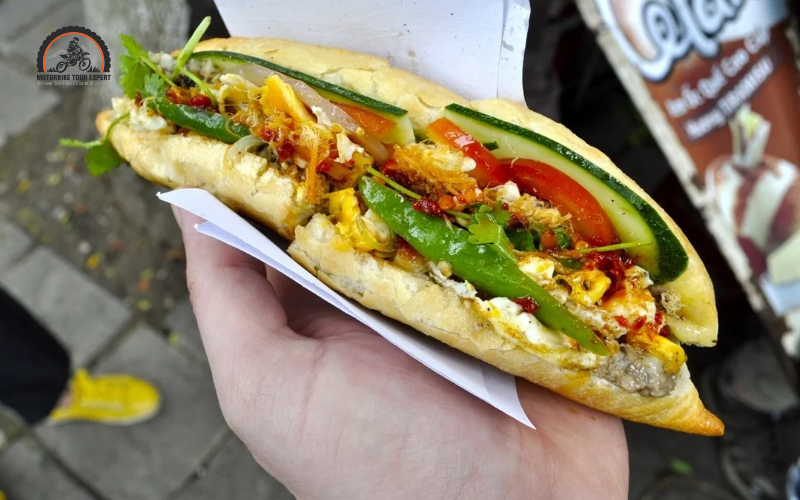
At Vietnam Motorbike Tour Expert, banh mi stops are a practical and beloved part of riding days: it is the easiest Hoi An food to eat on the go, and guests appreciate that a simple sandwich can still feel like a signature local specialty rather than generic street food.
Bánh Xèo in Hoi An food culture is all about contrast: a sizzling rice flour pancake, usually stuffed with shrimp or pork and bean sprouts, then folded, broken apart, and wrapped in herbs and rice paper. Many visitors mention that they first tried bánh xèo on a street-food tour or night market visit, where locals show them how to wrap and dip it properly instead of eating it like a Western pancake.
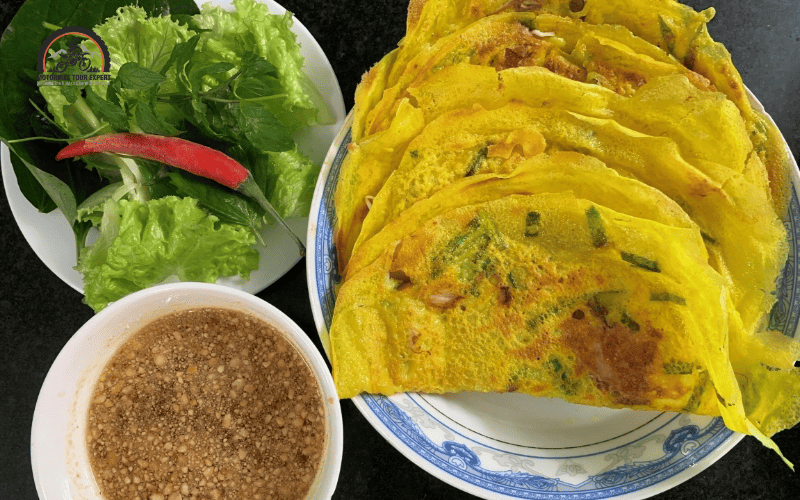
Riders on our tours often describe bánh xèo as the dish that turns them into herb-lovers, because the greenery around the pancake softens the richness and makes the whole Hoi An food experience feel fresher and lighter.
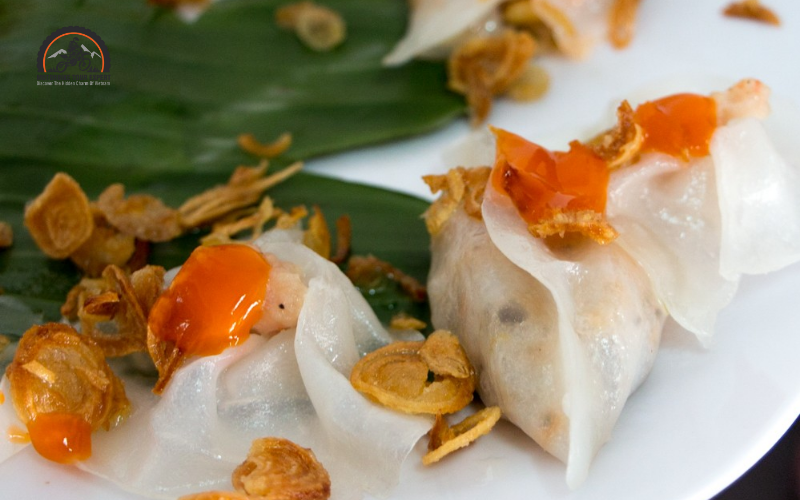
White Rose Dumplings (bánh bao, bánh vạc) are one of the most visually striking Hoi An food specialties, with translucent wrappers shaped like flower petals and filled with minced shrimp or pork. Reviews frequently note that many versions around town trace back to a single family recipe, which adds to the sense that you are eating a true local heirloom, not just a generic dumpling.
Vietnam Motorbike Tour Expert guests often say they remember White Rose Dumplings as the “elegant” side of Hoi An food, especially when served in traditional restaurants that focus on preserving old recipes and presentation.
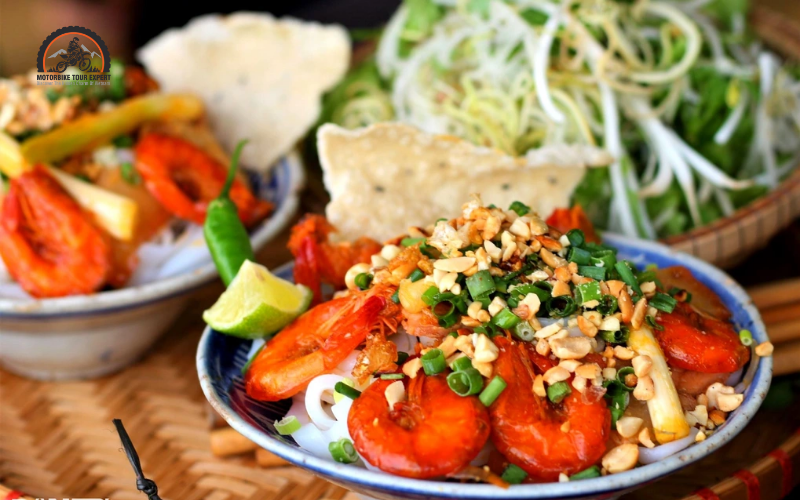
Mì Quảng comes from the wider Quang Nam region, but it is firmly part of the Hoi An food repertoire, with wide rice noodles, a shallow broth, herbs, peanuts, and usually pork, shrimp, or chicken.
On our routes through the countryside and into villages like Kim Bong, seeing rice noodles made by hand gives riders a new appreciation for dishes like Mì Quảng; the same noodles they watched drying in the sun often show up in their lunch bowl a few hours later.
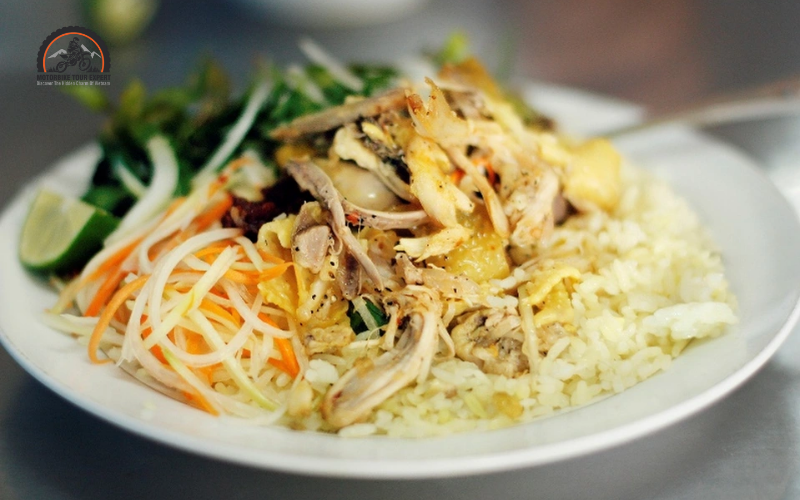
Cơm Gà (Hoi An chicken rice) is a cornerstone of Hoi An food, centered around rice cooked in chicken stock, shredded chicken, herbs, and a light side broth or dipping sauce.
Many travelers compare it to other chicken rice dishes in Southeast Asia and note that the Hoi An version feels lighter, with more emphasis on fresh herbs and acidity.
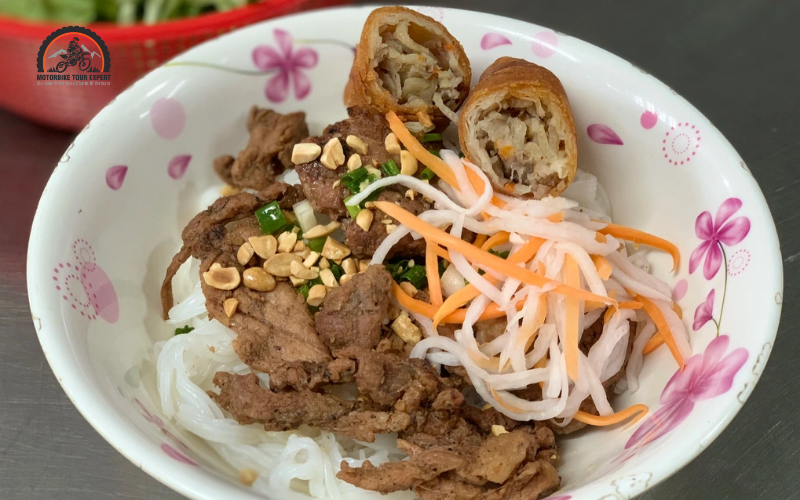
Bún Thịt Nướng is one of the most approachable Hoi An food dishes for first-time visitors: cool rice vermicelli topped with grilled pork, herbs, pickles, and a sweet-sour fish sauce dressing. International travelers frequently praise it in reviews as a “salad that eats like a meal,” especially on hot days when heavy soups feel too intense.
On Vietnam Motorbike Tour Expert rides, many guests end up ordering Bún Thịt Nướng more than once, finding it a reliable way to enjoy grilled meat and fresh vegetables without feeling weighed down before or after a long ride.
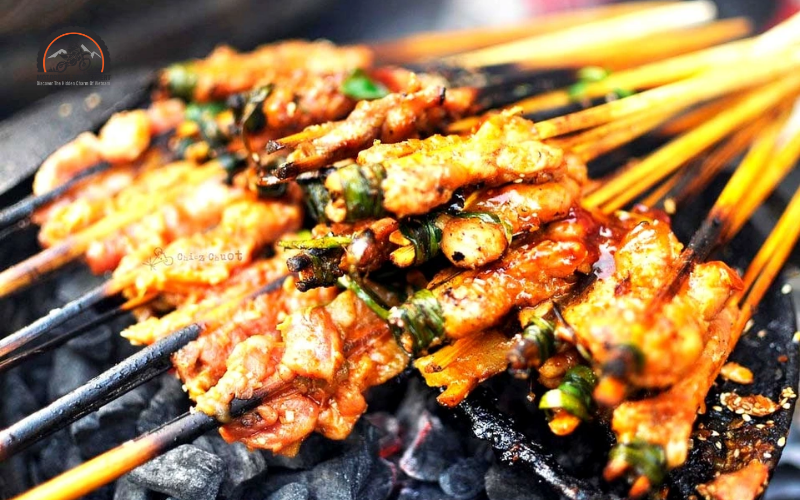
Thịt Xiên Nướng—grilled meat skewers—are a key part of the Hoi An food street scene, often sold from small carts or at the night market. Visitors consistently comment that the aroma of marinated meat over charcoal is what pulls them toward certain stalls, even when they were not planning to eat more.
For Vietnam Motorbike Tour Expert travelers, these skewers often appear as spontaneous snacks between more structured meals, reinforcing how Hoi An food is not limited to sit-down restaurants but lives in quick bites, late-night stalls, and corners of local markets.
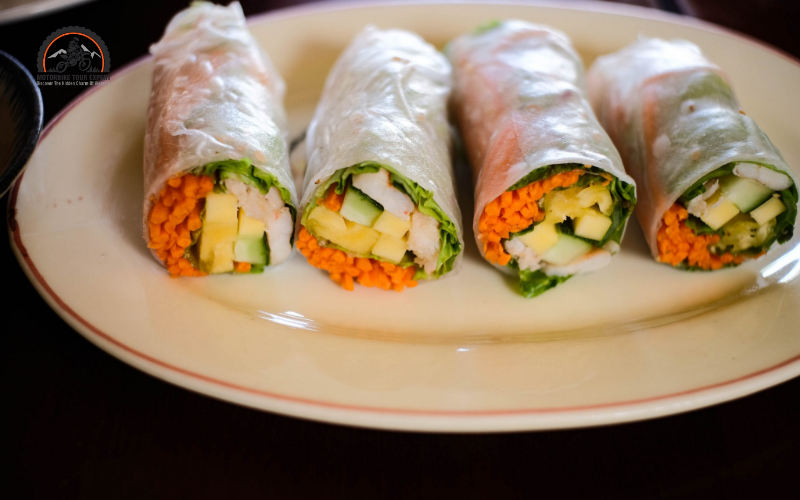
Fresh and fried Vietnamese spring rolls are an easy entry point into Hoi An food for travelers who might be cautious with unfamiliar dishes. Reviews often highlight grilled pork rolls wrapped in rice paper with herbs as particularly satisfying, especially when combined with peanut or fish sauce-based dips.
During food-focused rides or walking breaks, Vietnam Motorbike Tour Expert often sees groups sharing plates of spring rolls as a low-risk way to explore flavors before moving on to deeper cuts of Hoi An food like Cao Lầu or Mì Quảng.
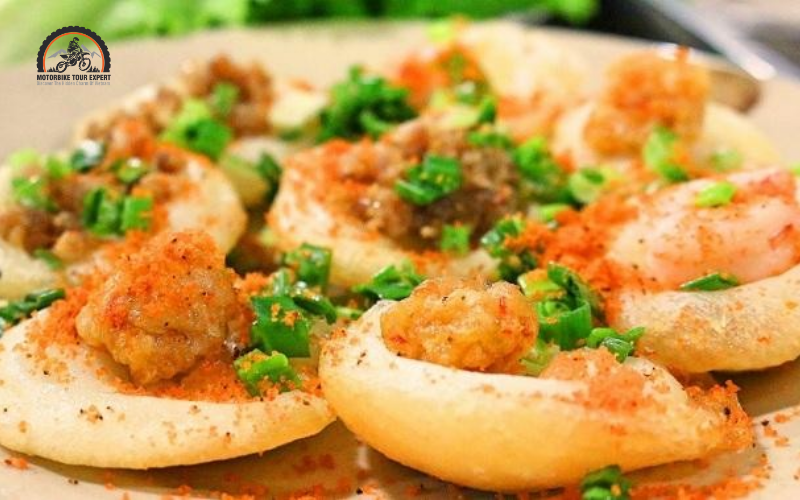
Bánh Khọt Trứng Cút—mini savory rice cakes topped with quail eggs—show up regularly at markets and night stalls and are a fun, bite-sized expression of Hoi An food culture. Many travelers mention that they discover these by accident while wandering the night market and then keep going back for “just one more” plate.
For riders with Vietnam Motorbike Tour Expert, these snacks often become associated with social evenings: shared around a table after a day on the road, they help turn Hoi An food into a communal experience where everyone can taste a bit of everything.
Phở Bò is not unique to Hoi An, but it remains a comfort anchor within the broader Hoi An food landscape, especially for travelers who miss the familiarity of Vietnam’s most famous soup.
Guests often say that trying Phở Bò in Hoi An helps them taste subtle regional shifts—slightly different herbs, broth styles, or accompaniments—compared with bowls in Hanoi or Ho Chi Minh City.
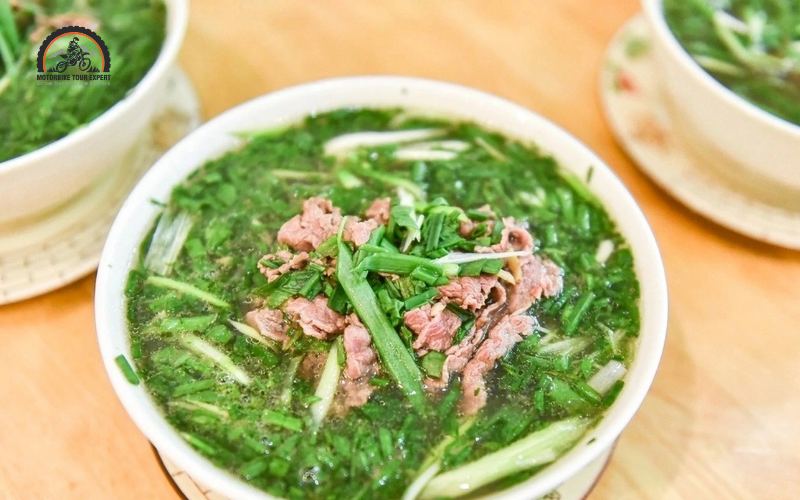
Many travelers admit that the most confusing part is not which Hoi An food to try, but where to find versions that feel authentic rather than purely tourist-focused. The reality on the ground, as echoed in countless reviews, is that some of the best bites are still found at humble stalls and markets, while a few local restaurants and nearby villages offer more relaxed, sit-down experiences.
Street food and markets are at the heart of Hoi An food, and visitors regularly highlight the Central Market and the Night Market as the best places to sample a wide range of dishes in one go.
Reviews describe the Central Market as busy but still authentic, with stalls serving affordable local dishes like Cao Lầu, Mì Quảng, and Cơm Gà that feel “everyday” rather than staged for tourists.
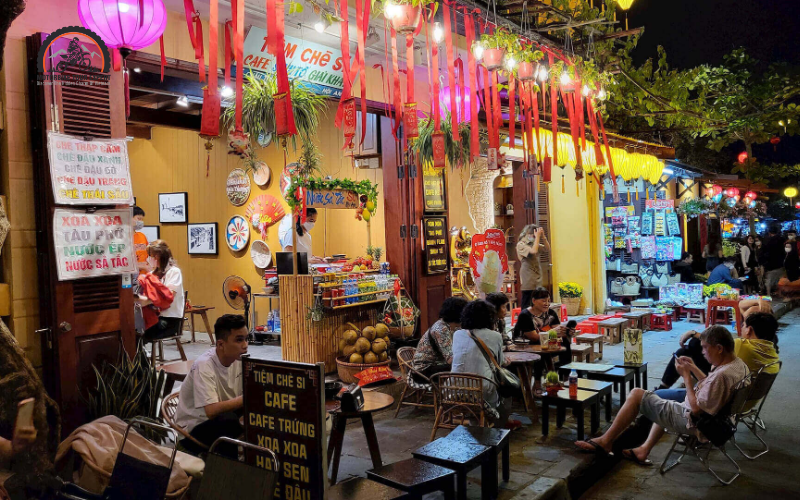
Local restaurants provide a more relaxed setting to explore Hoi An food, and many earn high praise from international visitors for balancing traditional flavors with consistent hygiene and service.
Some venues are particularly well-known for specialties like White Rose Dumplings, wontons, or full Hoi An food tasting menus, and reviews often mention the satisfaction of learning the stories behind each dish from staff.
>> READ MORE: Top 10 Best Restaurants In Ha Giang You Must Try In 2026
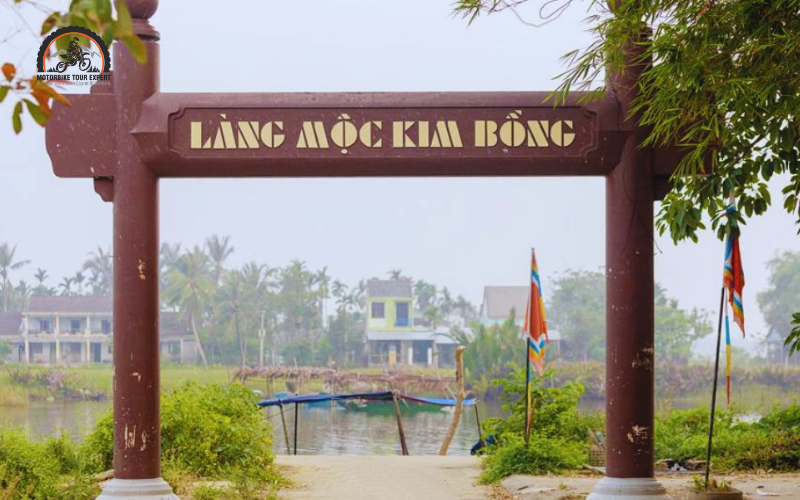
Kim Bong Village, across the river from Hoi An Ancient Town, is primarily known for its carpentry and traditional crafts, but it also connects directly to the noodle-making and everyday food culture behind signature Hoi An food.
Tours to Kim Bong often include demonstrations of rice noodle and rice paper production, allowing visitors to see how local staples like Mì Quảng and fresh rolls begin as steamed sheets spread and dried by hand.
Hoi An food brings together heritage noodles, fresh herbs, rice dishes, and iconic snacks in a way that keeps travelers talking long after they leave Central Vietnam. If Hoi An food is high on your Vietnam wishlist, consider pairing it with a guided ride or tailored itinerary from Vietnam Motorbike Tour Expert so you can reach the best markets, villages, and eateries without the guesswork.
LET'S RIDE WITH US
 Duration:
4 Days/ 3 Nites
Destinations:
Hanoi - Vu Linh - Phu Yen - Moc Chau - Mai Chau - Hanoi.
Tour Level:
Chill Level Tours
Duration:
4 Days/ 3 Nites
Destinations:
Hanoi - Vu Linh - Phu Yen - Moc Chau - Mai Chau - Hanoi.
Tour Level:
Chill Level Tours
 Duration:
11 Days / 10 Nites
Destinations:
Hanoi - Hoi An.
Tour Level:
Chill Level Tours
Duration:
11 Days / 10 Nites
Destinations:
Hanoi - Hoi An.
Tour Level:
Chill Level Tours
 Duration:
4 Days / 3 Nites
Destinations:
Hanoi - Vu Linh
Tour Level:
Chill Level Tours
Duration:
4 Days / 3 Nites
Destinations:
Hanoi - Vu Linh
Tour Level:
Chill Level Tours
 Duration:
6 Days/ 5 Nites
Destinations:
Hanoi - Thac Ba lake
Tour Level:
Chill Level Tours
Duration:
6 Days/ 5 Nites
Destinations:
Hanoi - Thac Ba lake
Tour Level:
Chill Level Tours
 Duration:
7 Days / 6 Nites
Destinations:
Hanoi - Sapa
Tour Level:
Chill Level Tours
Duration:
7 Days / 6 Nites
Destinations:
Hanoi - Sapa
Tour Level:
Chill Level Tours
 Duration:
7 Days/ 6 Nights
Destinations:
Hanoi - Moc Chau - Sapa
Tour Level:
Chill Level Tours
Duration:
7 Days/ 6 Nights
Destinations:
Hanoi - Moc Chau - Sapa
Tour Level:
Chill Level Tours
 Duration:
15 Days/ 14 Nites
Destinations:
Hanoi - Ha Long bay
Tour Level:
Chill Level Tours
Duration:
15 Days/ 14 Nites
Destinations:
Hanoi - Ha Long bay
Tour Level:
Chill Level Tours
 Duration:
4 Days/ 3 Nites
Destinations:
Hanoi - Thac Ba lake
Tour Level:
Chill Level Tours
Duration:
4 Days/ 3 Nites
Destinations:
Hanoi - Thac Ba lake
Tour Level:
Chill Level Tours
4-Day Northern Vietnam Motorbike Tour From Hanoi
 Duration:
4 Days/ 3 Nites
Duration:
4 Days/ 3 Nites
 Tour Level:
Chill Level Tours - Moderate Level Tours
Tour Level:
Chill Level Tours - Moderate Level Tours
Experience the authentic Vietnam
Ride off the beaten track
Visit beautiful Thac Ba Lake
Interact with lovely local people
Riding some scenic offroad tracks
Enjoy a variety of local foods
11-Day Top Vietnam Motorbike Tour
Duration:
11 Days / 10 Nites
Tour Level:
Chill Level Tours - Moderate Level Tours
Discover the legendary Ho Chi Minh trail
Learn a lot about Vietnam war history
Ride off the beaten track
Experience the authentic Vietnam
Interact with lovely local people
Ride some beautiful coastlines
4-Day Short North Vietnam Motorbike Tour
Duration:
4 Days / 3 Nites
Tour Level:
Chill Level Tours - Moderate Level Tours
Experience the authentic Vietnam
Interact with lovely local people
Visit beautiful Thac Ba lake
Ride off the beaten track
Enjoy a variety of local foods
Ride some scenic offroad tracks
6-Day Northwest Loop Motorbike Tour Vietnam
Duration:
6 Days/ 5 Nites
Tour Level:
Chill Level Tours - Moderate Level Tours
Experience the authentic Vietnam
Explore the hidden gems in Northwest
Visit beautiful Sapa
Ride off the beaten track
Enjoy great local food
Interact with lovely local people
7-Day Motorbike Tour In North Vietnam
Duration:
7 Days / 6 Nites
Tour Level:
Chill Level Tours - Moderate Level Tours
Experience authentic Vietnam
Interact with lovely local people
Ride off the beaten path
Visit all the "Must-See" in North
Enjoy scenic off-road trails
Learn about Vietnamese culture
7-Day Amazing Motorbike Tour To The Hidden Lands Vietnam
Duration:
7 Days/ 6 Nights
Tour Level:
Chill Level Tours - Moderate Level Tours
Discover hidden charms of Northwest Vietnam
Ride fun offroad
Experience the authentic Vietnam
Experience beautiful Sapa
Interact with lovely local people
Ride off the beaten track
Hanoi Street Food Tour
Duration:
15 Days/ 14 Nites
Tour Level:
Experience the authentic Vietnam
Explore beautiful nature in North Vietnam
Interact with lovely local people
Ride scenic offroad trails
Ride off the beaten track
Visit Natural Heritage Ha Long Bay
4-Day Northwest Vietnam Motorbike Tour
Duration:
4 Days/ 3 Nites
Tour Level:
Chill Level Tours - Moderate Level Tours
Experience the authentic Vietnam
Visit beautiful Thac Ba lake
Interact with lovely local people
See the quiet countryside Vietnam
Ride off the beaten track E
Enjoy great local food