Your message has been sent. Thank you!
 Your message has been sent. Thank you!
I'm ready to book
Hmm, I still need more information
My information
Detailed information
From $ USD
Ho Chi Minh Trail Motorcycle Tour – 12 Days

Duration:
12 Days/ 11 Nites

Destinations:
Hanoi - Nha Trang

Tour Level:
More offroad (>40%)

Highlight:
Destination:
Ha Noi
Mai Chau
Tan Ky
Phong Nha
Ke Bang National park
Khe Sanh
Vinh Moc tunnels
Hue
Da Nang
Hoi An
Kon Tum
Buon Me Thuat
Lak Lake
Nha Trang
Pickup from:
Hanoi, Airport or any hotel in Ha Noi city
Suitable Bikes:
Honda XR150L, Honda CRF300L,


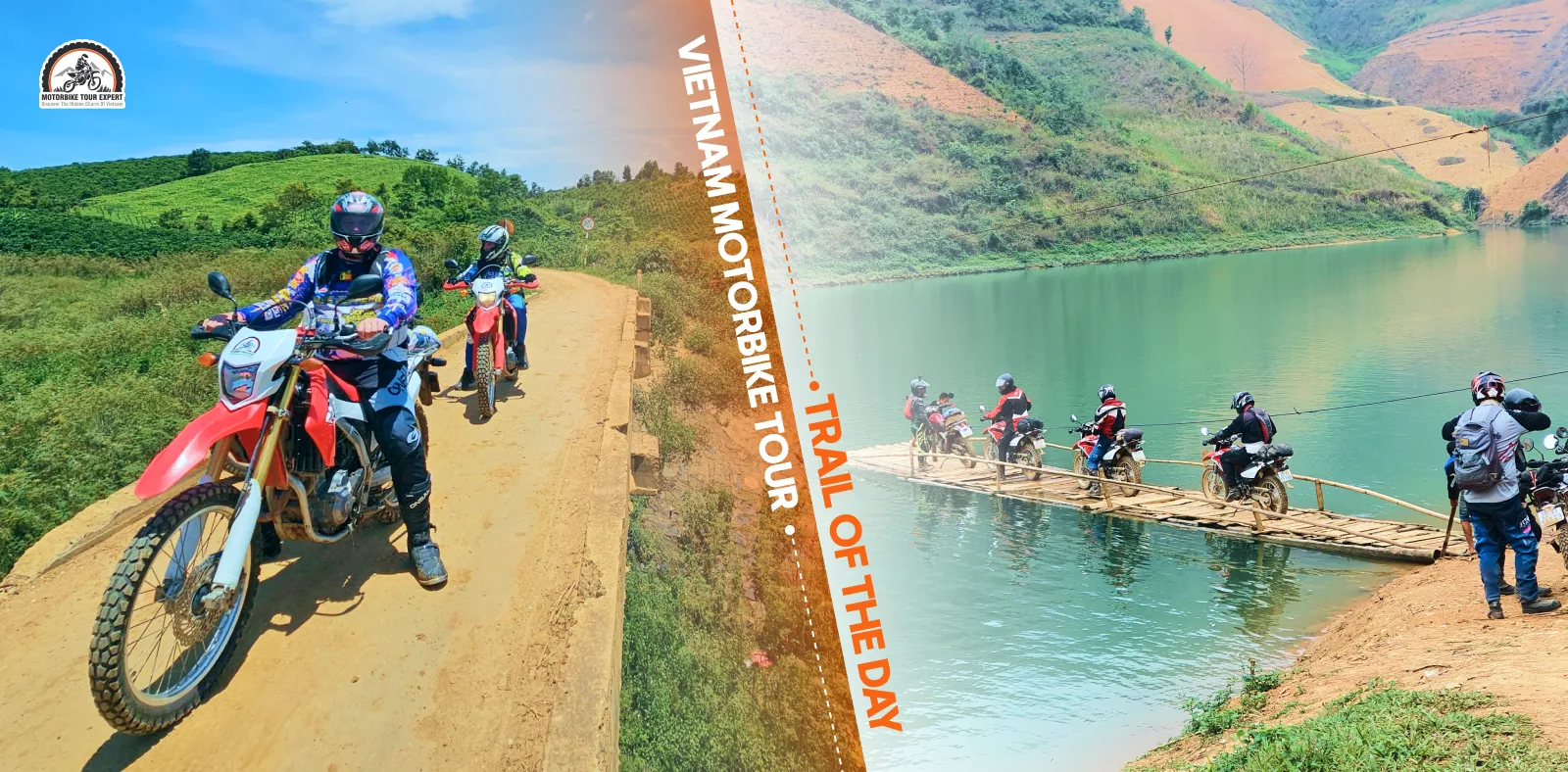
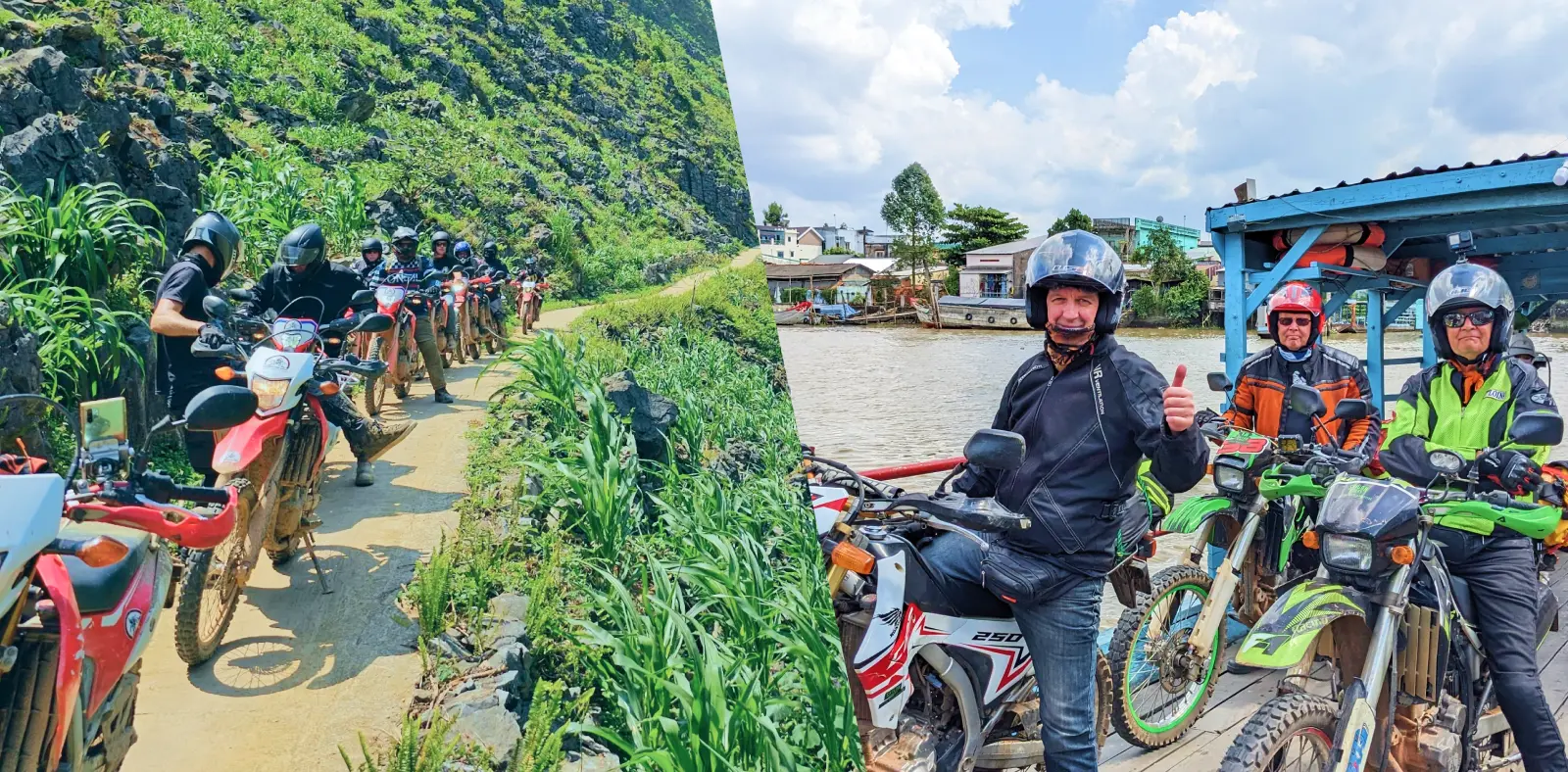

A Northern Vietnam motorbike trip can take you from lowland roads to mountain passes, with sudden changes in weather along the way. The right essentials help you stay comfortable, handle unexpected conditions, and keep your luggage light and secure throughout the ride. Let’s look at what to bring on a motorbike tour and what to prepare when riding independently.
Whether you join a motorbike tour or ride independently, the checklist below covers the essentials you’ll need for a safe and comfortable trip, with a few extras to consider when you’re handling everything yourself.
When booking a guided motorbike tour, major logistics, riding equipment, meals, accommodation, permits, and on-road mechanical support are taken care of. This means you can travel with less luggage and focus on enjoying Northern Vietnam without having to handle the practical challenges of riding through remote mountain areas yourself.

What’s fully included in the tour
|
Note: This checklist is based on what Motorbike Tour Expert includes in its tours. If you’re booking with another operator, check the tour details beforehand to see what’s included and what you’ll need to arrange yourself. |
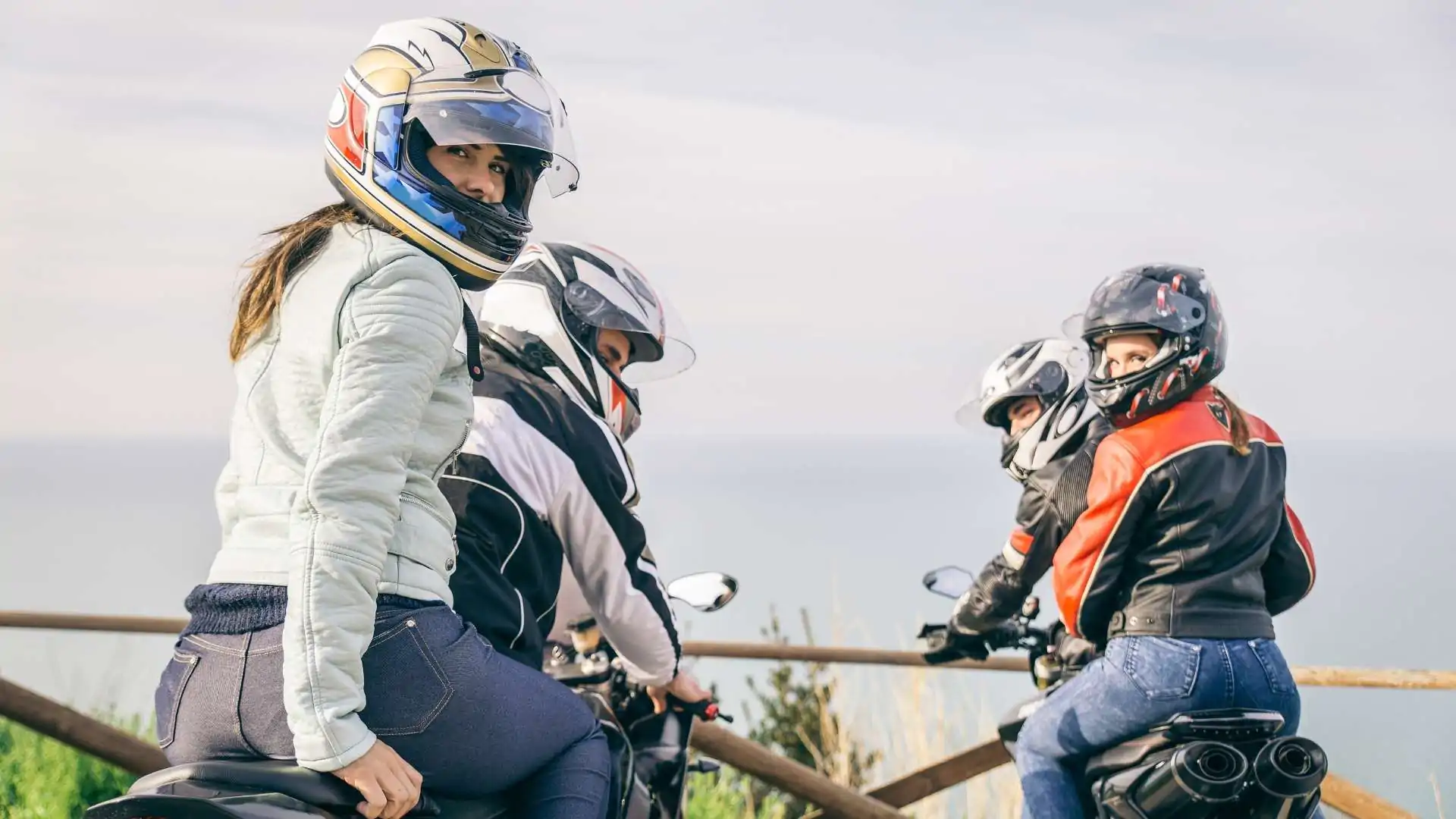
What you still need to pack
Since the tour takes care of the main riding gear and logistics, you only need to bring a few personal essentials:
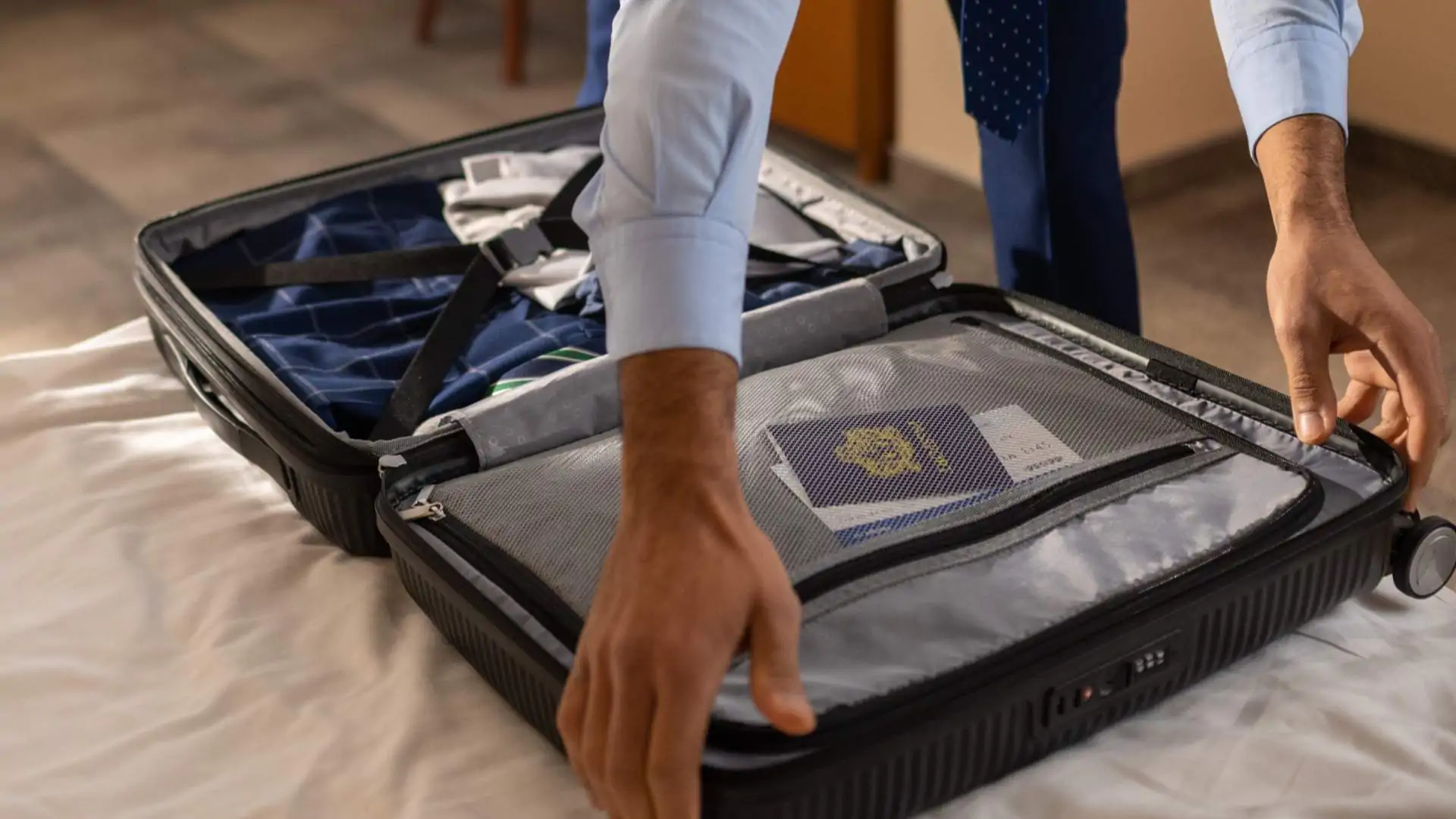
With the essentials taken care of, you can travel lighter, spend less time arranging permits, fixing unexpected bike issues, or carrying unnecessary gear, and more time enjoying the roads, scenery, and local experiences of Northern Vietnam. If you’re looking for a more convenient way to explore the region, Motorbike Tour Expert can help you plan your route and take care of the key arrangements along the way.
Choosing to ride independently gives you total schedule freedom, but you also take responsibility for the arrangements normally handled by a guided tour. In addition to the personal items listed in Section 1.1, you’ll need to arrange the following yourself:
|
Our advice: If this is your first time riding in Northern Vietnam and you are not comfortable handling the motorcycle, permits, route planning, or unexpected mechanical issues yourself, consider joining a guided motorbike tour for a simpler trip with on-road support. |
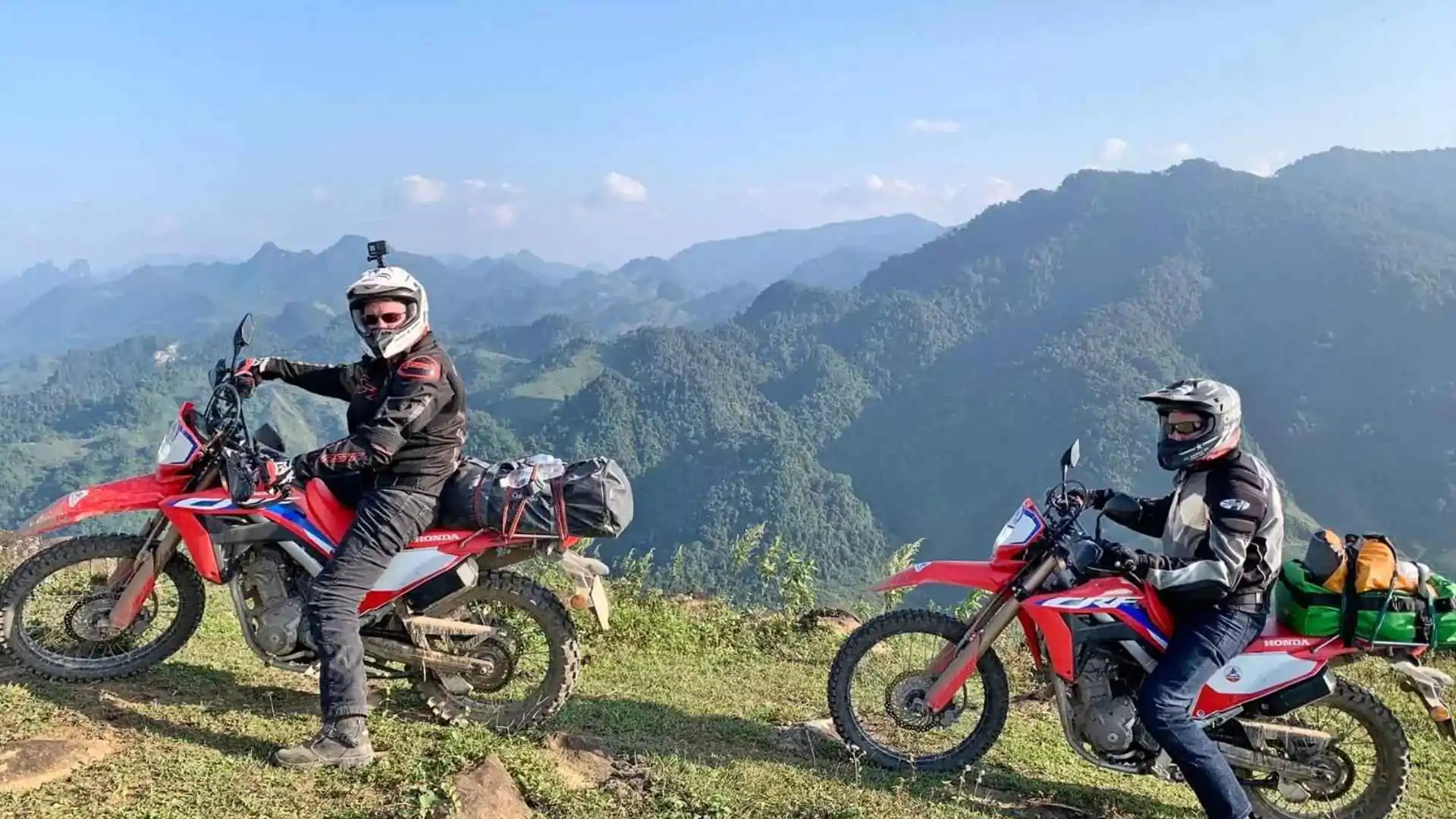
When joining a guided motorbike tour in Northern Vietnam, major logistics, riding equipment, and support vehicles are taken care of. However, packing smartly and efficiently ensures a hassle-free journey across changing mountain climates and terrain.
Essential packing strategies & tips
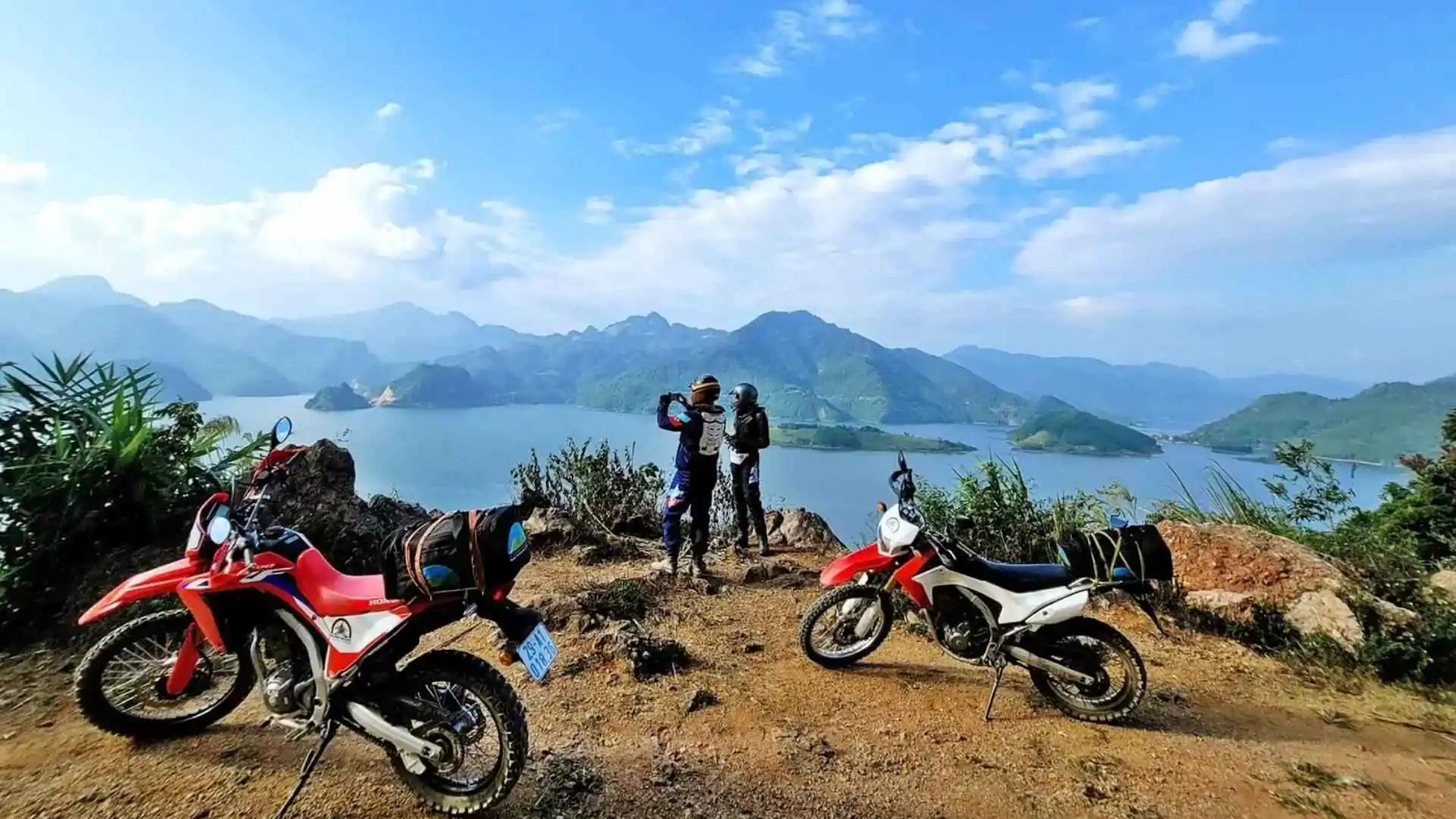
Tour preparation notes & final checklist
Preparing for a North Vietnam motorbike adventure comes down to understanding your travel style and packing accordingly. Ultimately, staying light, organized, and properly equipped lets you focus on the breathtaking scenery and rich culture of the region. If you want a seamless experience, Motorbike Tour Expert is ready to help you map out your ideal route and handle all the essential arrangements for an unforgettable journey.
LET'S RIDE WITH US
 Duration:
4 Days/ 3 Nites
Destinations:
Hanoi - Vu Linh - Phu Yen - Moc Chau - Mai Chau - Hanoi.
Tour Level:
Chill Level Tours
Duration:
4 Days/ 3 Nites
Destinations:
Hanoi - Vu Linh - Phu Yen - Moc Chau - Mai Chau - Hanoi.
Tour Level:
Chill Level Tours
 Duration:
9 Days / 8 Nites
Destinations:
Hanoi - Hanoi
Tour Level:
Chill Level Tours
Duration:
9 Days / 8 Nites
Destinations:
Hanoi - Hanoi
Tour Level:
Chill Level Tours
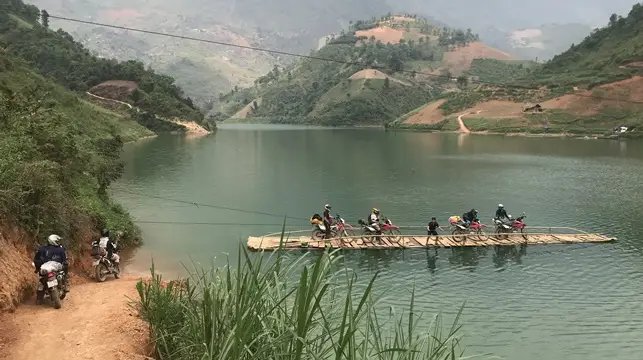 Duration:
8 Days/ 7 Nites
Destinations:
Hanoi - Ba Be lake
Tour Level:
Chill Level Tours
Duration:
8 Days/ 7 Nites
Destinations:
Hanoi - Ba Be lake
Tour Level:
Chill Level Tours
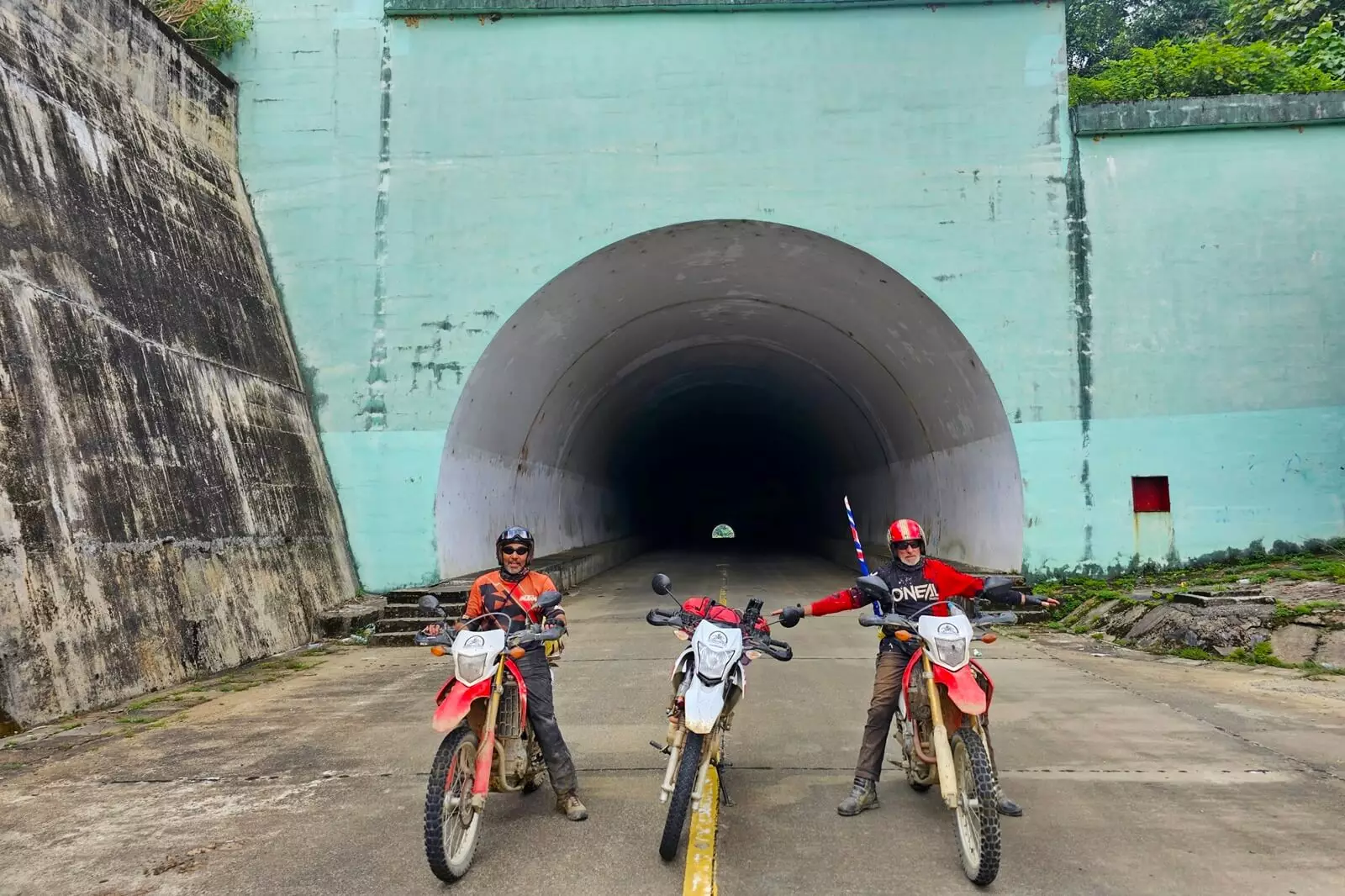 Duration:
23 Days/22 Nights
Destinations:
Saigon - Hanoi
Tour Level:
Chill Level Tours
Duration:
23 Days/22 Nights
Destinations:
Saigon - Hanoi
Tour Level:
Chill Level Tours
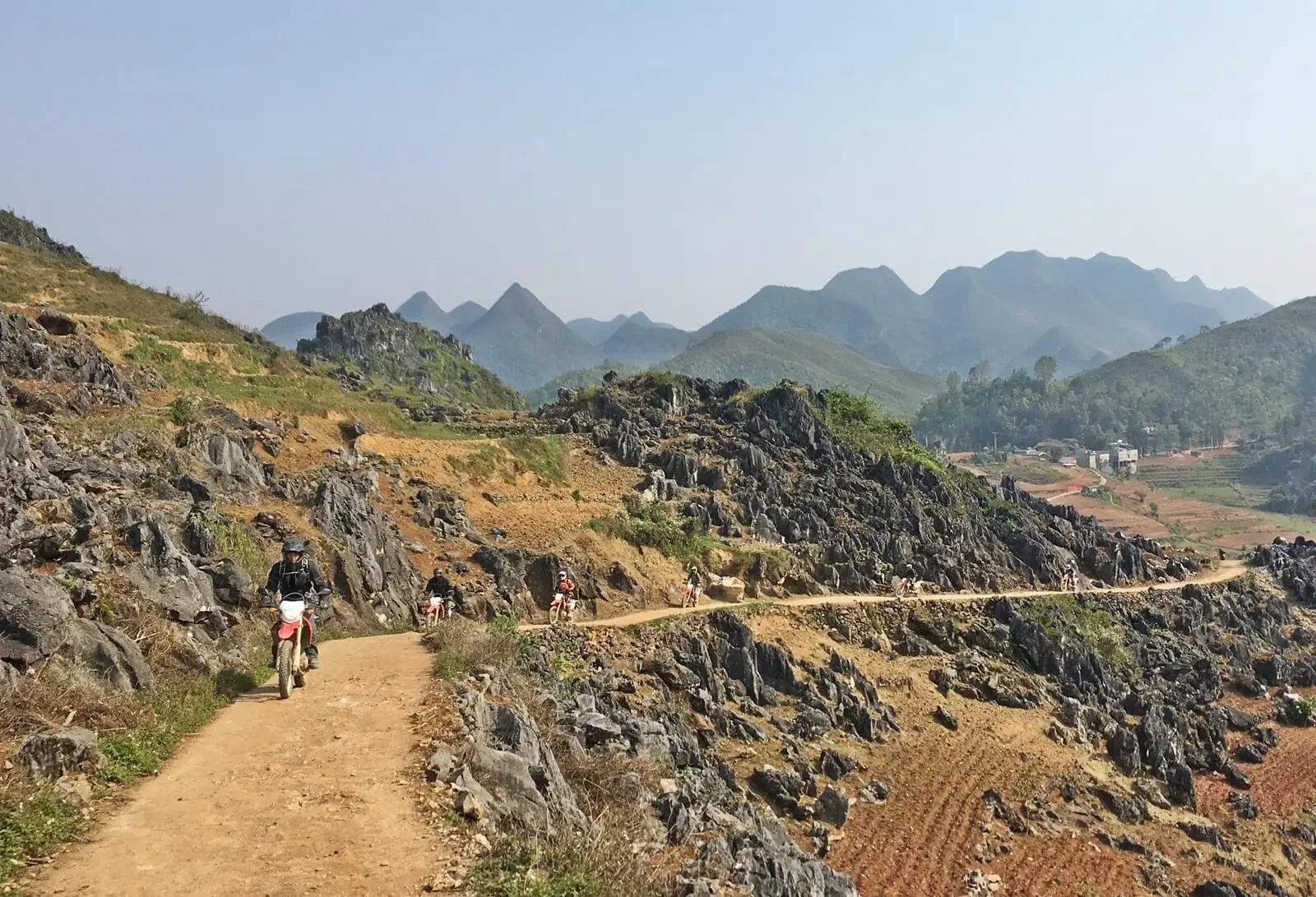 Duration:
6 Days/ 5 Nights
Destinations:
Hanoi - Ha Giang
Tour Level:
Chill Level Tours
Duration:
6 Days/ 5 Nights
Destinations:
Hanoi - Ha Giang
Tour Level:
Chill Level Tours
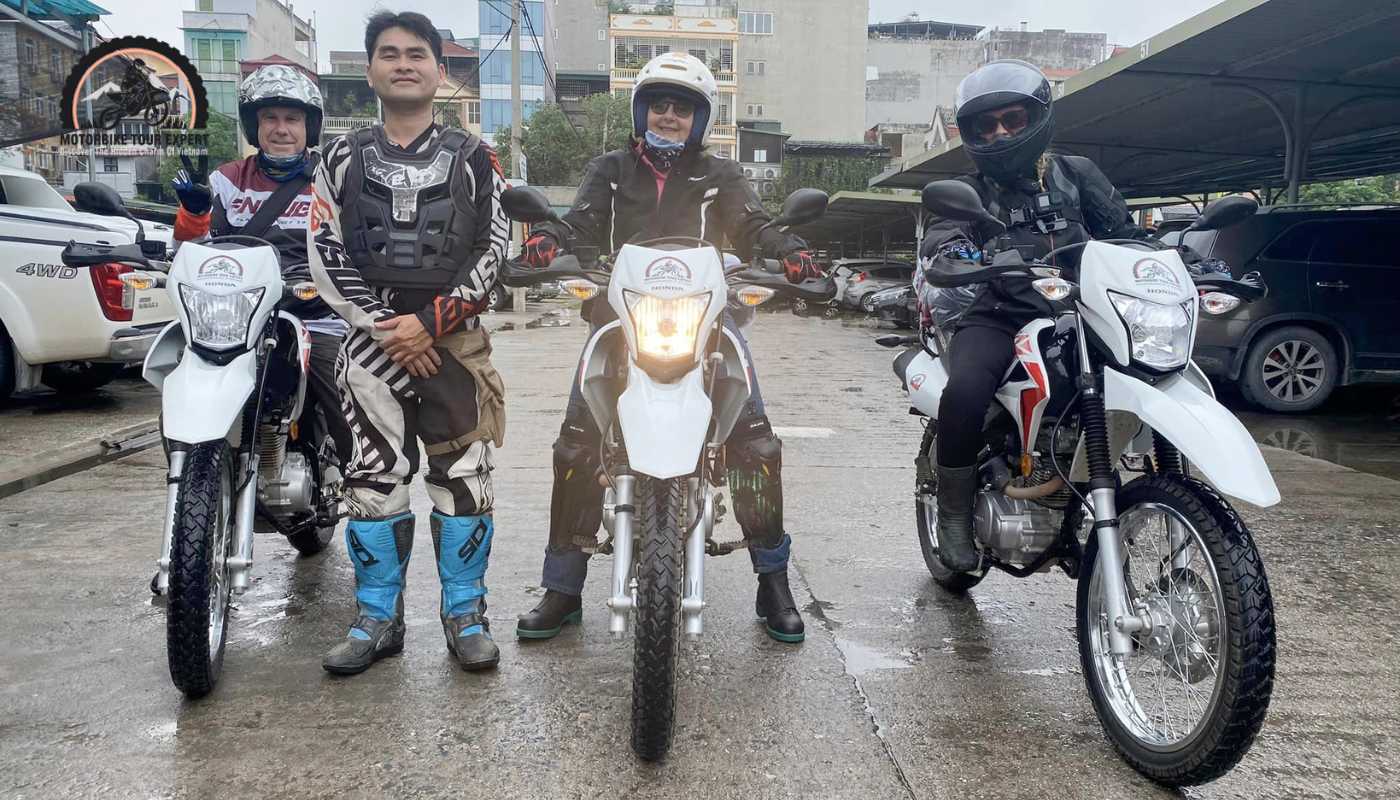 Duration:
Day Trip
Destinations:
Hanoi
Tour Level:
Chill Level Tours
Duration:
Day Trip
Destinations:
Hanoi
Tour Level:
Chill Level Tours
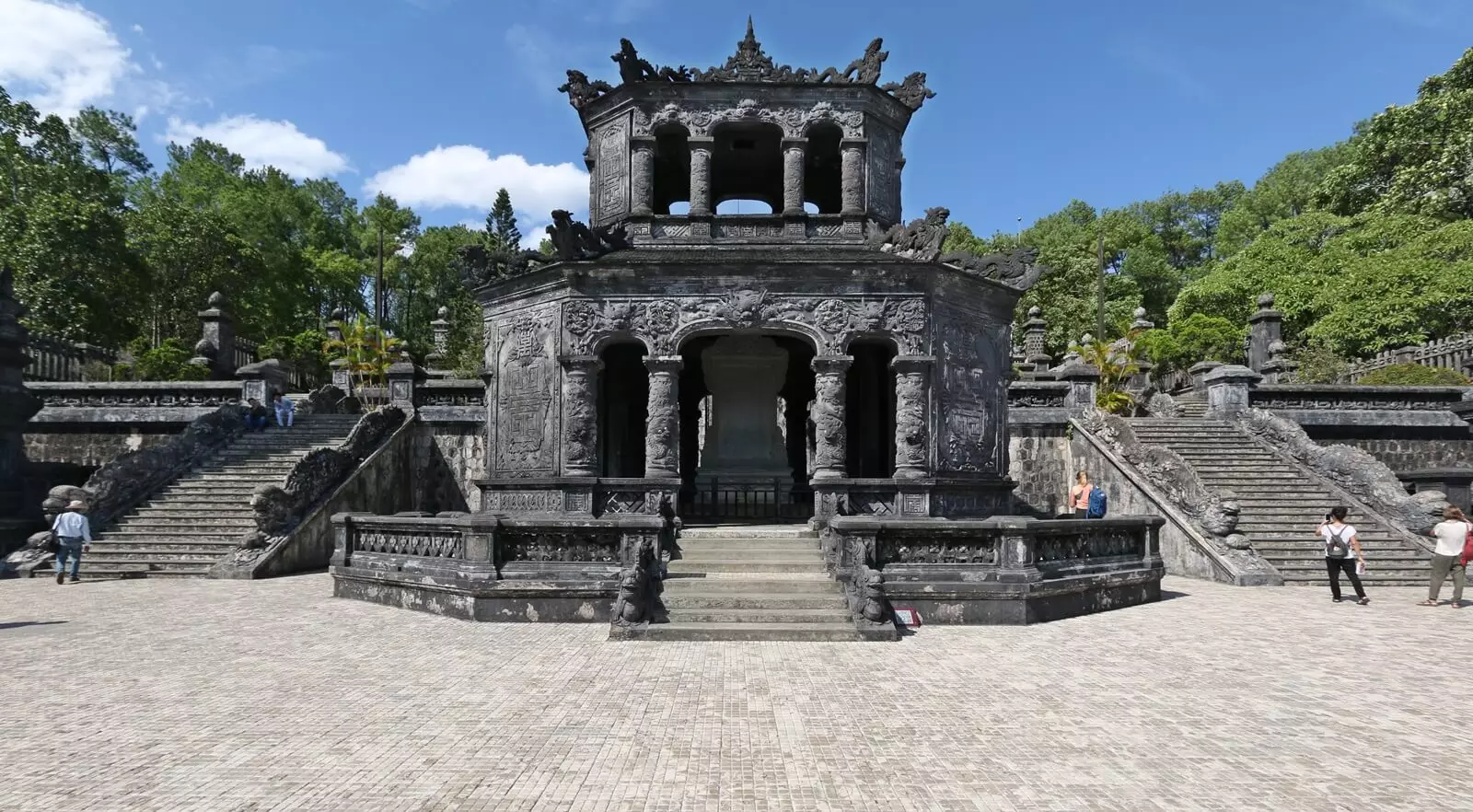 Duration:
3 Days / 2 Nites
Destinations:
Hue - Hai Van Pass - Hoi An - Dong Giang - Hue
Tour Level:
Chill Level Tours
Duration:
3 Days / 2 Nites
Destinations:
Hue - Hai Van Pass - Hoi An - Dong Giang - Hue
Tour Level:
Chill Level Tours
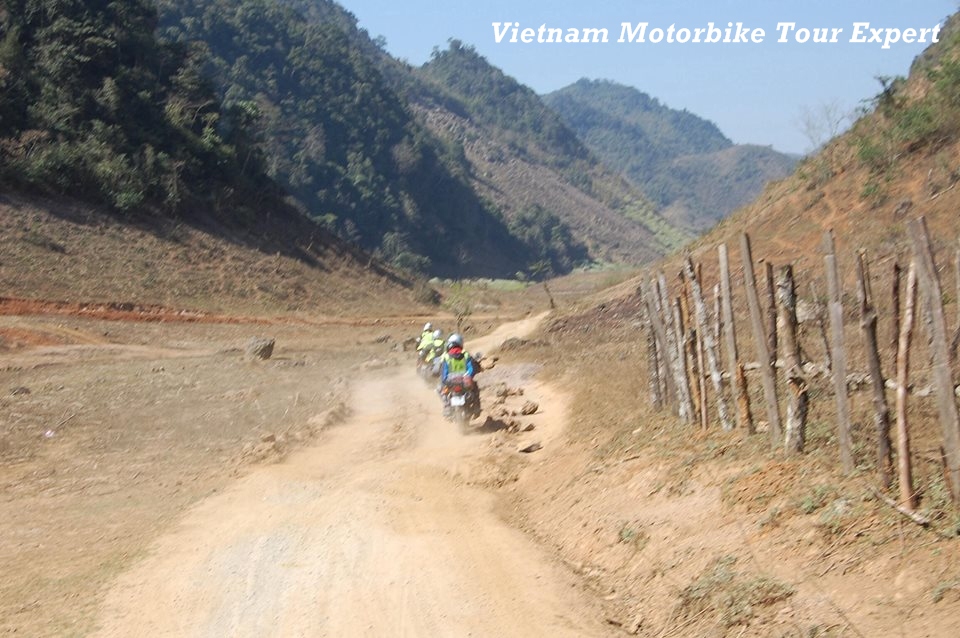 Duration:
7 Days/ 6 Nites
Destinations:
Hoi An - Mai Chau
Tour Level:
Chill Level Tours
Duration:
7 Days/ 6 Nites
Destinations:
Hoi An - Mai Chau
Tour Level:
Chill Level Tours
4-Day Northern Vietnam Motorbike Tour From Hanoi
 Duration:
4 Days/ 3 Nites
Duration:
4 Days/ 3 Nites
 Tour Level:
Chill Level Tours - Moderate Level Tours
Tour Level:
Chill Level Tours - Moderate Level Tours
Experience the authentic Vietnam
Ride off the beaten track
Visit beautiful Thac Ba Lake
Interact with lovely local people
Riding some scenic offroad tracks
Enjoy a variety of local foods
9-Day Northwest Loop – Vietnam Motorcycle Tour
Duration:
9 Days / 8 Nites
Tour Level:
Chill Level Tours - Moderate Level Tours
Visit all the "must see" of Northwest Vietnam
Ride off the beaten track
Experience the authentic Vietnam
Ride beautiful offroad tracks
Interact with lovely local people
Visit the historical Dien Bien Phu
8-Day Vietnam Motorbike Tour to Sapa and Ha Giang
Duration:
8 Days/ 7 Nites
Tour Level:
Challenging Level Tours - Moderate Level Tours
Explore the Real Vietnam
Interact with lovely local people
Ride off the beaten track
See amazing nature in North Vietnam
Scenic offroad tracks
Discover a variety of local culture
23-Day Top Gear Tour Through Vietnam
Duration:
23 Days/22 Nights
Tour Level:
Challenging Level Tours - Moderate Level Tours
Experience the authentic Vietnam
Visit all the most beautiful places in Vietnam
Interact with lovely local people
Ride scenic offroad trails & coastlines
Enjoy a variety of local foods
Ride off the beaten track
6-Day Offroad Motorbike Tour to Northeast Vietnam
Duration:
6 Days/ 5 Nights
Tour Level:
Challenging Level Tours - Moderate Level Tours
Ride beautiful Ha Giang loop
Interact with lovely local people
Experience authentic Vietnam
Enjoy scenic off-road trails
Ride off the beaten path
Visit all the "Must-See" in North Vietnam
Hanoi Motorbike Tours
Duration:
Day Trip
Tour Level:
- Off the beaten track
- Motobike tour with local driver
- Meeting more friend long life
- Try Vietnam cuisine
- Meditation/ swimming on waterfall
- Family Dinner and more
3-Day Central Vietnam Motorbike Tour from Hue
Duration:
3 Days / 2 Nites
Tour Level:
Chill Level Tours
Experience authentic Vietnam
Ride off the beaten path
Enjoy scenic off-road trails
Ride historical Ho Chi Minh trail
Interact with lovely local people
Discover the hidden charm of Hue
7-Day Motorbike Tour on Ho Chi Minh Trail from Hoi An
Duration:
7 Days/ 6 Nites
Tour Level:
Experience the authentic Vietnam
Explore the Ho Chi Minh trail
Ride off the beaten track
Interact with lovely local people
Beautiful Coastlines
Enjoy a variety of local foods