Your message has been sent. Thank you!
 Your message has been sent. Thank you!
I'm ready to book
Hmm, I still need more information
My information
Detailed information
From $ USD
Ho Chi Minh Trail Motorcycle Tour – 12 Days

Duration:
12 Days/ 11 Nites

Destinations:
Hanoi - Nha Trang

Tour Level:
More offroad (>40%)

Highlight:
Destination:
Ha Noi
Mai Chau
Tan Ky
Phong Nha
Ke Bang National park
Khe Sanh
Vinh Moc tunnels
Hue
Da Nang
Hoi An
Kon Tum
Buon Me Thuat
Lak Lake
Nha Trang
Pickup from:
Hanoi, Airport or any hotel in Ha Noi city
Suitable Bikes:
Honda XR150L, Honda CRF300L,



Vietnamese Reunification Day, celebrated on April 30, marks the end of the Vietnam War and the nation’s unification in 1975. This day symbolizes Vietnam’s hard-won peace, independence, and national pride, observed with nationwide festivities. To find out more, read the article below from Vietnam Motorbike Tour Expert.
Vietnamese Reunification Day commemorates the capture of Saigon (now Ho Chi Minh City) by the People’s Army of Vietnam and the Liberation Army of South Vietnam on April 30, 1975, an event that ended the Vietnam War. This pivotal moment initiated the transitional period toward formal reunification. The country was officially unified as the Socialist Republic of Vietnam on July 2, 1976.
The holiday is known by several names, reflecting its historical importance, including Victory Day (Ngày Chiến thắng) and Liberation Day (Ngày Giải phóng). Its official title is the Day of the Liberation of the South and National Reunification (Ngày giải phóng miền Nam, thống nhất đất nước). It stands as one of the nation’s most significant public holidays, symbolizing unity, resilience, and peace.
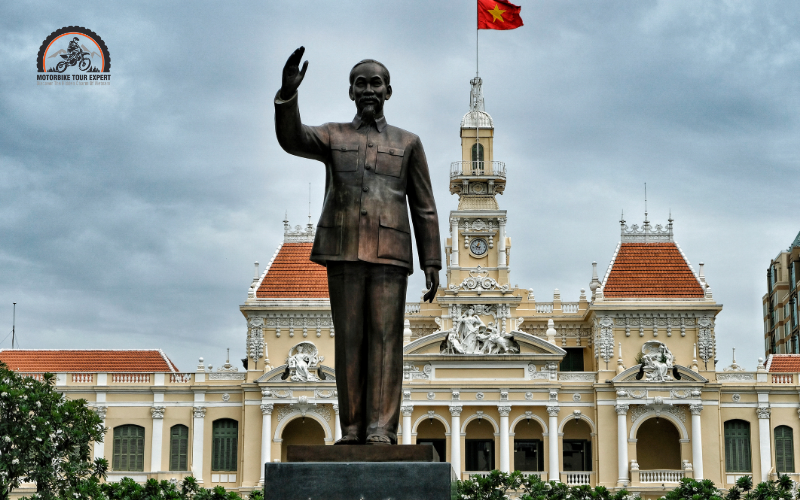
Reunification Day is a national public holiday observed annually on April 30. On this day, government offices, banks, local businesses, and schools across the country are closed. The date often falls close to International Labor Day on May 1, which is also a public holiday in Vietnam. This typically creates a long weekend, allowing many people to travel, return to their hometowns, or participate in the extended celebrations. Should April 30 fall on a Saturday or Sunday, the government may declare the following Monday a public holiday to ensure workers still receive a day off.
>>Read more: Tet – The Vietnamese New Year Festival
Reunification Day is a profoundly significant event in Vietnam, representing a “golden milestone” in the nation’s history. Its core importance lies in marking the definitive end of the decades-long Vietnam War and the beginning of an era of peace, independence, and national development. The day serves as a powerful symbol of national unity, resilience, and the sacrifices made by the Vietnamese people throughout the conflict.
The event is seen as the culmination of a long struggle for national self-determination against foreign involvement, fulfilling the long-held aspiration of a unified country. While it is a day of great pride and celebration, for many, it is also a time for solemn reflection on the immense hardships, loss, and division caused by the war. It honors the memory of those who sacrificed for the nation’s reunification and serves as a reminder of the value of peace.
The end of the war on April 30, 1975, set in motion a profound political transformation. The leadership in Hanoi began consolidating political authority across the entire nation, establishing a unified government under the leadership of the Communist Party of Vietnam. This process culminated in the official founding of the Socialist Republic of Vietnam on July 2, 1976.
A central policy in the post-war era was national harmony and reconciliation. The state’s official stance was to “close the past, respect differences, and look to the future” to help heal the wounds of war and foster a sense of unity among all Vietnamese people, regardless of their past allegiances. The first decade after reunification was fraught with difficulties, including severe economic crises, international embargoes, and border conflicts, which posed significant challenges to the new government.
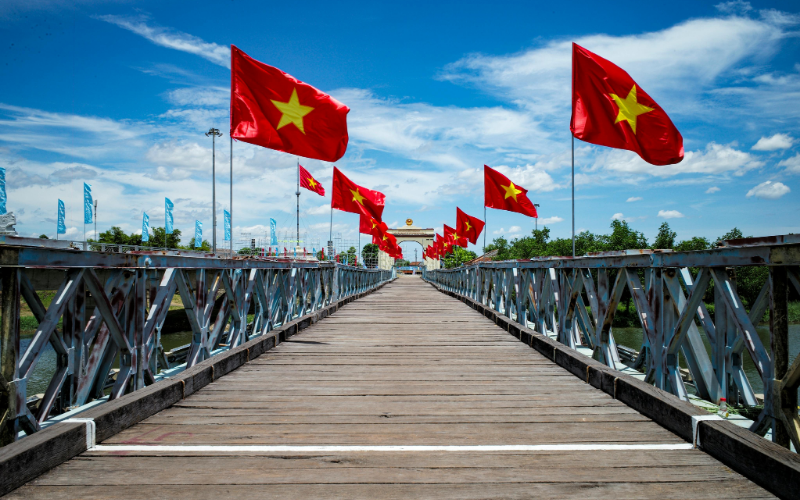
The reunification brought significant cultural shifts, with a strong focus on creating a unified national identity. One of the most substantial efforts was the reform and integration of the country’s education systems. The northern system, modeled after the Soviet Union, and the southern system, influenced by French and American models, were merged into a single, cohesive framework.
Key cultural and educational impacts included:
Educational Unification A new, standardized curriculum was developed for all levels to promote national culture and socialist principles. Subjects like social sciences and humanities were fundamentally reformed to align with the new political ideology.
Eradicating Illiteracy A massive campaign was launched to eliminate illiteracy, especially in southern rural areas. By the end of 1978, Vietnam had declared basic success in this effort, significantly raising the national literacy rate.
Public School System Private and religious-run schools, which were common in the south, were nationalized and integrated into the state-controlled public education system .
Promotion of Traditional Values There was a renewed emphasis on promoting and preserving traditional Vietnamese cultural values, which were seen as a foundation for the new society.
>>Read more: Cultural Delights: Celebrating Ha Noi Traditional Festivals
Today, Vietnamese Reunification Day is a vibrant and patriotic public holiday marked by a wide range of events and festivities throughout the country. It is a time when national pride is on full display in cities and provinces from north to south.
Celebrations typically include:
Parades and Ceremonies: Major cities, particularly Ho Chi Minh City, host large-scale military and civilian parades featuring thousands of participants. Solemn flag-raising ceremonies are also common.
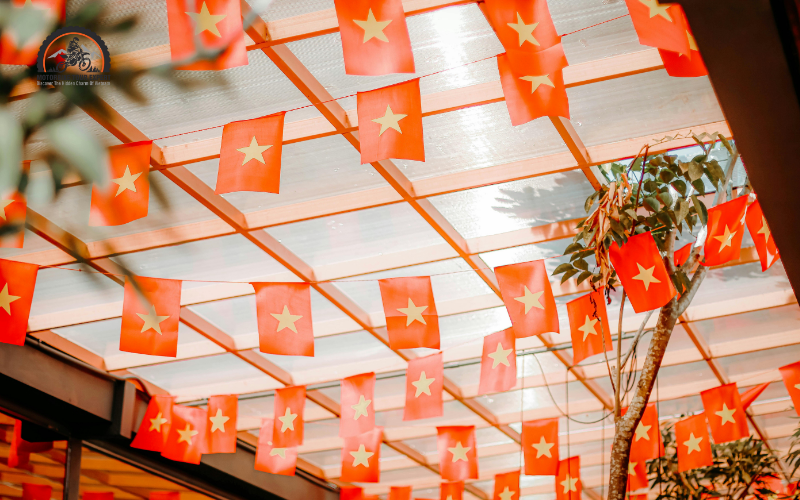
Patriotic Displays: Streets, public buildings, and homes are decorated with the national flag, banners, and posters featuring patriotic slogans and images of former leader Ho Chi Minh.
Fireworks and Light Shows: Grand fireworks displays light up the night sky in major urban centers like Hanoi and Ho Chi Minh City. In recent years, these have been complemented by technologically advanced drone light shows, such as the record-breaking 10,500-drone performance in Ho Chi Minh City for the 50th anniversary in 2025.
Cultural Festivities: A variety of cultural events take place, including live music concerts, traditional dance performances, art exhibitions, and film screenings that explore historical themes of war, liberation, and unity.
Family and Community Gatherings: As a public holiday, it is an occasion for family reunions and community gatherings. Many people use the time off to reflect on their country’s history and enjoy the festive atmosphere with loved ones.
1. What is the difference between Reunification Day and National Day?
Reunification Day on April 30 marks the end of the Vietnam War and the reunification of North and South Vietnam in 1975. Vietnam’s National Day, celebrated on September 2, commemorates President Ho Chi Minh’s Declaration of Independence from France in 1945. Both are major national holidays but celebrate different pivotal moments in the country’s history.
2. What are other names for Vietnamese Reunification Day?
It is also widely known as Victory Day (Ngày Chiến thắng) or Liberation Day (Ngày Giải phóng miền Nam). Its official name is the Day of the Liberation of the South and National Reunification (Ngày giải phóng miền Nam, thống nhất đất nước).
3. Is it a good time to travel to Vietnam for Reunification Day?
Yes, it can be a vibrant and memorable time to visit, offering a unique opportunity to witness Vietnam’s patriotic culture firsthand. However, because it is one of the country’s most important public holidays, travelers should expect large crowds, heavy traffic, and high demand for flights and hotels. It is highly recommended to book all travel and accommodations well in advance .
Vietnamese Reunification Day remains a cornerstone of the nation’s modern identity, commemorating the end of the war and the beginning of a unified, independent Vietnam. It is a day of both celebration and solemn remembrance, reflecting on a history of sacrifice and resilience. Hopefully, this article from Vietnam Motorbike Tour Expert has helped you understand this significant event.
>>>Find out more: Heritage Alive: Ha Giang Traditional Festivals
LET'S RIDE WITH US
 Duration:
4 Days/ 3 Nites
Destinations:
Hanoi - Vu Linh - Phu Yen - Moc Chau - Mai Chau - Hanoi.
Tour Level:
Chill Level Tours
Duration:
4 Days/ 3 Nites
Destinations:
Hanoi - Vu Linh - Phu Yen - Moc Chau - Mai Chau - Hanoi.
Tour Level:
Chill Level Tours
 Duration:
7 Days/ 6 Nites
Destinations:
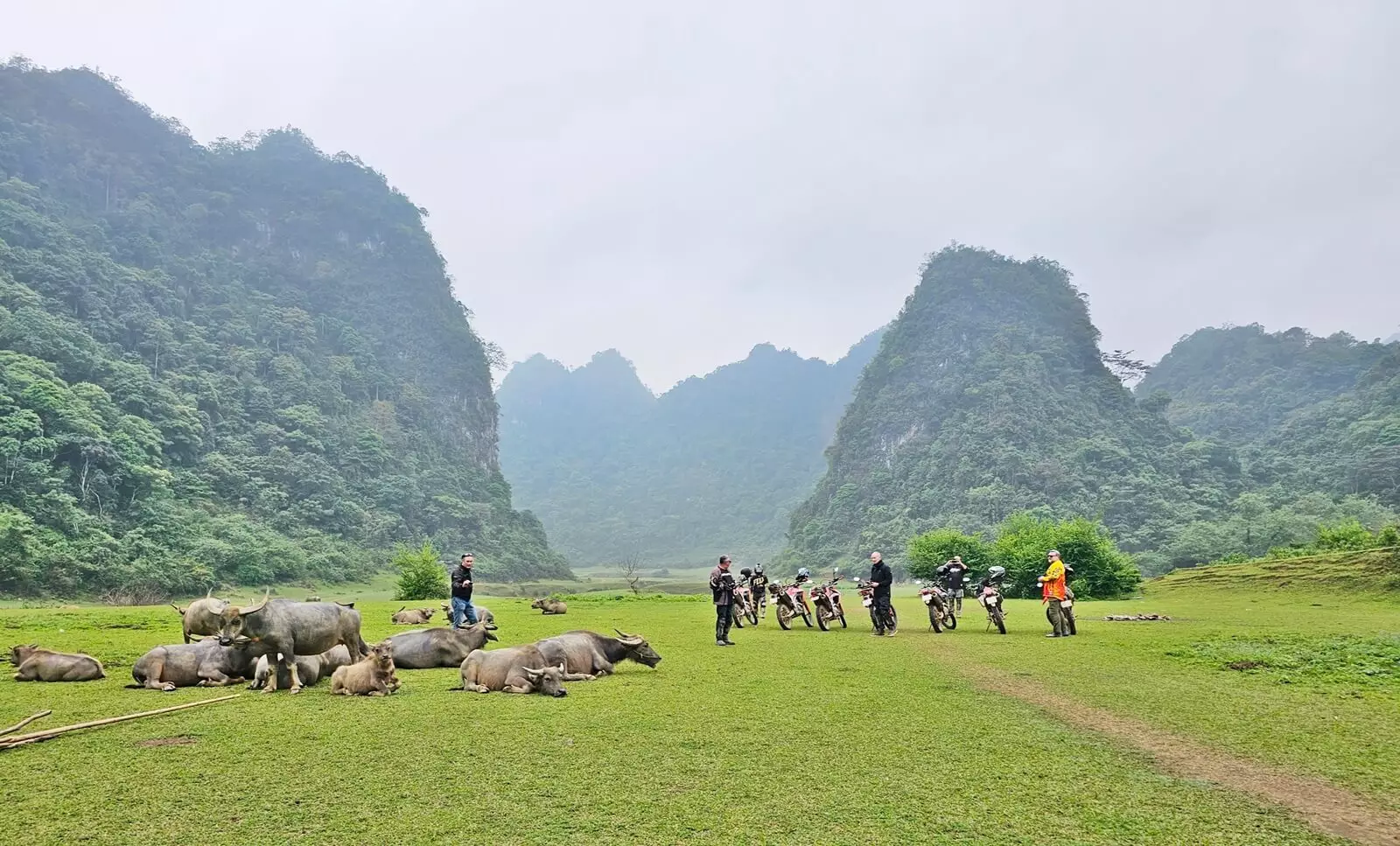
Mau Son - Babe Lake
Tour Level:
Chill Level Tours
Duration:
7 Days/ 6 Nites
Destinations:
Mau Son - Babe Lake
Tour Level:
Chill Level Tours
 Duration:
15 Days/ 14 Nites
Destinations:
Hanoi - Ha Long bay
Tour Level:
Chill Level Tours
Duration:
15 Days/ 14 Nites
Destinations:
Hanoi - Ha Long bay
Tour Level:
Chill Level Tours
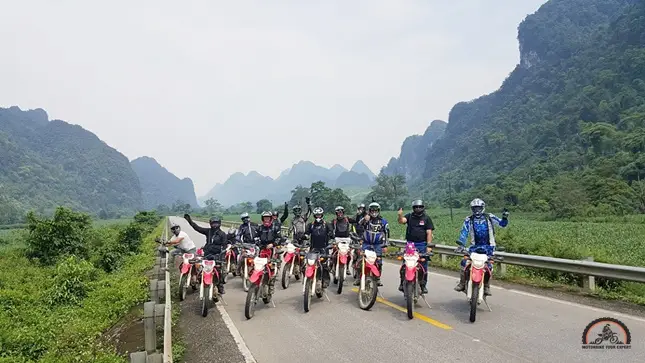 Duration:
8 Days/ 7 Nites
Destinations:
Hanoi - Hoi An
Tour Level:
Chill Level Tours
Duration:
8 Days/ 7 Nites
Destinations:
Hanoi - Hoi An
Tour Level:
Chill Level Tours
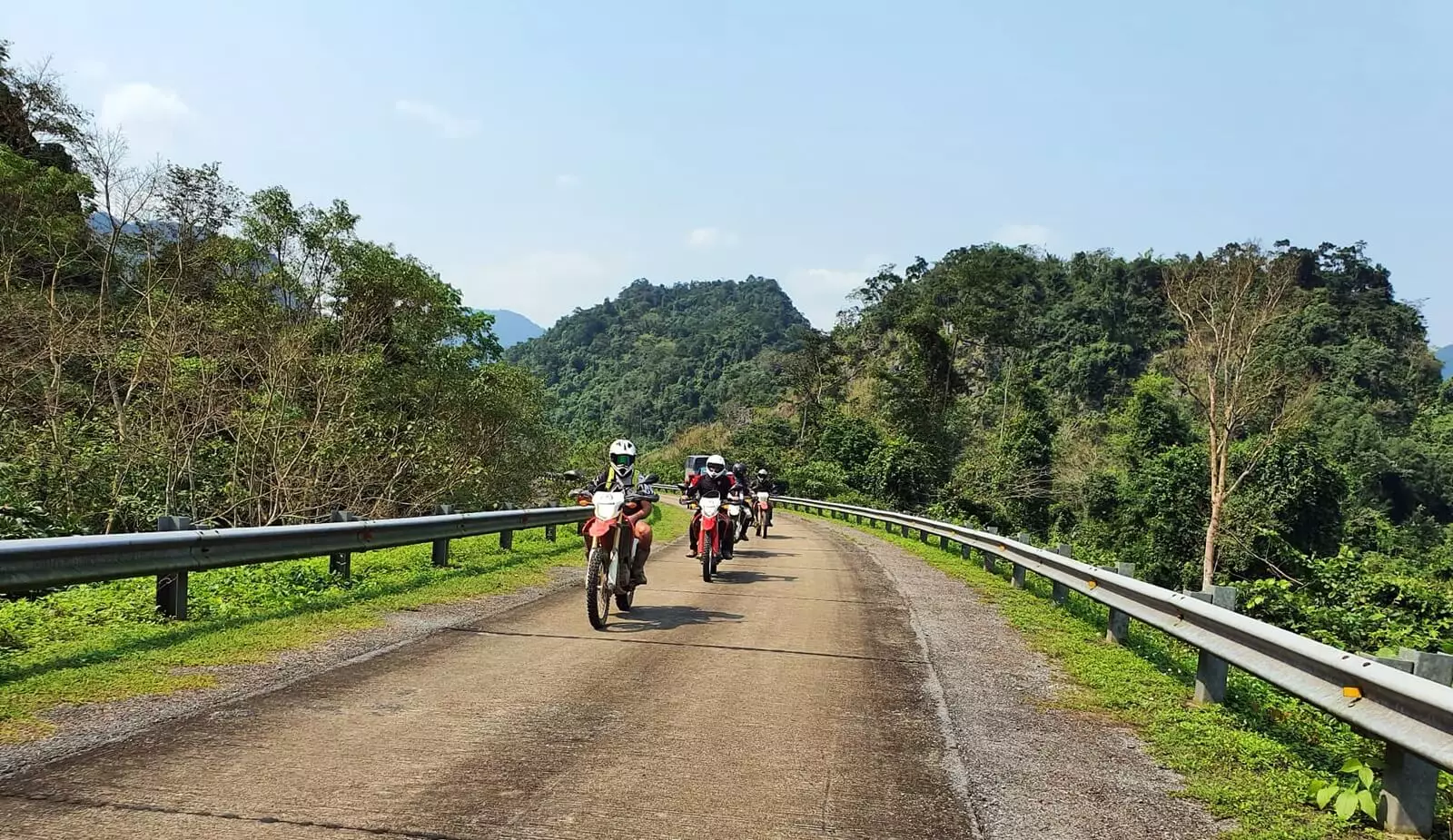 Duration:
15 Days / 14 Nites
Destinations:
Hanoi - HCM city
Tour Level:
Chill Level Tours
Duration:
15 Days / 14 Nites
Destinations:
Hanoi - HCM city
Tour Level:
Chill Level Tours
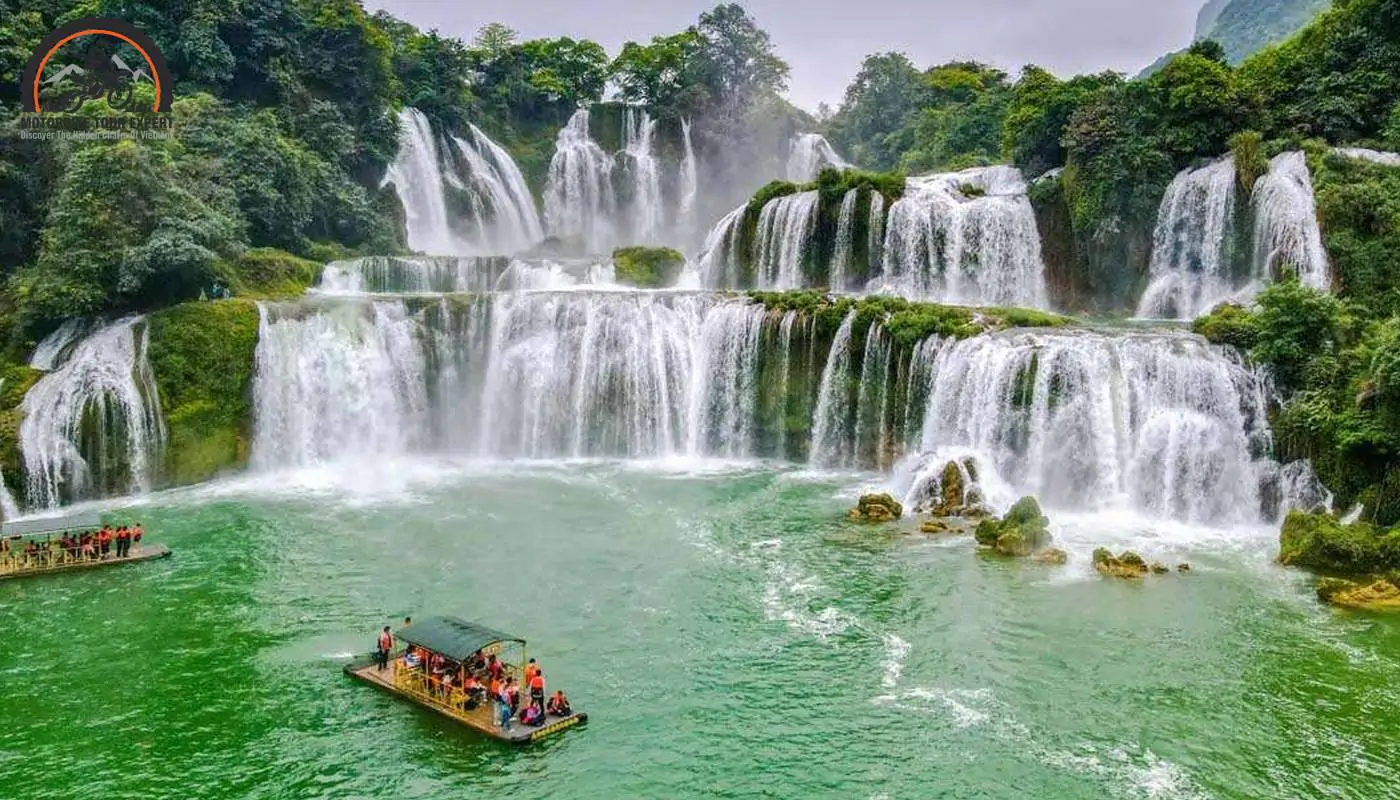 Duration:
15 Days / 14 Nites
Destinations:
Hanoi - Dien Bien Phu
Tour Level:
Chill Level Tours
Duration:
15 Days / 14 Nites
Destinations:
Hanoi - Dien Bien Phu
Tour Level:
Chill Level Tours
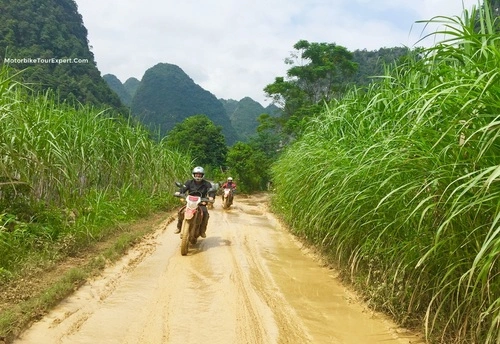 Duration:
17 Days/ 16 Nights
Destinations:
Hanoi - Hoi An
Tour Level:
Chill Level Tours
Duration:
17 Days/ 16 Nights
Destinations:
Hanoi - Hoi An
Tour Level:
Chill Level Tours
 Duration:
6 Days/ 5 Nites
Destinations:
Hanoi - Dong Van
Tour Level:
Chill Level Tours
Duration:
6 Days/ 5 Nites
Destinations:
Hanoi - Dong Van
Tour Level:
Chill Level Tours
4-Day Northern Vietnam Motorbike Tour From Hanoi
 Duration:
4 Days/ 3 Nites
Duration:
4 Days/ 3 Nites
 Tour Level:
Chill Level Tours - Moderate Level Tours
Tour Level:
Chill Level Tours - Moderate Level Tours
Experience the authentic Vietnam
Ride off the beaten track
Visit beautiful Thac Ba Lake
Interact with lovely local people
Riding some scenic offroad tracks
Enjoy a variety of local foods
7-Day Northeast Vietnam Motorbike Tour
Duration:
7 Days/ 6 Nites
Tour Level:
Chill Level Tours - Moderate Level Tours
Experience the authentic Vietnam
Visit the largest waterfall in Vietnam
Ride off the beaten track
Visit beautiful Cao Bang
Interact with lovely local people
Enjoy a variety of local foods
15-Day Grand Northern Vietnam Motorcycle Tour
Duration:
15 Days/ 14 Nites
Tour Level:
Challenging Level Tours - Moderate Level Tours
Experience the authentic Vietnam
Explore beautiful nature in North Vietnam
Interact with lovely local people
Ride scenic offroad trails
Ride off the beaten track
Visit Natural Heritage Ha Long Bay
8-Day Motorcycle Tour Ho Chi Minh Trail
Duration:
8 Days/ 7 Nites
Tour Level:
Chill Level Tours - Moderate Level Tours
Learn about interesting history of Vietnam
Ride historical Ho Chi Minh trail
Ride off the beaten track
Interact with lovely local people
Experience the authentic Vietnam
Ride some beautiful coastlines
15-Day Grand Ho Chi Minh Trail Motorbike Tour
Duration:
15 Days / 14 Nites
Tour Level:
Chill Level Tours - Moderate Level Tours
Experience the authentic Vietnam
Ride off the beaten track
Enjoy a variety of local foods
Interact with lovely local people
Explore the Ho Chi Minh trail
Discover fully Vietnam history & culture
15-Day Amazing Motorcycle Tour Vietnam
Duration:
15 Days / 14 Nites
Tour Level:
Chill Level Tours - Moderate Level Tours
Explore Sapa & Ha Giang loop
Interact with lovely local people
Experience authentic Vietnam
Enjoy scenic off-road trails
Ride off the beaten path
Visit all the "Must-See" in North Vietnam
17-Day Motorbike Tour Around Vietnam
Duration:
17 Days/ 16 Nights
Tour Level:
Challenging Level Tours - Moderate Level Tours
Experience the REAL VIETNAM
Ride off the beaten track/ Ho Chi Minh trail
Visit most of the "MUST SEE" landscapes in Vietnam
Interact with lovely local people
Scenic offroad trails/coastlines
Enjoy a variety of local foods
6-Day Amazing Motorbike Tour To Ha Giang
Duration:
6 Days/ 5 Nites
Tour Level:
Challenging Level Tours - Moderate Level Tours
Experience the authentic Vietnam
Ride off the beaten track
Discover the hidden gem of Ha Giang
Ride scenic single tracks
Interact with lovely local people
Explore a variety of the local traditions