Your message has been sent. Thank you!
 Your message has been sent. Thank you!
I'm ready to book
Hmm, I still need more information
My information
Detailed information
From $ USD
Ho Chi Minh Trail Motorcycle Tour – 12 Days

Duration:
12 Days/ 11 Nites

Destinations:
Hanoi - Nha Trang

Tour Level:
More offroad (>40%)

Highlight:
Destination:
Ha Noi
Mai Chau
Tan Ky
Phong Nha
Ke Bang National park
Khe Sanh
Vinh Moc tunnels
Hue
Da Nang
Hoi An
Kon Tum
Buon Me Thuat
Lak Lake
Nha Trang
Pickup from:
Hanoi, Airport or any hotel in Ha Noi city
Suitable Bikes:
Honda XR150L, Honda CRF300L,


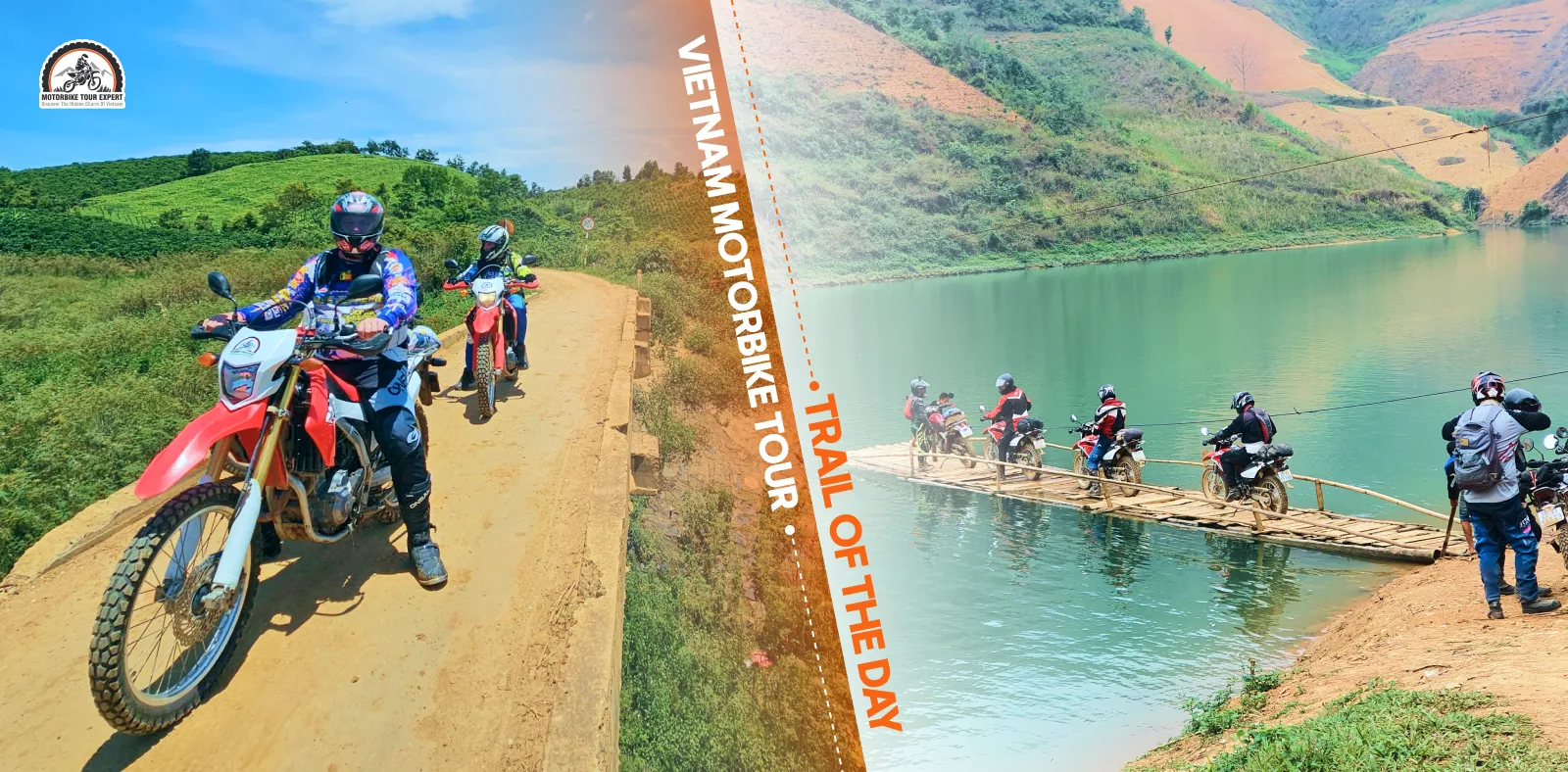

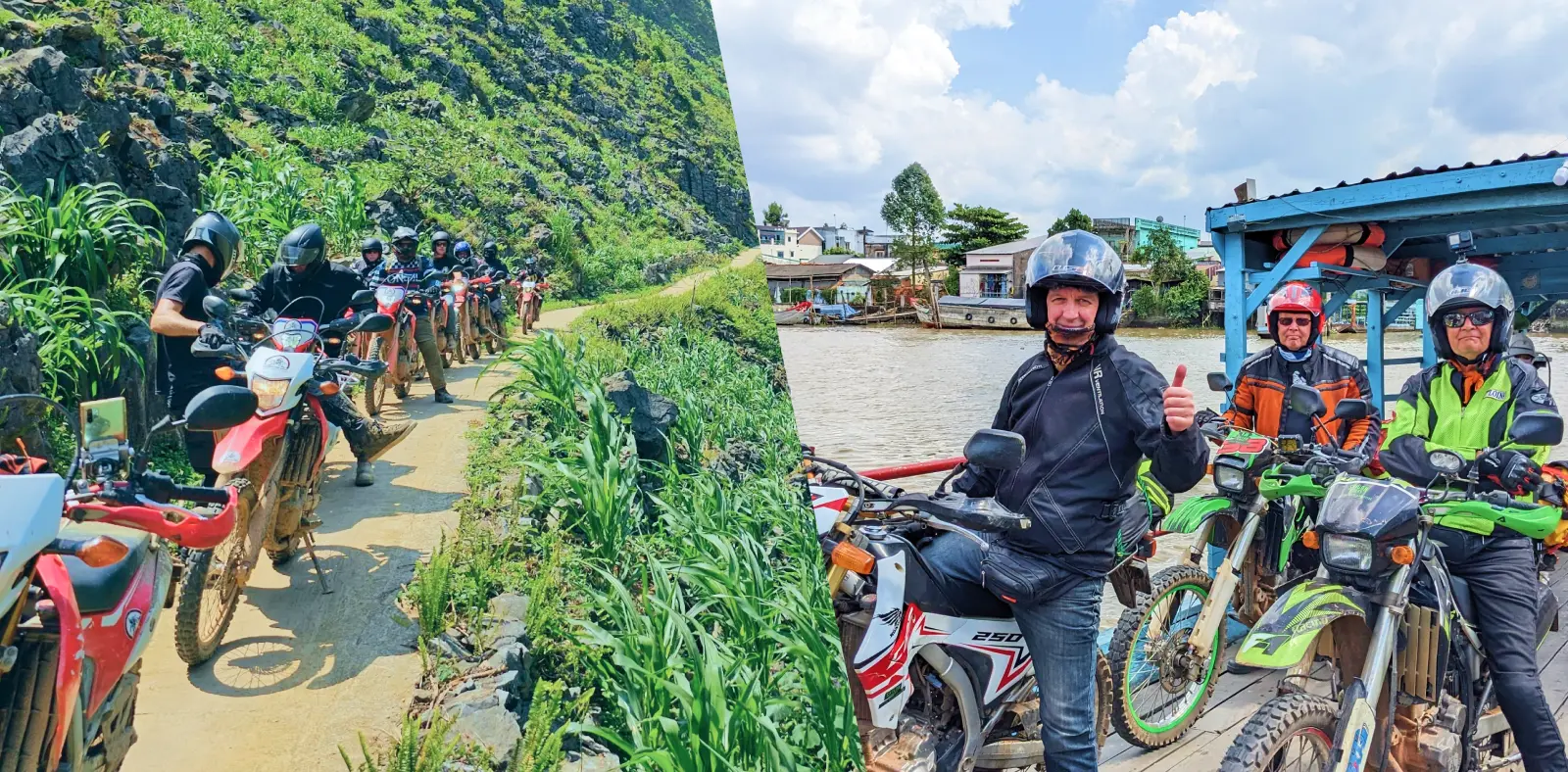

Planning a trip to Vietnam? Learning a few basic Vietnamese phrases can enhance your experience, help you connect with locals, and make your journey more enjoyable. Whether you’re ordering food, asking for directions, or greeting someone, these phrases will come in handy.
In addition to being able to communicate more easily with locals, knowing basic Vietnamese words also makes you more professional and knowledgeable when joining motorbike tours in Vietnam. Like other languages, Vietnamese has many different pronunciations for words. Check out the information below to learn more about Vietnamese!
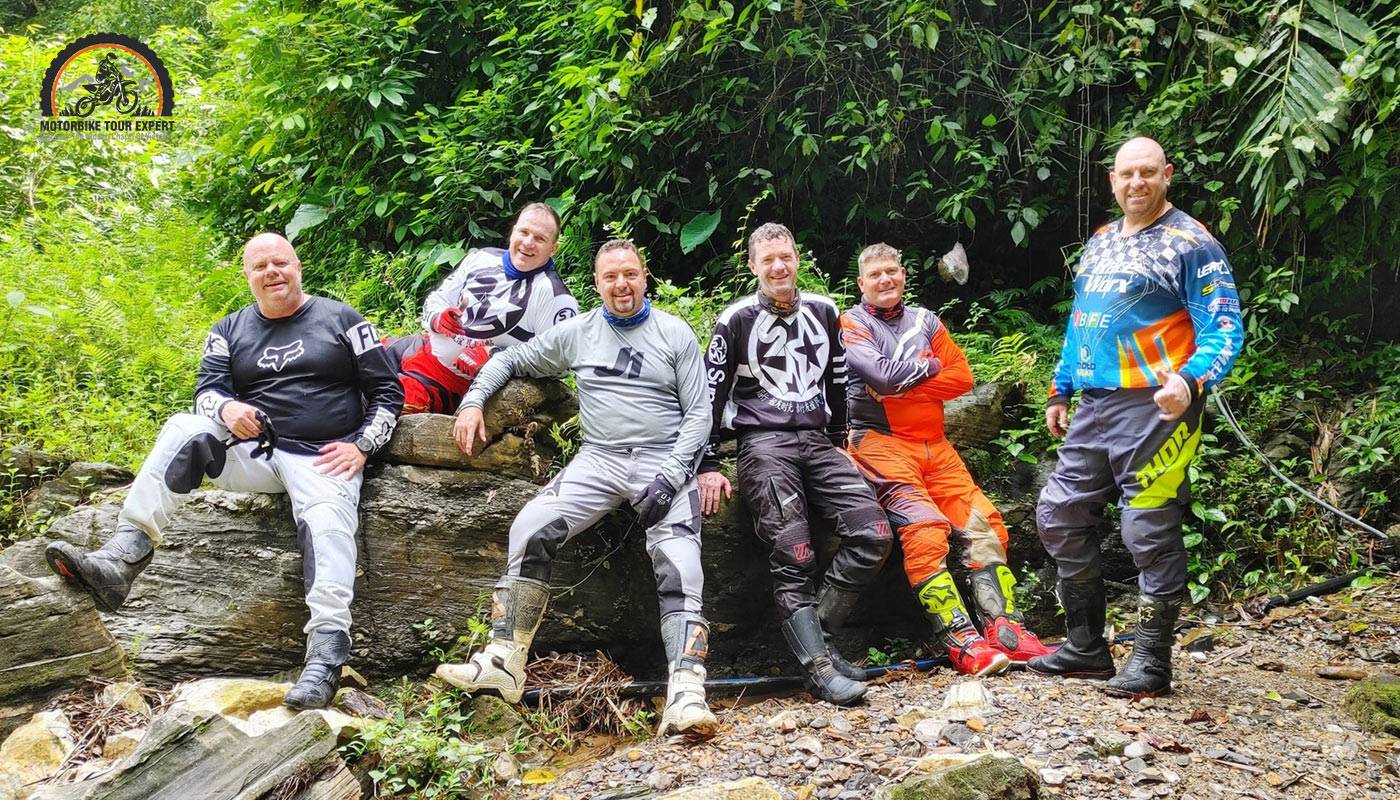
Vietnam is a nation in Southeast Asia that has a long and rich history and culture. Vietnam’s culture is influenced by various sources, such as China, France, and the United States so the Vietnamese accent will be different in each region of Vietnam.
Due to the influence of many different countries in the world, the pronunciation of each region is also different. Besides, Vietnam is divided into 3 main regions: North, Central and South, each region will have its own characteristics in pronunciation, which creates a special feature of Vietnam’s culture. To explore the beauty of the three main regions, contact us to immerse yourself in nature with North Vietnam Motorbike Tours, South Vietnam Motorbike Tours, Central Vietnam Motorbike Tours.
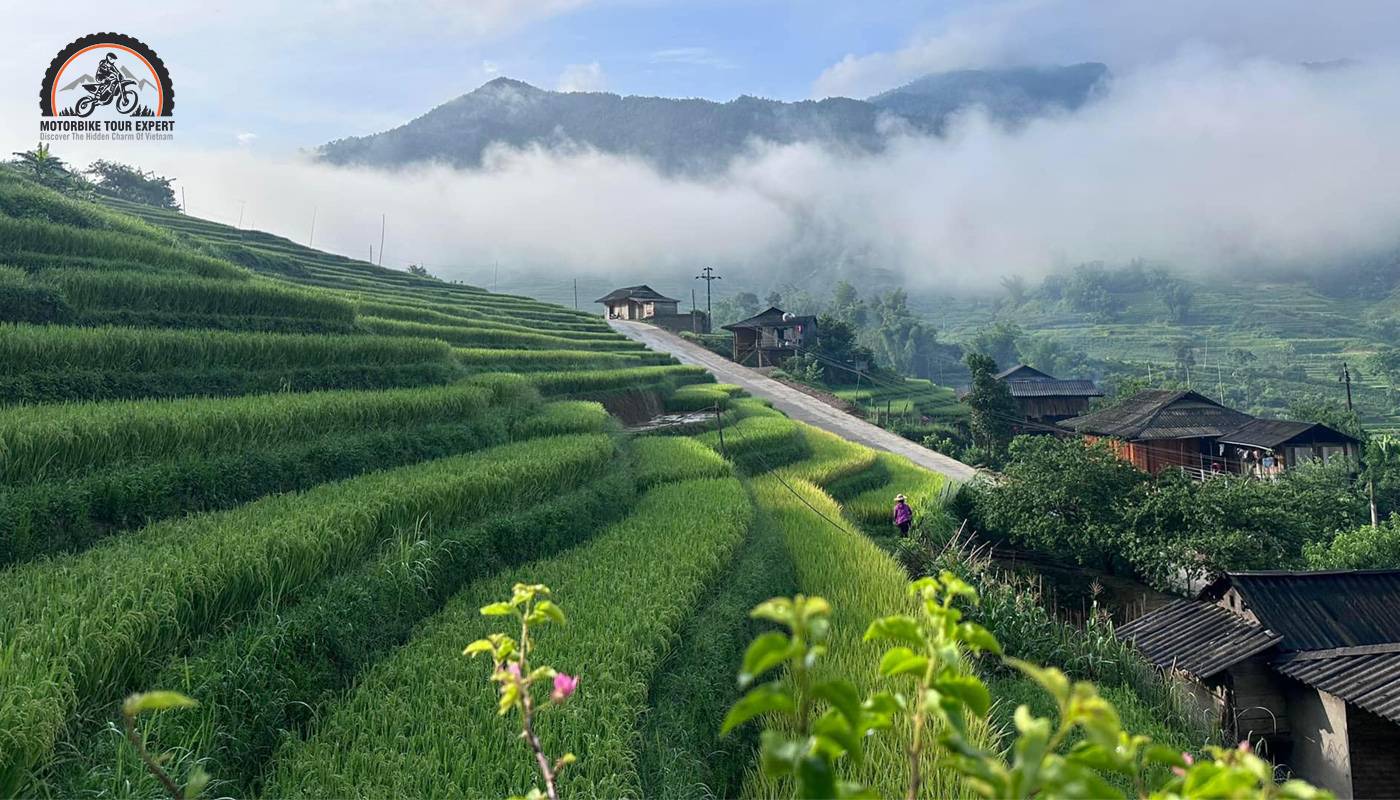
The information below will give you the pronunciation of all 3 regions and their special features.
In addition, in each region, there will be different local words and the use of words is different to refer to the same objects. All those things make the Vietnamese language diverse.
Find out more: 10 Motorbike Safety Tips For An Unforgettable Experience
In England or other English speaking countries, people use the same pronouns for “I”, “you”, “he”, and “she” regardless of age or status. While in Vietnam, we have a lot of ways to call someone.
Typically as in English, people use the same word for “uncle” or “aunt” regardless of whether they are related by blood or marriage. For example, Uncle Harry, and Aunt Tracy. In Vietnamese, people use different words for “uncle” or “aunt” depending on whether they are related by blood or familiarity with the Vietnamese person you are talking to.

Vietnamese people use different pronouns for “I”, “you”, “he”, and “she” depending on the situation and the person you are talking to. For example, “Tôi” or “Tui” (in the South of Vietnam) means I and is used when talking to strangers. “Em” means younger sibling and is used for people who are younger than the person that they talk to or when talking to their lovers.
Addressing people is considered one of the hardest parts of communication in Vietnam. There are a lot of ways to call someone based on age, gender, and relationships. You can check the table below for basic Vietnamese phrases to address someone in Vietnam.
| Addressing yourself | English means |
|
– Toi, to, tui (talking to a friend or one who same age with you). – Em (talking to an older person, like a brother/sister) – Anh/Chi (Talking to the younger than yourself). |
I (me) |
| Calling someone | Towards |
| Em | Calling the one who is younger than you. |
| Anh (Male) / Chi (Female) | Calling the one who is older than you. |
| Co (Female) / Chu (Male) | Towards to those who are younger than your parents. |
| Bac | Towards who is older than your parents. |
| Ong (Male) / Ba (Female) | Towards ones the same age as your grandparents. |
Vietnam is a beautiful and hospitable country, Vietnamese people are willing to help or have a chat with foreigners. We’ll inform you of common Vietnamese phrases in different situations below to communicate easily and have a great trip.
The most common way to say hello in Vietnam is “Xin chào” or “Chào” (a little bit the same as Italian). It’s a versatile phrase that can be used at any time of the day and with anyone. In another way, you can address people naturally by calling someone following the table above.
When saying goodbye to Vietnamese, you can use different phrases depending on the situation. For example, you can say “Tạm biệt” which means “Goodbye”, or simply say “Bai” which means the same pronunciation and meaning as “Bye” in English.
Those are some Basic Vietnamese Phrases for riders to greet in Vietnam.
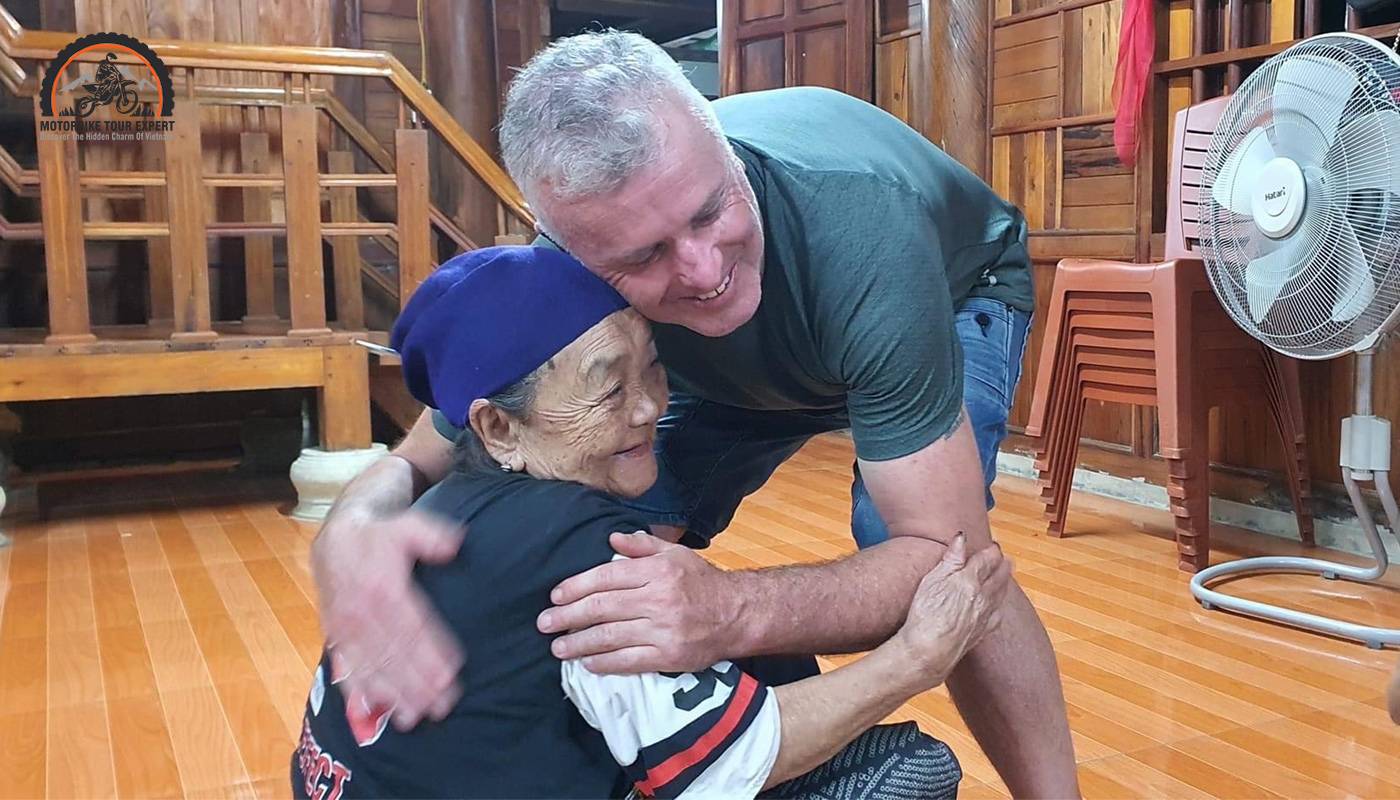
When you want to ask for directions, you can greet Vietnamese people (like the instructions above) first then ask them how to get to a certain place using the following structure:
“[The place that you want to get there] ở đâu ạ?” which means “Where is [address]?”
“Đi đến [address] như thế nào ạ?” means “How do I get to [address]?”
Alternatively, you can use the simpler structure as “Any location + o dau?” The word “o dau?” means “Where” in Vietnamese.
For beginners and who have the first time come to Vietnam, you can simply say thank you or sorry using the following sentences:
| Thank you and sorry in Vietnamese | English means |
| Xin cam on (Xin cảm ơn)! | Thank you! |
| Cam on nhe (Cảm ơn nhé)! | |
| Xin loi (Xin lỗi)! | I’m so sorry! |
| Cho toi xin loi (Cho tôi xin lỗi) |
You can give a compliment to Vietnamese by simply showing them a thumbs up or you can use the following simple sentences below here.
| Giving compliments in Vietnam | English meaning |
| No rat tot! (Nó rất tốt!) | It’s good! |
| Dep qua! (Đẹp quá!) | It is beautiful! |
| Toi rat thich (Tôi rất thích!) | I like it! |
| Ban rat dep (Bạn rất đẹp!) | You are so beautiful! |
| Mon an rat ngon! (Món ăn rất ngon!) | The food is so delicious! |
Traveling Vietnam, you can experience the culture here by eating at the markets or restaurants in the area you visit. Besides the restaurants, you can also experience coffee shops in Vietnam to know more about our culture.
| Communicate at a coffee shop/restaurant | English meaning |
| Cho toi goi mon (Cho tôi gọi món)! | Order here! |
| Toi muon + the thing you want. | I want… |
| Cho toi menu. | Can I have a menu? |
| Toi doi qua (Tôi đói quá) | I am hungry. |
| Toi la nguoi an chay (Tôi là người ăn chay). | I’m vegan. |
| Toi di ung voi + the thing you are allergic to. | I’m allergic to… |
| It ngot nhe (Ít ngọt nhé) | Less sugar. |
| Khong da/khong duong (Không đá/không đường). | No ice/no sugar |
| Tinh tien (Tính tiền) | Check the bill, please |
Vietnam is famous for many food markets, Vietnamese dishes are diverse and delicious. In order to be able to communicate simply with locals or market traders, we provide you with some simple Vietnamese basic words and phrases so that you can have the best experience in Vietnam.
| Sentences for shopping in the Vietnamese market | The meaning in English |
| Cai nay bao nhieu (Cái này bao nhiêu?) | How much is it? |
| Toi muon cai nay (Tôi muốn cái này) | I want this! |
| Dat qua (Đắt quá!) | It’s too expensive! |
| Toi lay no (Tôi lấy nó!) | I’ll take it! |
| Toi muon cai nho hon (Tôi muốn cái nhỏ hơn). | I want the smaller one. |
| Toi muon cai lon hon (Tôi muốn cái lớn hơn) | I want the bigger one. |
In addition to basic Vietnamese for riders above, you can use the following sentences to ask for the easiest and fastest way to the airport.
Below are some of the most important basic Vietnamese phrases / words. Aware simple numbers as well as the face value of money not only help your payment easier but also make your trip more wonderful.
The table below provides you with how to say and write some Basic Vietnamese Phrases of numbers.
| The numbers | How to write it | How to pronounce it |
| 1 | Mot (Một) | Moht |
| 2 | Hai (Hai) | Hai |
| 3 | Ba (Ba) | Ba |
| 4 | Bon (Bốn) | Bohn |
| 5 | Nam (Năm) | Nahm |
| 6 | Sau (Sáu) | Saw |
| 7 | Bay (Bảy) | Baie |
| 8 | Tam (Tám) | Tahm |
| 9 | Chin (Chín) | Chin |
| 10 | Muoi (Mười) | Muoy |
| 11 | Muoi Mot (Mười một) | Muoy Moht |
| 12 | Muoi Hai (Mười hai) | Muoy Hai |
| 13 | Muoi Ba (Mười ba) | Muoy Ba |
| 14 | Muoi Bon (Mười bốn) | Muoy Bohn |
| 15 | Muoi Lam (Mười lăm) | Muoy Nahm |
| 16 | Muoi Sau (Mười sáu) | Muoy Saw |
| 17 | Muoi Bay (Mười bảy) | Muoy Baie |
| 18 | Muoi Tam (Mười tám) | Muoy Tahm |
| 19 | Muoi Chin (Mười chín) | Muoy Chin |
| 20 | Hai Muoi (Hai mươi) | Hai Muoy |
Vietnam has many different face values of money. Check out the information about Vietnam’s face value and color so as not to confuse when using it.
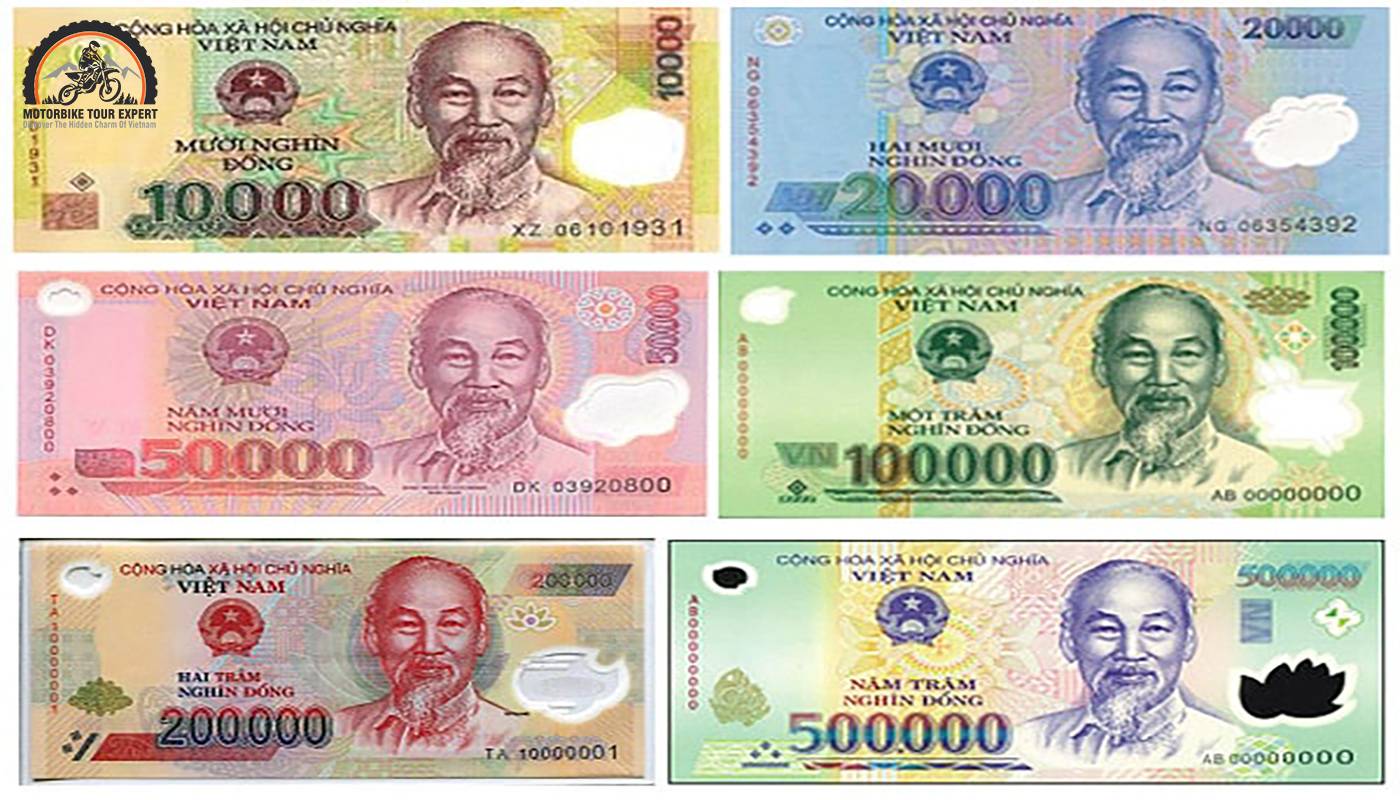
| The face values of money (VND) | How to pronounce it | The color of money |
| 10 000 | Muoy ngin | dark yellow |
| 20 000 | Hai muoy ngin | light blue |
| 50 000 | Nam muoy ngin | pink |
| 100 000 | Moht chahm ngin | green |
| 200 000 | Hai chahm | light orange |
| 500 000 | Nahm chahm ngin | blue |
Vietnam becomes more and more popular destination for tourist all over the world; however, most of the Vietnamese people are not good at speaking English or foreign languages so we hope some of these Basic Vietnamese Phrases will help you sometimes during your travel in Vietnam!
For the best experience of Vietnamese culture, history, and landscapes, please consider allowing us to be your local tour guides during your travels in Vietnam. Just join one of our Vietnam motorcycle tours here and enjoy Vietnam with our local guide team!
Read more: Check out Traffic rules in Vietnam you should know before riding
LET'S RIDE WITH US
 Duration:
4 Days/ 3 Nites
Destinations:
Hanoi - Vu Linh - Phu Yen - Moc Chau - Mai Chau - Hanoi.
Tour Level:
Chill Level Tours
Duration:
4 Days/ 3 Nites
Destinations:
Hanoi - Vu Linh - Phu Yen - Moc Chau - Mai Chau - Hanoi.
Tour Level:
Chill Level Tours
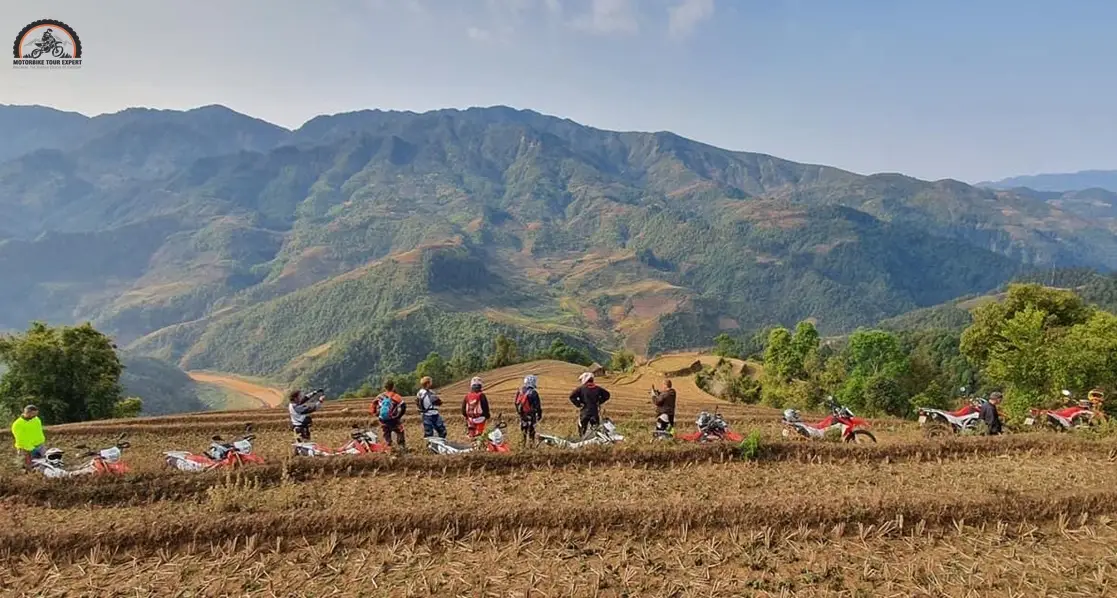 Duration:
10 Days/ 9 Nights
Destinations:
Hanoi - Dien Bien Phu
Tour Level:
Chill Level Tours
Duration:
10 Days/ 9 Nights
Destinations:
Hanoi - Dien Bien Phu
Tour Level:
Chill Level Tours
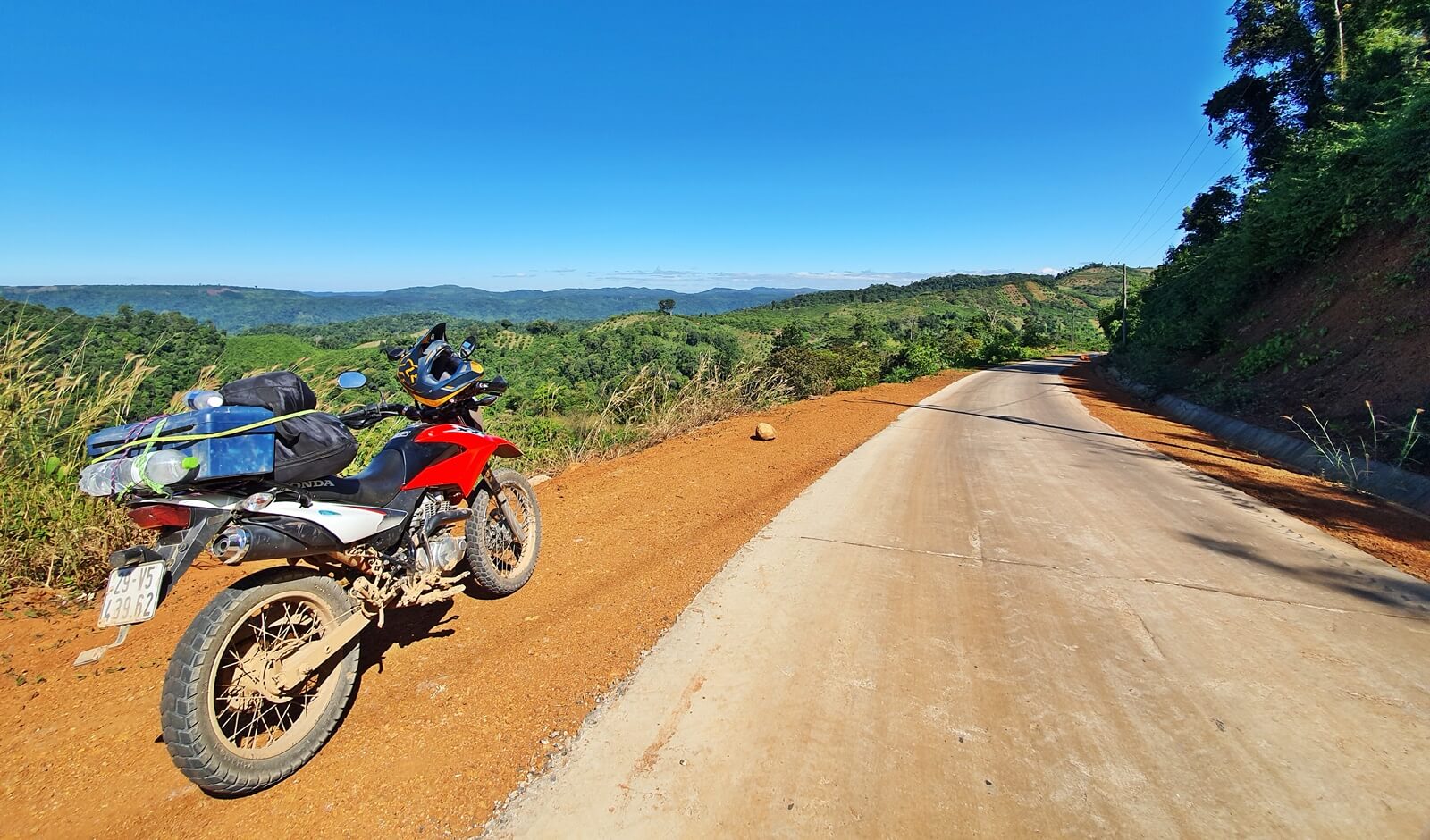 Duration:
7 Days / 6 Nites
Destinations:
Sai Gon - Phan Thiet
Tour Level:
Chill Level Tours
Duration:
7 Days / 6 Nites
Destinations:
Sai Gon - Phan Thiet
Tour Level:
Chill Level Tours
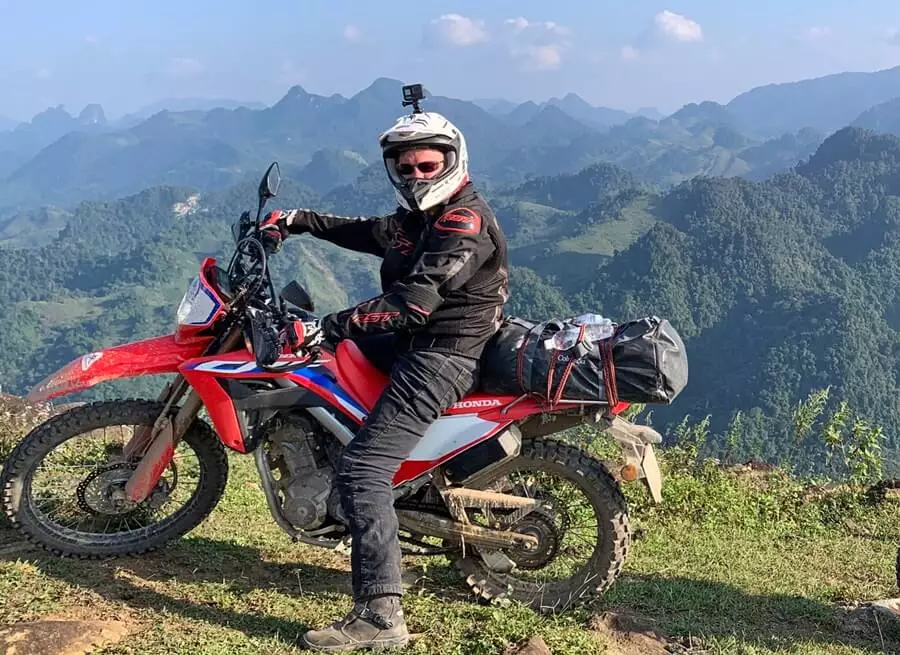 Duration:
3 Days / 2 Nites
Destinations:
Hanoi - Mai Chau
Tour Level:
Chill Level Tours
Duration:
3 Days / 2 Nites
Destinations:
Hanoi - Mai Chau
Tour Level:
Chill Level Tours
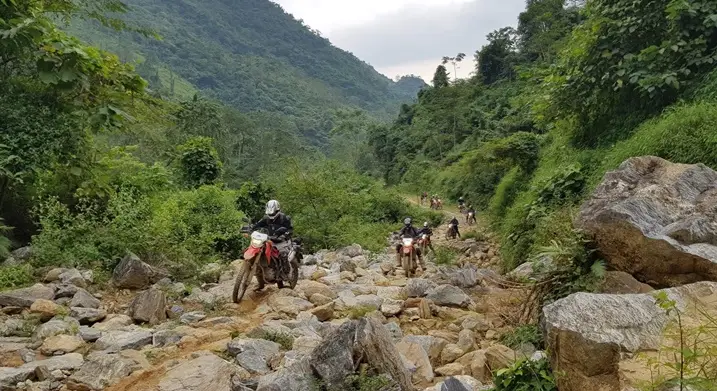 Duration:
9 Days / 8 Nites
Destinations:
Hanoi - Hoi An
Tour Level:
Chill Level Tours
Duration:
9 Days / 8 Nites
Destinations:
Hanoi - Hoi An
Tour Level:
Chill Level Tours
 Duration:
4 Days/ 3 Nites
Destinations:
Hoi An - Nha Trang
Tour Level:
Chill Level Tours
Duration:
4 Days/ 3 Nites
Destinations:
Hoi An - Nha Trang
Tour Level:
Chill Level Tours
 Duration:
5 Days/4 Nights
Destinations:
Hanoi
Tour Level:
Chill Level Tours
Duration:
5 Days/4 Nights
Destinations:
Hanoi
Tour Level:
Chill Level Tours
 Duration:
5 Days / 4 Nights
Destinations:
Hanoi - Hanoi
Tour Level:
Chill Level Tours
Duration:
5 Days / 4 Nights
Destinations:
Hanoi - Hanoi
Tour Level:
Chill Level Tours
4-Day Northern Vietnam Motorbike Tour From Hanoi
 Duration:
4 Days/ 3 Nites
Duration:
4 Days/ 3 Nites
 Tour Level:
Chill Level Tours - Moderate Level Tours
Tour Level:
Chill Level Tours - Moderate Level Tours
Experience the authentic Vietnam
Ride off the beaten track
Visit beautiful Thac Ba Lake
Interact with lovely local people
Riding some scenic offroad tracks
Enjoy a variety of local foods
10-Day Special Ride Northwest Vietnam
Duration:
10 Days/ 9 Nights
Tour Level:
Challenging Level Tours - Moderate Level Tours
Experience the authentic Vietnam e
Interact with lovely local peopl
Ride fun offroad track
Ride off the beaten track
Visit beautiful Thac Ba lake
Discover the hidden beauty of Northwest
7-Day South Vietnam Motorbike Tour
Duration:
7 Days / 6 Nites
Tour Level:
Chill Level Tours
Experience authentic Vietnam
Explore Mekong delta
Interact with lovely local people
Enjoy a variety of Vietnamese food
Ride some scenic off-road trails
Ride off the beaten path
3-Day Short Northwest Vietnam Motorbike Tour
Duration:
3 Days / 2 Nites
Tour Level:
Chill Level Tours
Interact with lovely local people
Riding some fun offroad tracks
Ride off the beaten track
Stay at homestay with the local
Experience the authentic Vietnam
Enjoy a variety of local foods
9-Day Vietnam Motorbike Tour On Historical Trail
Duration:
9 Days / 8 Nites
Tour Level:
Chill Level Tours - Moderate Level Tours
Interact with lovely local people
Visit historical sites along the Ho Chi Minh trail
Ride off the beaten track
Ride beautiful coastlines
Experience the authentic Vietnam
Enjoy great Vietnamese food
4-Day Hoi An Motorbike Tour to Nha Trang
Duration:
4 Days/ 3 Nites
Tour Level:
Chill Level Tours
Ride off the beaten track
Visit hidden charms of central Vietnam
Visit historical sites
Experience the authentic Vietnam
Interact with lovely local people
Ride Historical Ho Chi Minh trail
5-Day Ha Giang Loop Motorbike Tour from Hanoi
Duration:
5 Days/4 Nights
Tour Level:
Challenging Level Tours - Moderate Level Tours
Explore amazing Ha Giang Loop
Ride off the beaten path
Interact with lovely local people
Visit Ba Be lake Lake & National Park
Enjoy scenic offroad trails
Experience authentic Vietnam
5-Day Great Sapa Motorbike Tour from Hanoi
Duration:
5 Days / 4 Nights
Tour Level:
Moderate Level Tours
Experience the authentic Vietnam
Interact with lovely local people
Beautiful view of rice terrace
Ride off the beaten track
See the largest lake of Thac Ba
Discover hidden beauty of Sapa