Your message has been sent. Thank you!
 Your message has been sent. Thank you!
I'm ready to book
Hmm, I still need more information
My information
Detailed information
From $ USD
Ho Chi Minh Trail Motorcycle Tour – 12 Days

Duration:
12 Days/ 11 Nites

Destinations:
Hanoi - Nha Trang

Tour Level:
More offroad (>40%)

Highlight:
Destination:
Ha Noi
Mai Chau
Tan Ky
Phong Nha
Ke Bang National park
Khe Sanh
Vinh Moc tunnels
Hue
Da Nang
Hoi An
Kon Tum
Buon Me Thuat
Lak Lake
Nha Trang
Pickup from:
Hanoi, Airport or any hotel in Ha Noi city
Suitable Bikes:
Honda XR150L, Honda CRF300L,


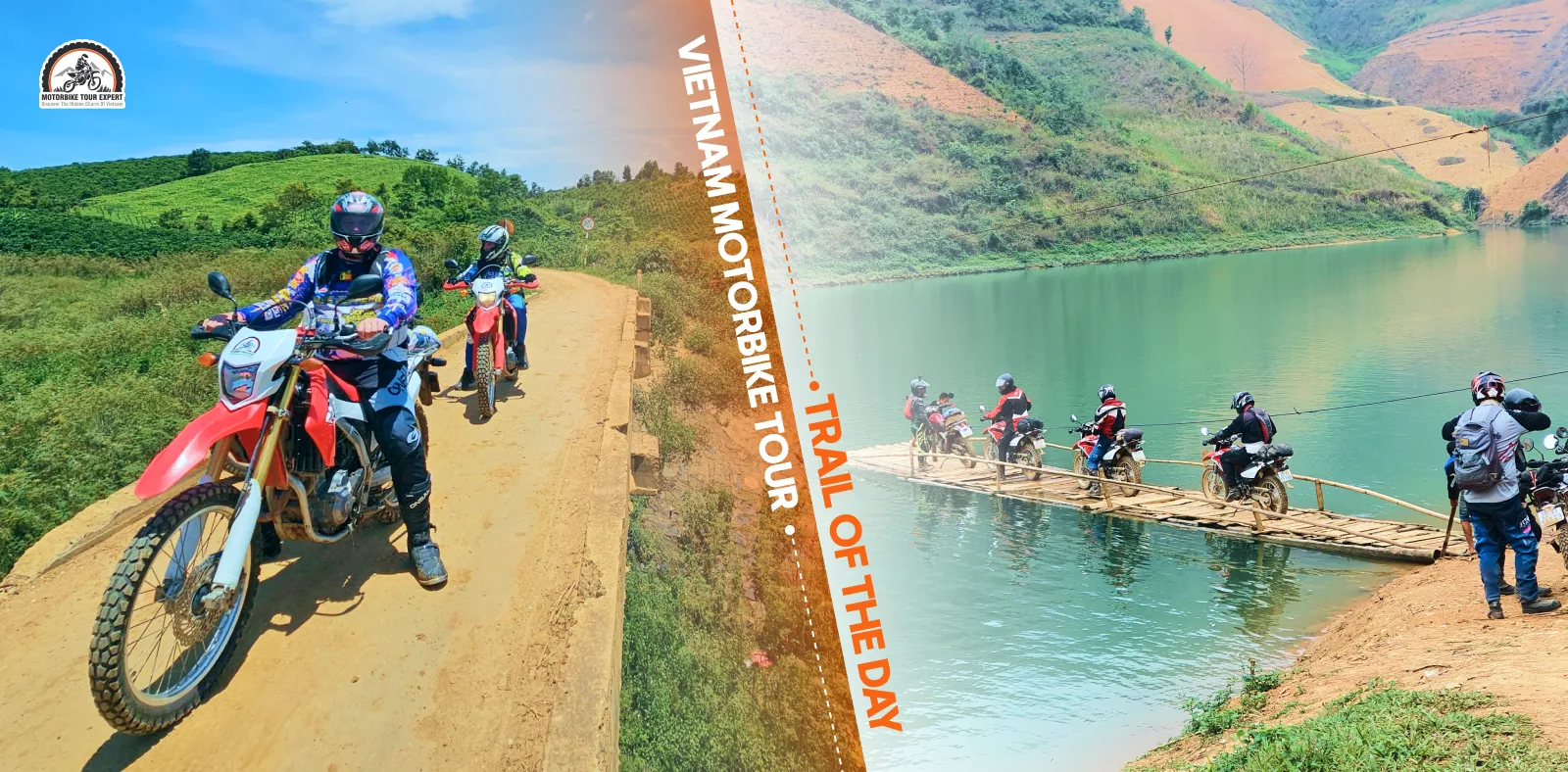
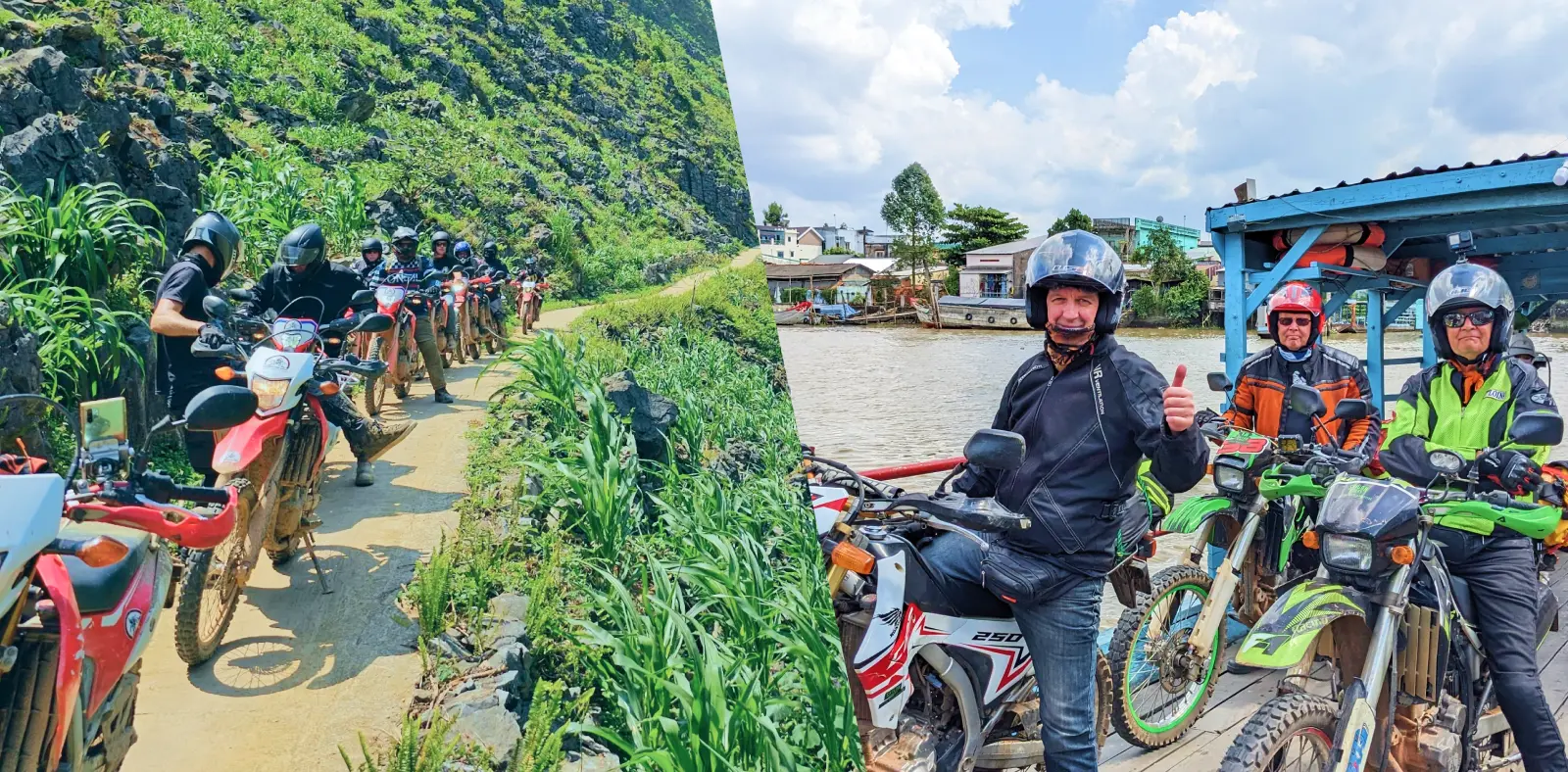

Vietnam stretches more than 1,600 km from north to south, with 9 with 9 main ways to get around the country. Because each mode works best on different routes, the best way to travel Vietnam north to south is to combine several forms of transport. In this guide, we compare 9 practical ways to travel across Vietnam, along with tips on choosing and combining them for a smoother, more efficient journey.
The right transport depends on how far you are traveling, the terrain you cross and how much of the journey you want to experience along the way. Here are the 9 most useful ways to move through Vietnam from north to south.
Domestic flights are the fastest way to cover long distances in Vietnam. Vietnam Airlines and Vietjet Air operate routes between major destinations such as Hanoi, Da Nang, Hue, Nha Trang, Da Lat and Ho Chi Minh City, making air travel especially useful when you’re short on time.
Pros & cons:
|
Pros |
Cons |
|
• Time Efficiency: Flights take only 1 – 2 hours between major regions compared to 16 – 30+ hours by train or bus. • Ideal for Short Itineraries: Maximizes sightseeing time for travelers on tight 2-week itineraries traversing the country. • Affordable Airfares: Domestic tickets are surprisingly budget-friendly with frequent daily routes. • Extensive Hub Network: Efficiently connects key northern, central, and southern destinations such as Hanoi, Da Nang, Can Tho, and Ho Chi Minh City. |
• Airport Transfers Needed: Requires arranging ground transport (such as taxis or Grab) to and from airports located outside city centers. • Time Lost in Airport Logistics: Factoring in airport transfers, check-in, and security procedures diminishes time savings on shorter regional legs. • Skips scenic overland views: Misses famous coastal views, mountain landscapes, and iconic passes like the Hai Van Pass. |
Best-suited routes:
Costs & booking channels:
Target audience: Best for travelers with 10 – 14 days, families and anyone who wants to cover both Northern and Southern Vietnam efficiently.
Pro-tips & safety:
The North – South Railway is one of the most atmospheric ways to experience Vietnam. Instead of simply moving between cities, you travel past rice fields, fishing villages, coastline and mountain passes, with the Hue – Da Nang section across Hai Van Pass standing out as one of the most scenic rail journeys in the country.
Pros & cons:
|
Pros |
Cons |
|
• Scenic journey: Large windows reveal countryside, coast and mountain scenery that flights bypass. • Overnight convenience: Sleeper trains can combine transport with a night’s accommodation. • City-center stations: Rail stations are generally more central than airports, reducing transfer time. • More relaxed than buses: Passengers can walk around, stretch and sleep in proper berths on long journeys. |
• Slower overall: The full Hanoi – Ho Chi Minh City journey takes roughly 31 – 33 hours on faster services. • Limited onboard dining: Food choices can be basic, so longer journeys are easier with snacks and water. • Cabin quality varies: Comfort depends on train, carriage and berth type. • Popular sleepers sell out: Four-berth soft sleepers can become difficult to secure around holidays and peak periods. |
Best-suited routes:
Costs & booking channels:
Target audience: Best for slow travelers, couples, rail enthusiasts and anyone who wants the journey to be part of the Vietnam travel experience.
Pro-tips & safety:
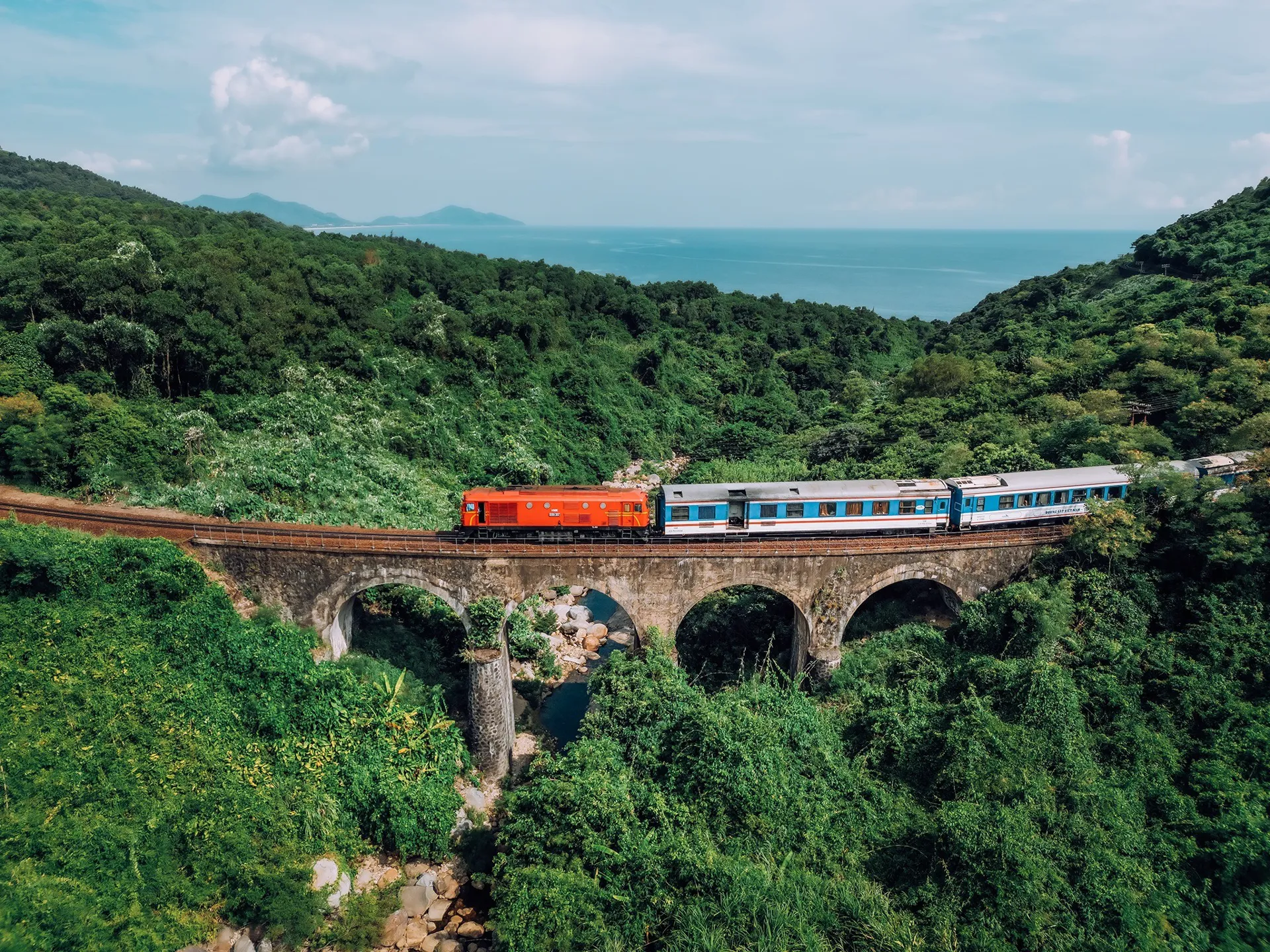
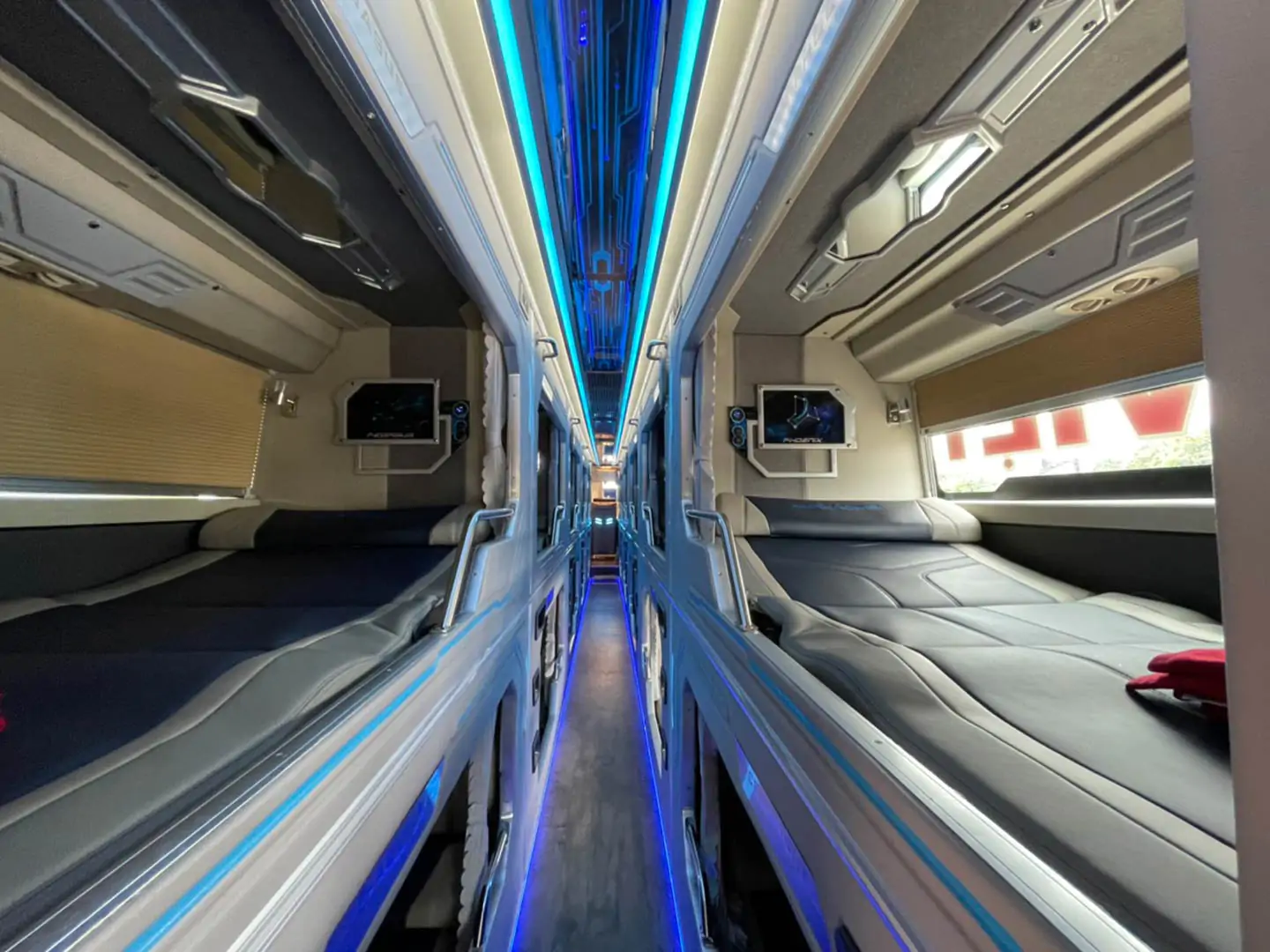
Sleeper buses are a flexible way to travel between tourist hubs that are not always well served by rail. The experience is more functional than scenic, but reclining berths, overnight departures and direct city-to-city routes make buses useful for saving both money and daytime.
Pros & cons:
|
Pros |
Cons |
|
• Wide route coverage: Buses reach destinations such as Sa Pa, Ha Giang, Da Lat and Mui Ne that require transfers by train. • Budget-friendly: Standard sleepers often cost less than flights or private transfers. • Overnight departures: Night services can save a hotel night and preserve daytime for sightseeing. • Flexible booking: Individual legs are easy to book and change compared with fixed multi-city transport plans. |
• Comfort varies: Berths can feel narrow, especially for taller travelers. • Operator standards differ: Driving style, punctuality, cleanliness and onboard service vary significantly. • Road conditions affect timing: Traffic, weather and mountain roads can delay arrivals. • Sleep quality can be poor: Frequent stops, horns and road movement may make overnight travel tiring. |
Best-suited routes:
Costs & booking channels:
Target Audience: Best for backpackers and travelers who prioritize flexible routes and reasonable transport costs over extra comfort.
Pro-tips & safety:
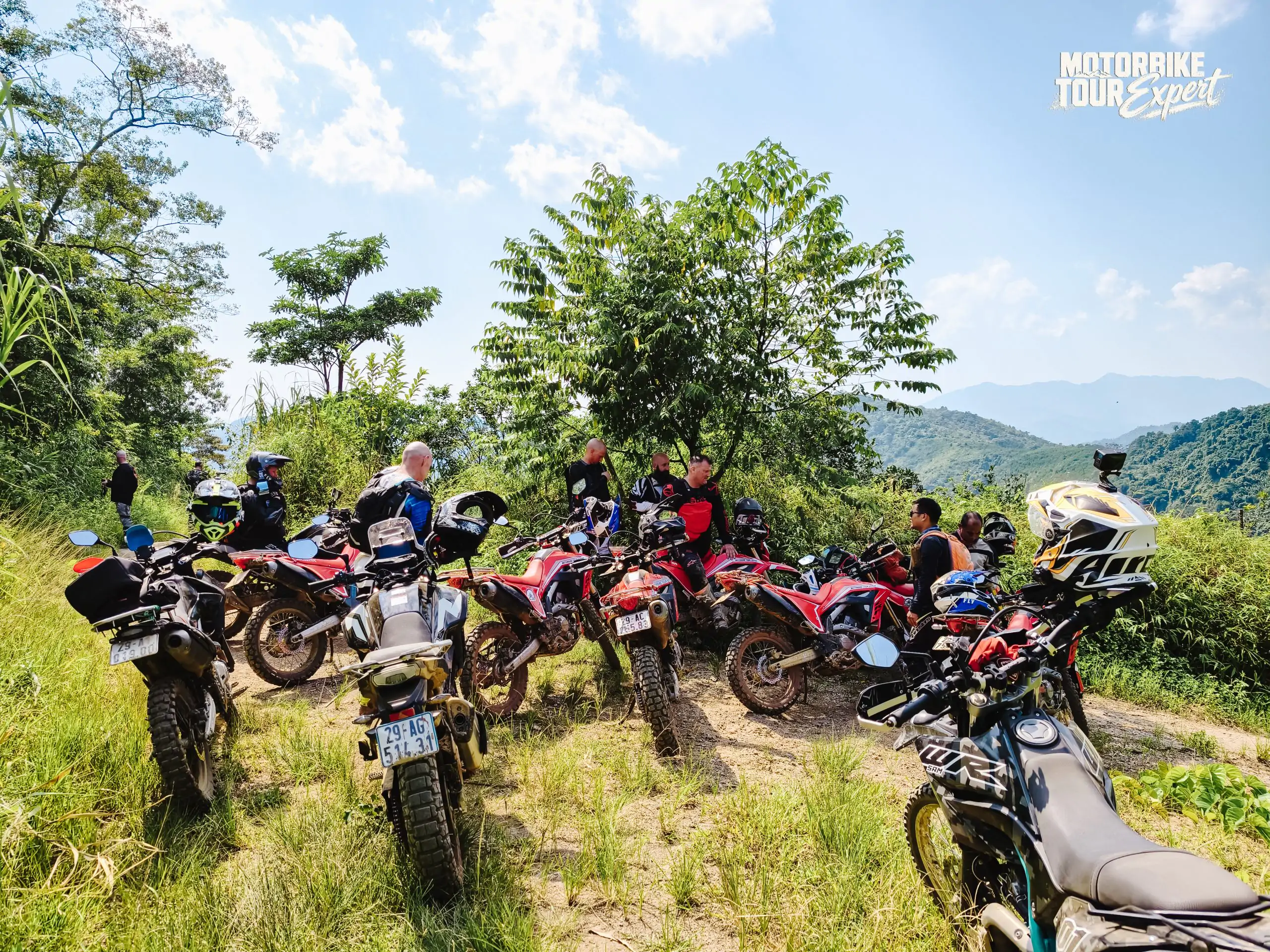
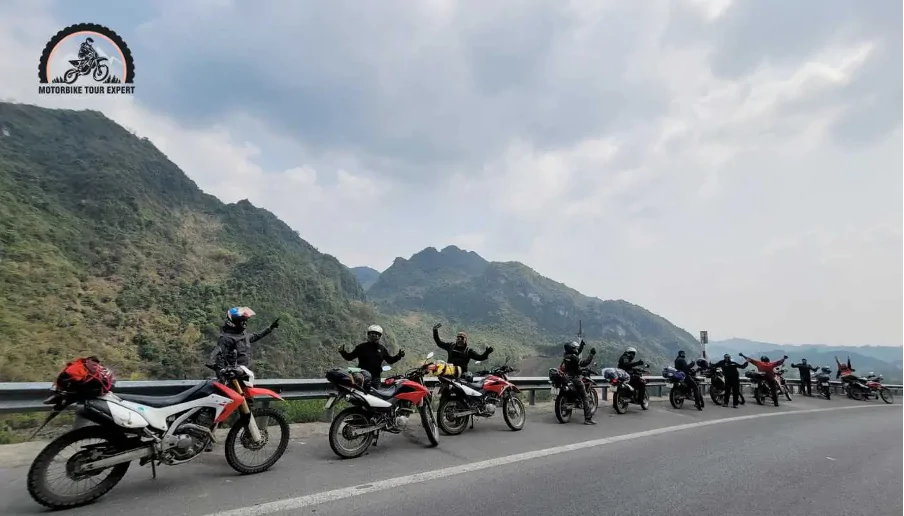
Self-riding gives you the most freedom to stop at viewpoints, small villages and backroads that public transport misses. It is also the most demanding option: progress is slower, road conditions can change quickly and you must meet Vietnam’s licensing requirements before riding legally.
Pros & cons:
|
Pros |
Cons |
|
• Maximum flexibility: Stop when you want, change routes and reach places beyond normal bus or rail networks. • Immersive scenery: Mountain passes, coastal roads and rural landscapes become part of the daily experience. • Access to remote areas: A motorbike is useful for villages, small roads and scenic detours. • Independent pace: You control departure times and how long to spend at each stop. |
• Higher safety exposure: Traffic, weather, road surfaces and long riding days increase risk. • Licensing requirements: Foreign riders need the correct motorcycle license documentation to ride legally. • Slow progress: Most travelers cover only around 100 – 200 km per day on enjoyable touring routes. • Physical fatigue: Heat, rain, luggage and repeated riding days can become tiring on a full-country trip. |
Best-suited routes:
Target audience: Best for experienced riders with a valid license, at least 3 weeks, and a high tolerance for risk.
Pro-tips & safety:
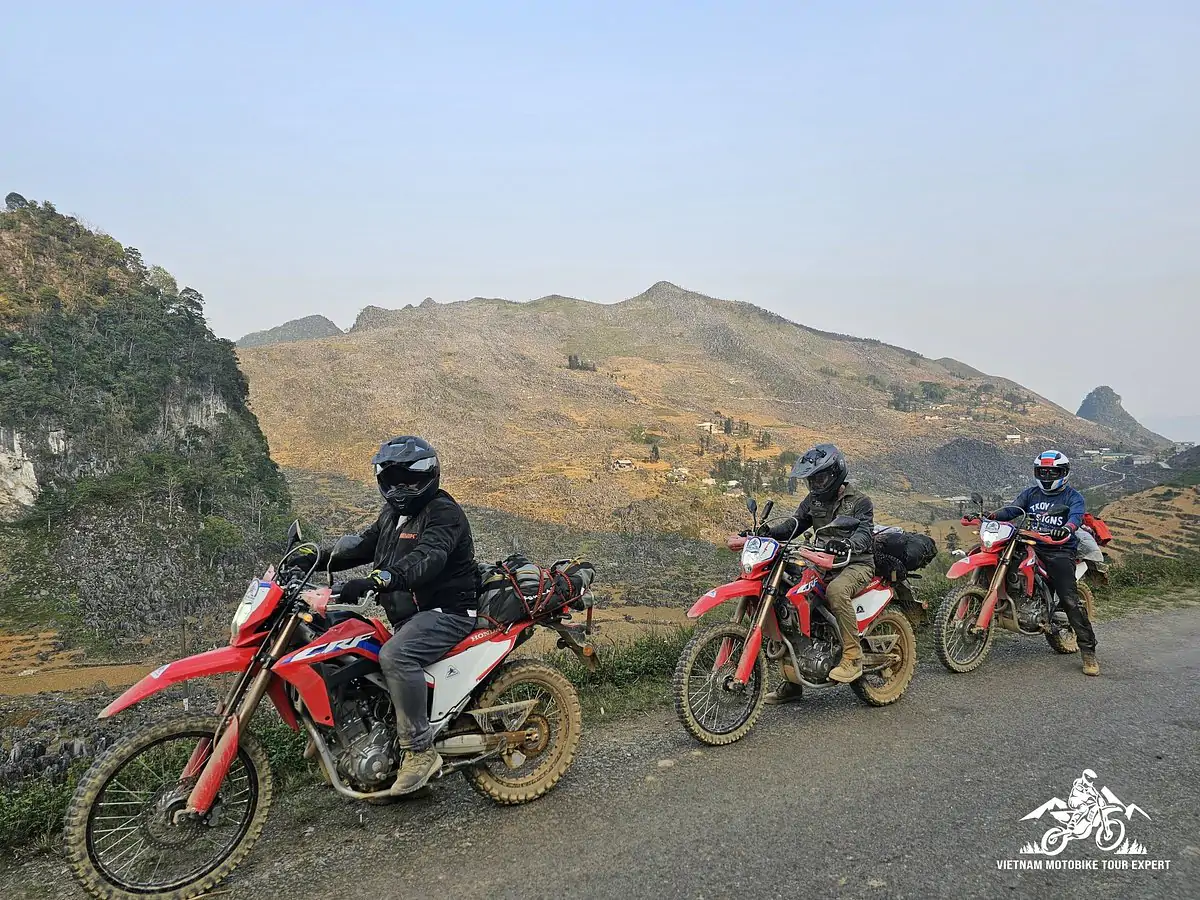
An Easy Rider tour keeps the open-road experience of a motorbike journey while removing the need to navigate or ride yourself. You travel as a passenger behind a local rider, so you can focus on mountain scenery, villages and roadside stops while the guide handles the bike and route.
Pros & cons:
|
Pros |
Cons |
|
• No riding skills needed: As a passenger, you don’t need a motorbike license or experience. • Local insight: Your guide introduces you to villages, markets, homestays and viewpoints you would likely miss on your own. • Safer on mountain roads: Experienced local riders know the roads, weather and traffic patterns. • Hassle-free logistics: Accommodation, meals, fuel and repairs are usually arranged for you. |
• Higher cost: Guided Easy Rider tours generally cost more than independent travel because the price typically includes a local rider, route support and other tour services. • Less spontaneity: Tours follow a planned itinerary, leaving less room for route changes. • Long hours as a passenger: Sitting on the back for 5 – 7 hours a day can be tiring. • Quality varies: Rider experience, bike condition and safety gear differ between operators. |
Best-suited routes:
Costs & booking channels:
Target audience: Best for first-time visitors, solo travelers, couples and anyone who wants a motorbike adventure without having to drive and manage the route themselves.
Pro-tips & safety:
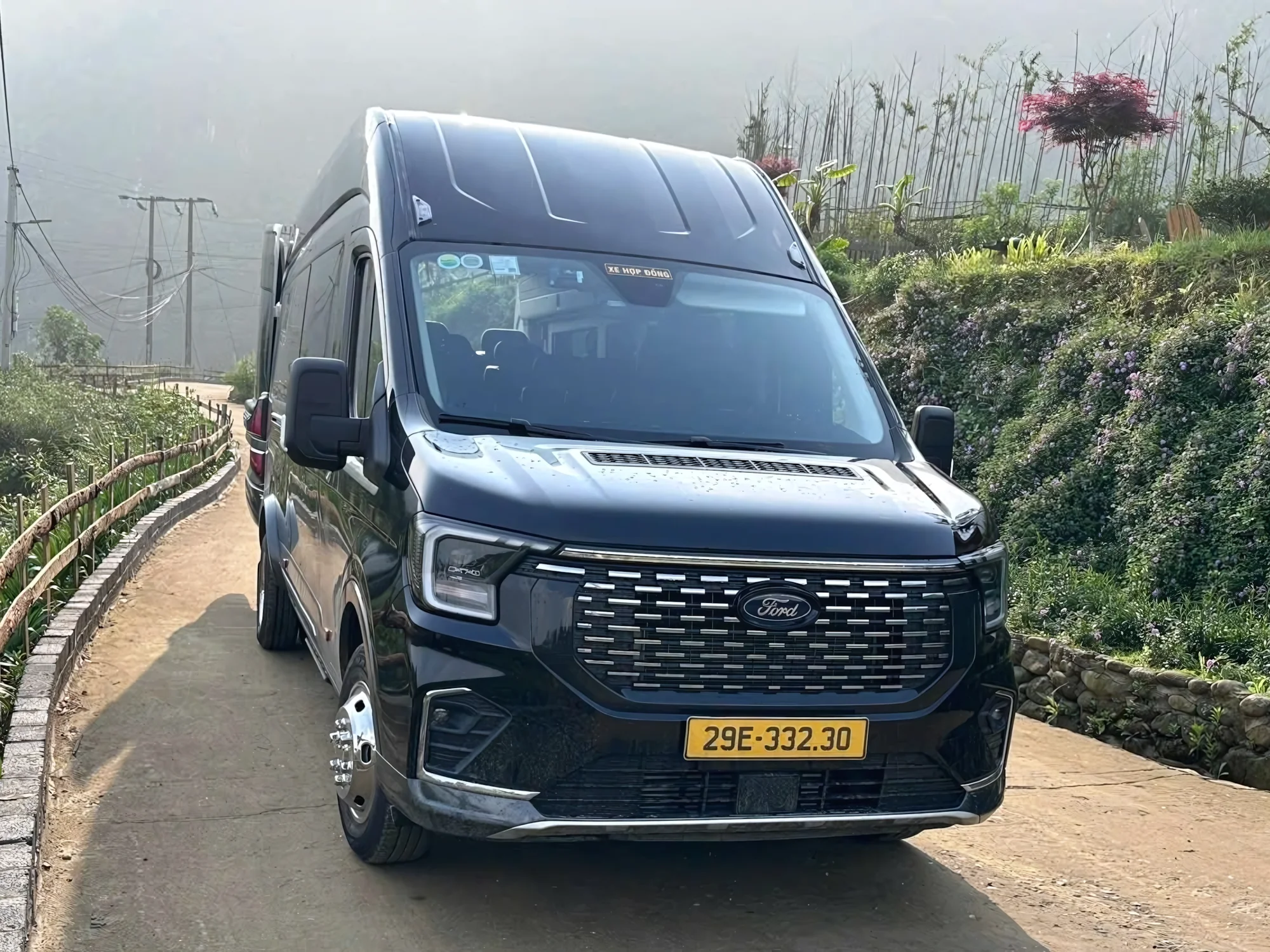
Private cars and limousine vans are among the easiest ways to handle short and medium-distance transfers. They are less immersive than trains or motorbikes, but the door-to-door convenience, luggage space and flexible stops make them particularly comfortable for families and small groups. Shared limousine vans usually carry 9 – 11 passengers, while private cars with a driver can be booked by the trip or by the day.
Pros & cons:
|
Pros |
Cons |
|
• Door-to-door service: Pickup and drop-off at your hotel, with no need to find stations. • Flexible stops: Stop at viewpoints, restaurants or attractions along the way. • High comfort: Reclining seats, air conditioning and more space for luggage. • Cost-effective for groups: Sharing a private car with family or friends can cost about the same per person as other options. |
• Expensive for solo travelers: One person usually pays more than for a bus or shared transfer. • Not ideal for long distances: Journeys over several hundred kilometers become tiring and cost more than flying. • Traffic delays: Journeys in and out of Hanoi and Ho Chi Minh City can slow down at rush hour and on holidays. • Language barrier: Many drivers speak limited English, so confirm plans in writing before departure. |
Best-suited Routes
Costs & booking channels:
Target audience: Best for families, older travelers, small groups and anyone who prioritizes comfort and convenient transfers.
Pro-tips & safety:
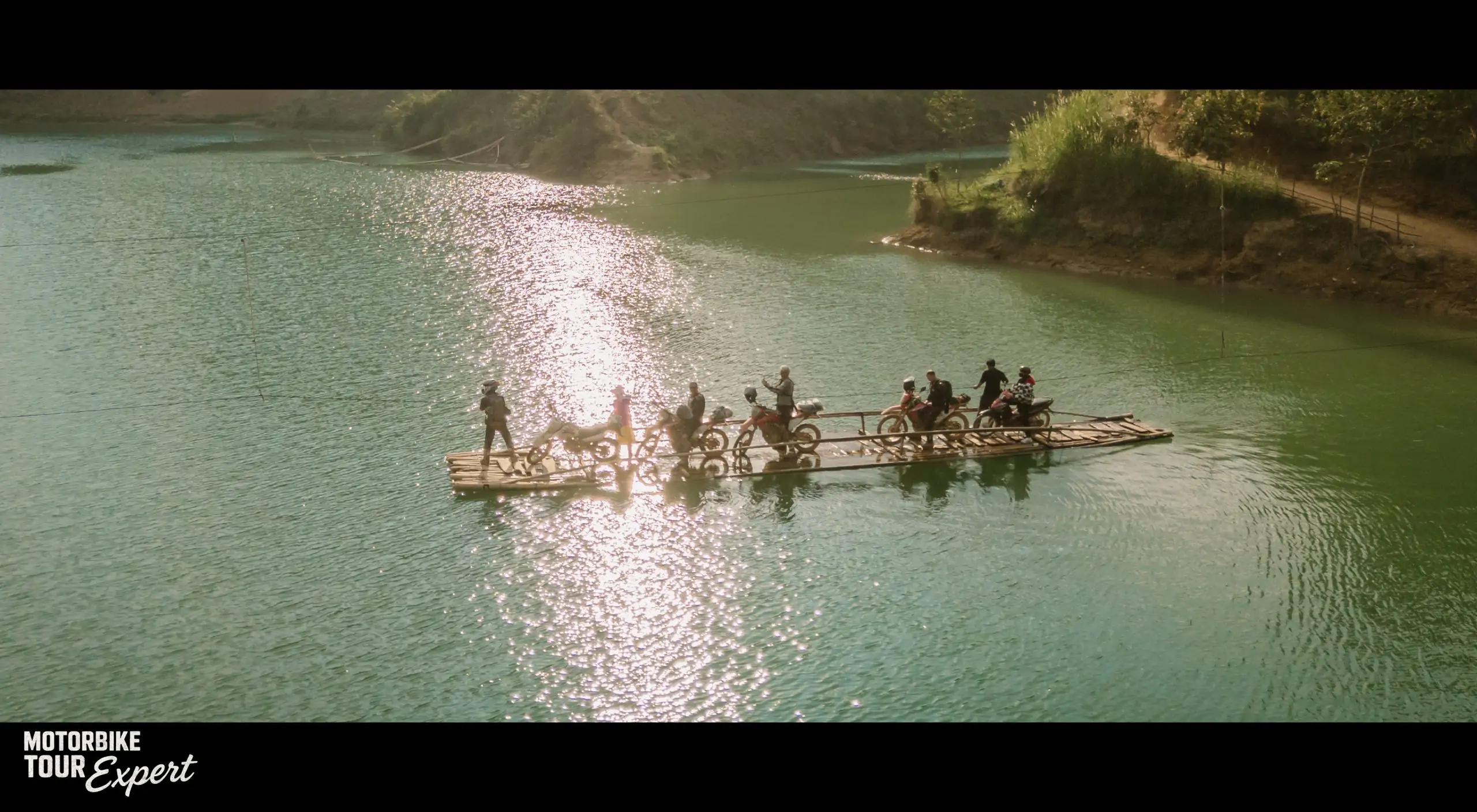
Water transport is not a continuous north – south travel method, but it adds some of the most memorable experiences along the route. Waking up to limestone islands rising from emerald water in Ha Long Bay, gliding through river caves on a rowing boat in Ninh Binh or watching boats trade fruit at a Mekong Delta floating market are moments many travelers remember most. Popular options include overnight cruises, sampan rides, island ferries and river boats.
Pros & cons:
|
Pros |
Cons |
|
• Unique scenery: Explore limestone bays, river caves, islands and waterside communities from a different angle. • Relaxing pace: A welcome break between long road or rail journeys. • Activities included: Many cruises include kayaking, swimming, cave visits and cooking classes. • Cultural insight: Visit floating villages, riverside markets and local communities. |
• Weather-dependent: Cruises and ferries may be delayed or suspended during storms. • Sightseeing rather than transport: Boats rarely replace road, rail or air travel for long distances. • Hidden extra costs: Drinks, kayaking and transfers are not always included in the price. • Crowds at popular spots: Ha Long Bay and Trang An can be busy on weekends and holidays. |
Best-suited routes:
Costs & booking channels:
Target audience: Suitable for most travelers, especially first-time visitors who want to include a scenic water experience in their Vietnam itinerary.
Pro-tips & safety:
Within major cities, the best experience usually comes from mixing walking with Grab, public buses and metro where available. These options are not for long-distance north – south travel, but they make the city segments of your journey cheaper and easier to manage independently.
Pros & cons:
|
Pros |
Cons |
|
• Upfront fares: Grab shows the price before you book, so there is no need to negotiate. • Easy for foreigners: Apps work in English, so you don’t need to speak Vietnamese. • Low cost: Metro fares and short Grab bike rides are very affordable. • Wide availability: Grab cars and bikes are available across major cities around the clock. |
• Rush-hour traffic: Heavy traffic can slow journeys considerably in the morning and evening. • Limited metro coverage: Metro lines in Hanoi and Ho Chi Minh City cover only a few corridors, and Ho Chi Minh City still has only Line 1. • Cyclo overcharging: Street cyclo drivers may overcharge if you don’t agree on the price first. • Weather exposure: Motorbike taxis leave you exposed to heat, rain and pollution. |
Best-suited routes:
Costs & booking channels:
Target audience: Suitable for all travelers, especially those exploring major cities independently.
Pro-tips & safety:
Cycling works best for short-distance exploration, especially in rural areas. Pedaling slowly along small roads, you pass rice fields, water buffalo and village homes, and can stop to greet farmers or try local snacks that travelers in cars and buses usually miss.
Pros & cons:
|
Pros |
Cons |
|
• Low cost: Many hotels lend bicycles for free or for a small fee. • Eco-friendly: A clean and quiet way to explore the countryside. • Immersive experience: Travel slowly enough to see village life up close. • Access to narrow lanes: Reach small paths between rice fields that cars can’t use. |
• Heat and humidity: Longer rides can be tiring, especially around midday. • Not for intercity travel: Distances between cities are too long for most travelers. • Basic rental bikes: Hotel bikes often have no gears and may need a quick check before riding. • Busy main roads: There are few bike lanes, so traffic on main roads can be stressful. |
Best-suited routes:
Costs & booking channels:
Target audience: Best for active travelers, couples and families planning short countryside outings.
Pro-tips & safety:
When planning your route from Hanoi in the north down to Ho Chi Minh City in the south, consider three main factors:
Trip duration:
Season:
Travel style:
A well-planned Vietnam trip uses faster transport for long distances and slower options where the journey is worth experiencing:
The best way to travel Vietnam north to south is not to rely on one transport option, but to combine them based on distance, comfort and the experience you want. Flights work well for long stretches, while trains, motorbikes, boats and cycling make scenic regions more memorable. Motorbike Tour Expert hopes this guide helps you build a smoother and more rewarding journey.
LET'S RIDE WITH US
 Duration:
4 Days/ 3 Nites
Destinations:
Hanoi - Vu Linh - Phu Yen - Moc Chau - Mai Chau - Hanoi.
Tour Level:
Chill Level Tours
Duration:
4 Days/ 3 Nites
Destinations:
Hanoi - Vu Linh - Phu Yen - Moc Chau - Mai Chau - Hanoi.
Tour Level:
Chill Level Tours
 Duration:
8 Days/ 7 Nites
Destinations:
Hanoi - Hoi An
Tour Level:
Chill Level Tours
Duration:
8 Days/ 7 Nites
Destinations:
Hanoi - Hoi An
Tour Level:
Chill Level Tours
 Duration:
15 Days / 14 Nites
Destinations:
Hanoi - HCM city
Tour Level:
Chill Level Tours
Duration:
15 Days / 14 Nites
Destinations:
Hanoi - HCM city
Tour Level:
Chill Level Tours
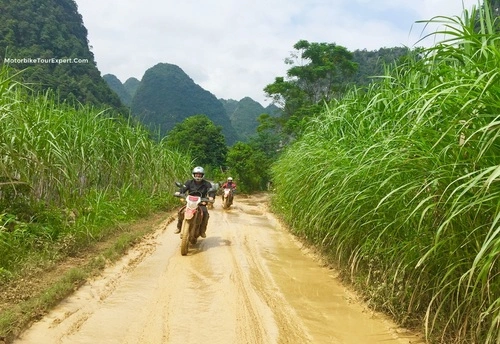 Duration:
17 Days/ 16 Nights
Destinations:
Hanoi - Hoi An
Tour Level:
Chill Level Tours
Duration:
17 Days/ 16 Nights
Destinations:
Hanoi - Hoi An
Tour Level:
Chill Level Tours
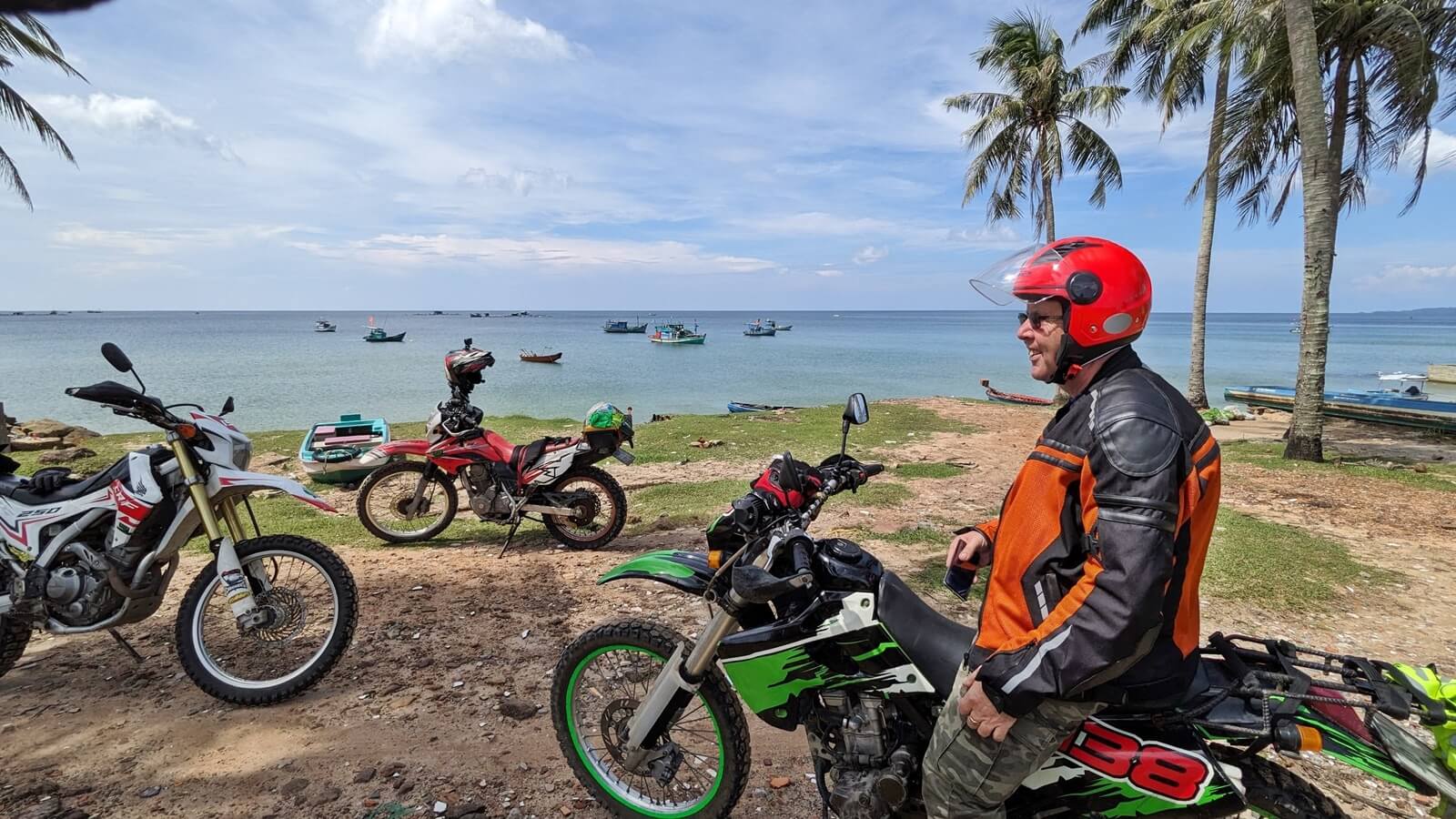 Duration:
6 Days/ 5 Nights
Destinations:
Ho Chi Minh City - Me Kong delta
Tour Level:
Chill Level Tours
Duration:
6 Days/ 5 Nights
Destinations:
Ho Chi Minh City - Me Kong delta
Tour Level:
Chill Level Tours
 Duration:
6 Days/ 5 Nites
Destinations:
Hanoi - Dong Van
Tour Level:
Chill Level Tours
Duration:
6 Days/ 5 Nites
Destinations:
Hanoi - Dong Van
Tour Level:
Chill Level Tours
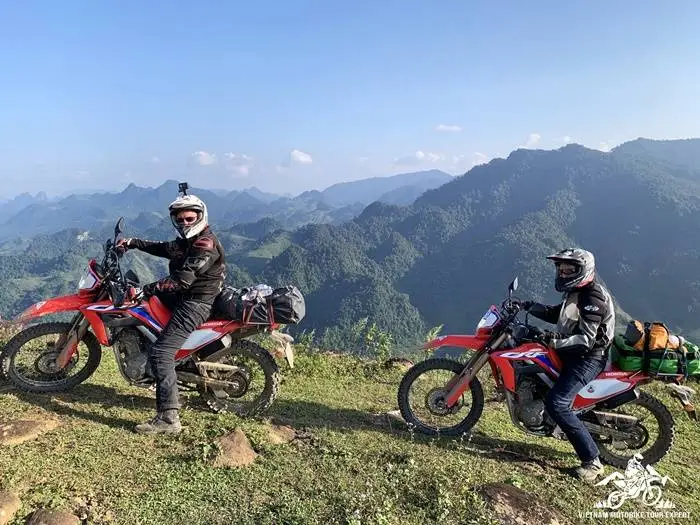 Duration:
4 Days/3 Nites
Destinations:
Hanoi - Thac Ba lake
Tour Level:
Chill Level Tours
Duration:
4 Days/3 Nites
Destinations:
Hanoi - Thac Ba lake
Tour Level:
Chill Level Tours
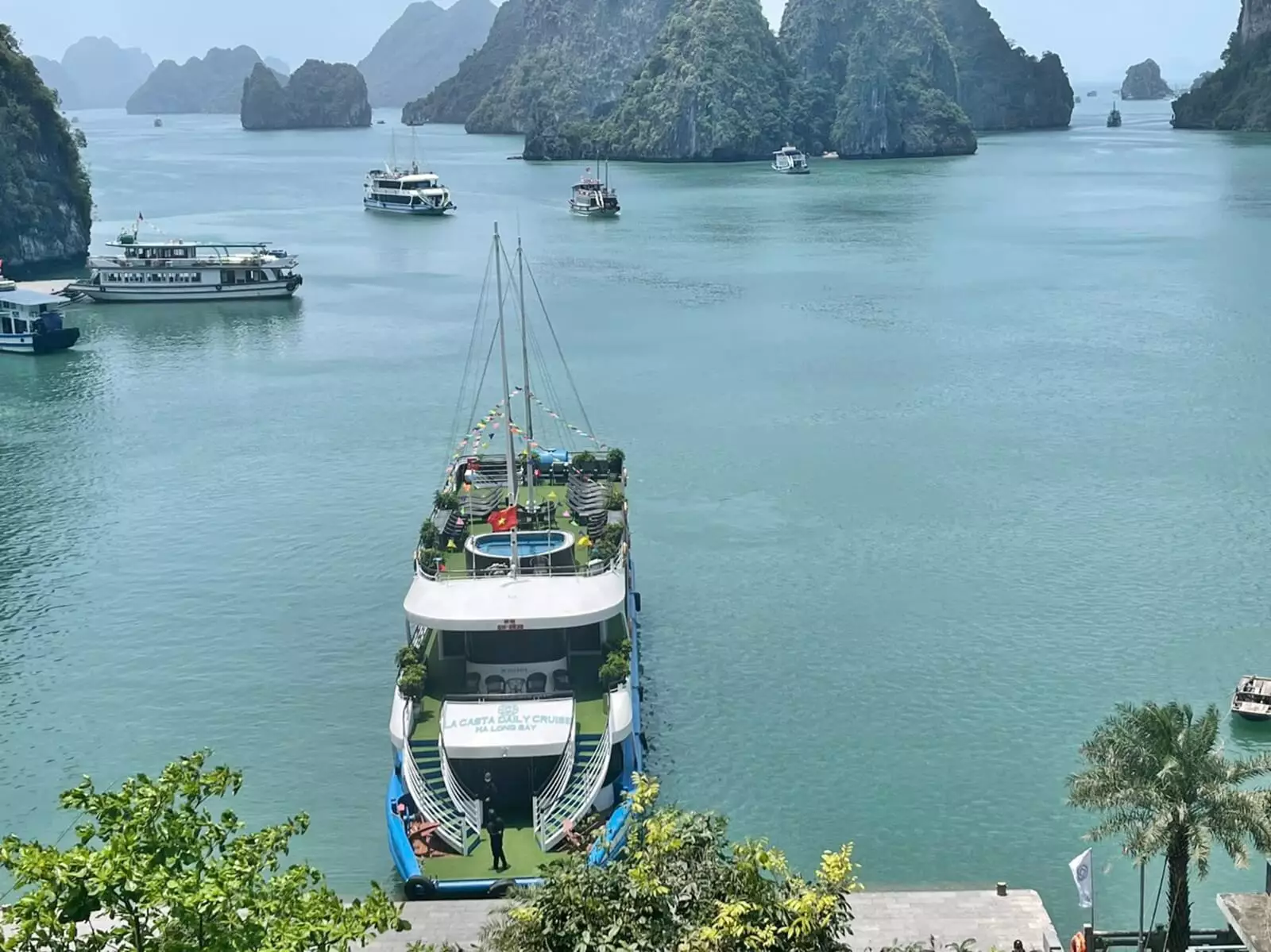 Duration:
7 Days / 6 Nites
Destinations:
Hanoi - Hanoi
Tour Level:
Chill Level Tours
Duration:
7 Days / 6 Nites
Destinations:
Hanoi - Hanoi
Tour Level:
Chill Level Tours
4-Day Northern Vietnam Motorbike Tour From Hanoi
 Duration:
4 Days/ 3 Nites
Duration:
4 Days/ 3 Nites
 Tour Level:
Chill Level Tours - Moderate Level Tours
Tour Level:
Chill Level Tours - Moderate Level Tours
Experience the authentic Vietnam
Ride off the beaten track
Visit beautiful Thac Ba Lake
Interact with lovely local people
Riding some scenic offroad tracks
Enjoy a variety of local foods
8-Day Motorcycle Tour Ho Chi Minh Trail
Duration:
8 Days/ 7 Nites
Tour Level:
Chill Level Tours - Moderate Level Tours
Learn about interesting history of Vietnam
Ride historical Ho Chi Minh trail
Ride off the beaten track
Interact with lovely local people
Experience the authentic Vietnam
Ride some beautiful coastlines
15-Day Grand Ho Chi Minh Trail Motorbike Tour
Duration:
15 Days / 14 Nites
Tour Level:
Chill Level Tours - Moderate Level Tours
Experience the authentic Vietnam
Ride off the beaten track
Enjoy a variety of local foods
Interact with lovely local people
Explore the Ho Chi Minh trail
Discover fully Vietnam history & culture
17-Day Motorbike Tour Around Vietnam
Duration:
17 Days/ 16 Nights
Tour Level:
Challenging Level Tours - Moderate Level Tours
Experience the REAL VIETNAM
Ride off the beaten track/ Ho Chi Minh trail
Visit most of the "MUST SEE" landscapes in Vietnam
Interact with lovely local people
Scenic offroad trails/coastlines
Enjoy a variety of local foods
6-Day Mekong Delta and Coastline Vietnam Motorbike Tour
Duration:
6 Days/ 5 Nights
Tour Level:
Chill Level Tours
- Off the beaten track
- Motobike tour with local driver
- Meeting more friend long life
- Try Vietnam cuisine
- Meditation/ swimming on waterfall
- Family Dinner and more
6-Day Amazing Motorbike Tour To Ha Giang
Duration:
6 Days/ 5 Nites
Tour Level:
Challenging Level Tours - Moderate Level Tours
Experience the authentic Vietnam
Ride off the beaten track
Discover the hidden gem of Ha Giang
Ride scenic single tracks
Interact with lovely local people
Explore a variety of the local traditions
4-Day Special Offroad Motorbike Tour Vietnam
Duration:
4 Days/3 Nites
Tour Level:
Challenging Level Tours - Moderate Level Tours
Interact with lovely local people
Fun & Scenic offroad
Swimming at the largest lake in Nam
Ride off the beaten track
Special experience at the homestay
Experience the authentic Vietnam
7-Day Motorcycle Tour Halong and Northeast
Duration:
7 Days / 6 Nites
Tour Level:
Chill Level Tours
Experience authentic Vietnam
Ride off the beaten path
Interact with lovely local people
Explore world heritage Ha Long Bay
Visit Cao Bang & Ban Gioc Waterfall
Enjoy scenic offroad trails