Your message has been sent. Thank you!
 Your message has been sent. Thank you!
I'm ready to book
Hmm, I still need more information
My information
Detailed information
From $ USD
Ho Chi Minh Trail Motorcycle Tour – 12 Days

Duration:
12 Days/ 11 Nites

Destinations:
Hanoi - Nha Trang

Tour Level:
More offroad (>40%)

Highlight:
Destination:
Ha Noi
Mai Chau
Tan Ky
Phong Nha
Ke Bang National park
Khe Sanh
Vinh Moc tunnels
Hue
Da Nang
Hoi An
Kon Tum
Buon Me Thuat
Lak Lake
Nha Trang
Pickup from:
Hanoi, Airport or any hotel in Ha Noi city
Suitable Bikes:
Honda XR150L, Honda CRF300L,


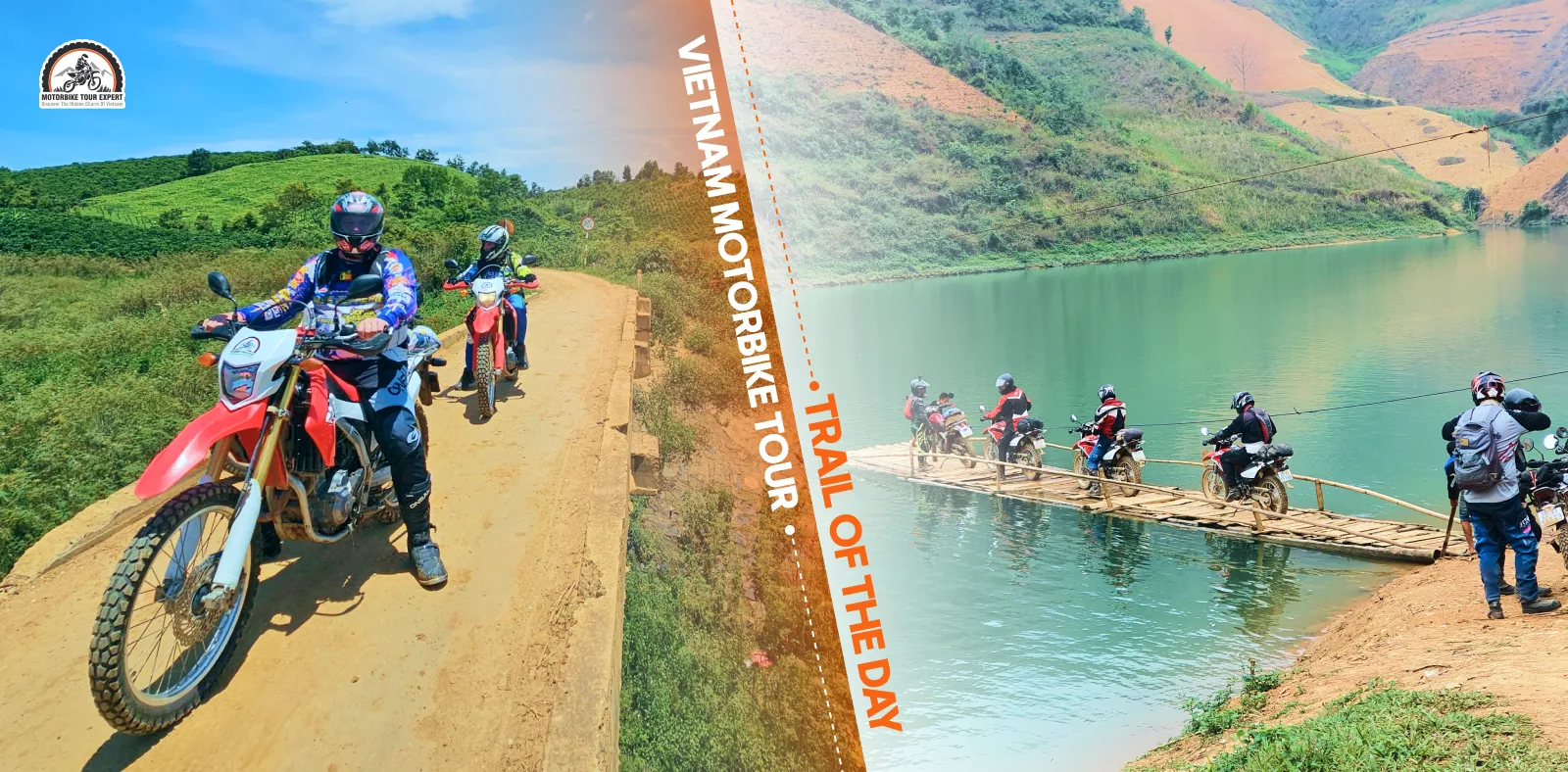

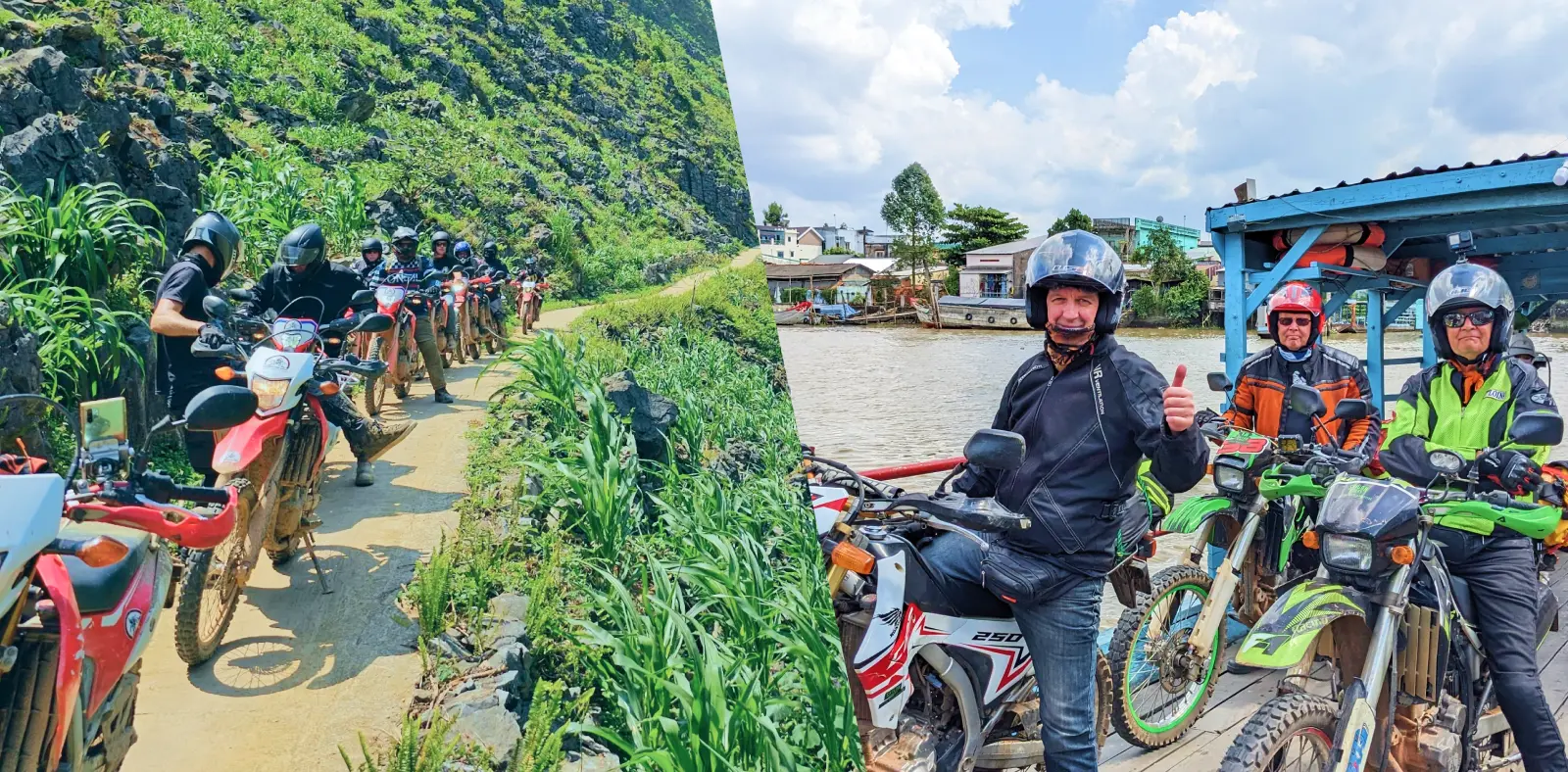

Planning a trip to Northern Vietnam can be exciting, but choosing the right destinations, deciding how long to stay and creating a practical route can quickly feel overwhelming. This North Vietnam travel guide brings together everything you need to organize your journey with confidence, from must-visit destinations and suggested itineraries to the best travel seasons, transport options and practical tips for a smoother trip.
Northern Vietnam is home to some of the country’s most diverse landscapes. The destinations below are among the most rewarding places to include in your itinerary, each offering a different side of the North.
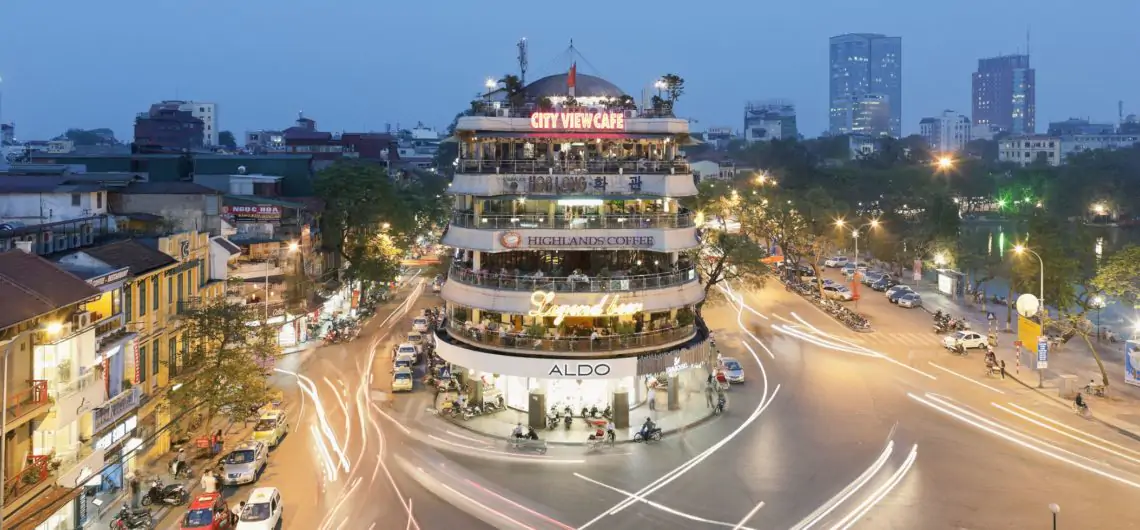
Almost every North Vietnam trip starts in Hanoi, and it’s worth giving the capital at least a day or two. The city mixes 1,000 years of history with scooter-filled streets, French colonial buildings and some of the best street food in the country.
Thousands of limestone islands rising from green water make this UNESCO-listed area the most famous image of Vietnam. Ha Long Bay is the classic choice, while Lan Ha Bay and Cat Ba Island feel quieter and less crowded.
Often called “Ha Long Bay on Land,” Ninh Binh stands out for its limestone mountains, winding rivers and wide rice fields. The peaceful scenery makes it especially appealing if you want to combine nature, culture and slower-paced exploration.
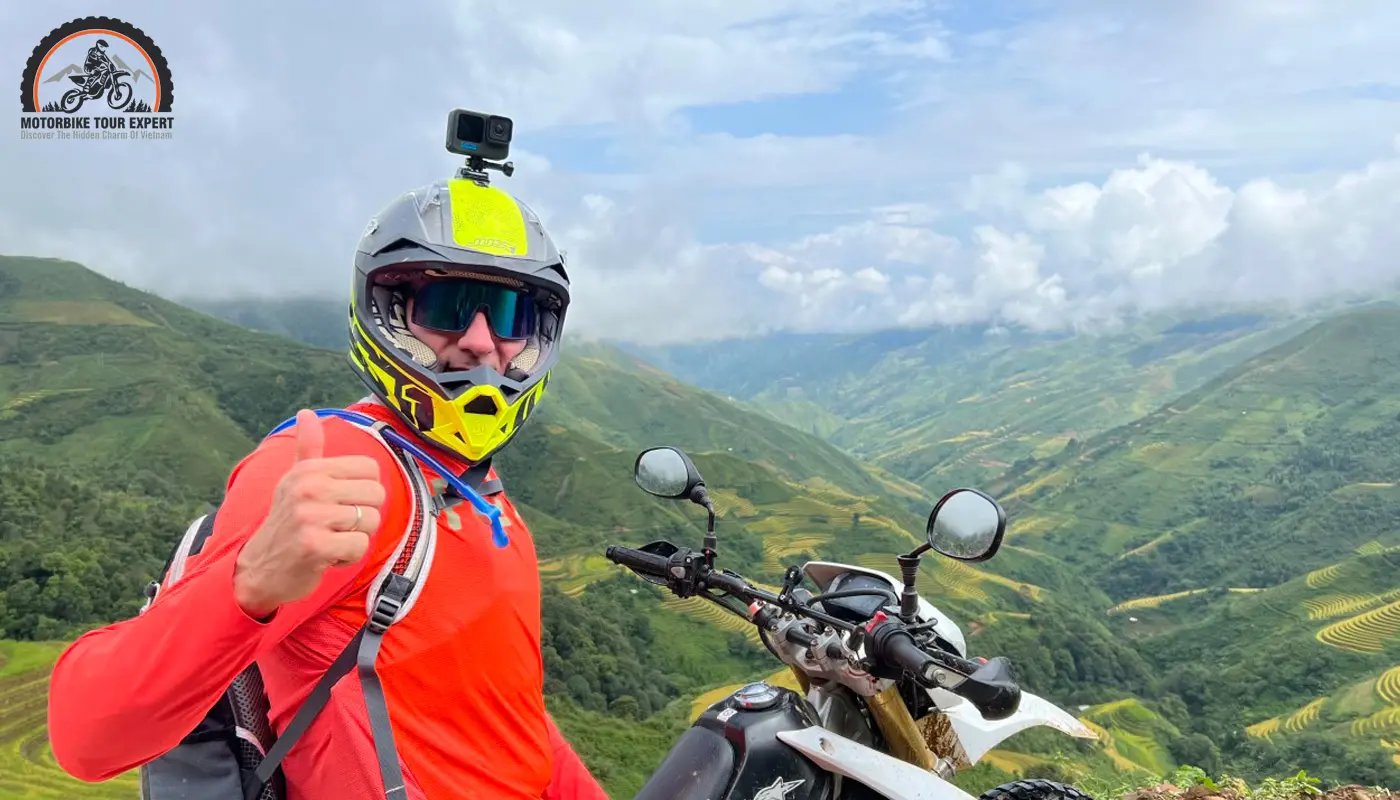
High in the mountains of Lao Cai, Sa Pa is known for cool weather, terraced rice fields and villages scattered across deep valleys. It is a rewarding stop for travelers who enjoy trekking, mountain views and opportunities to learn more about local ethnic cultures.
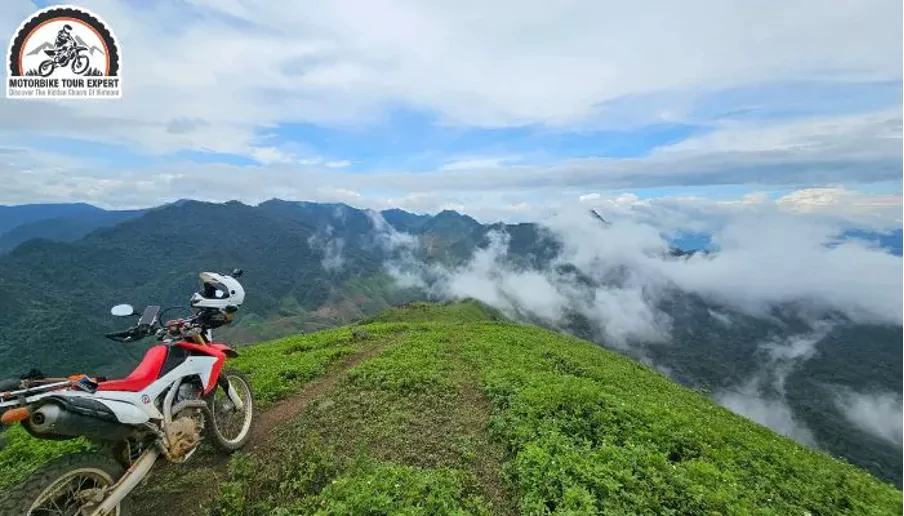
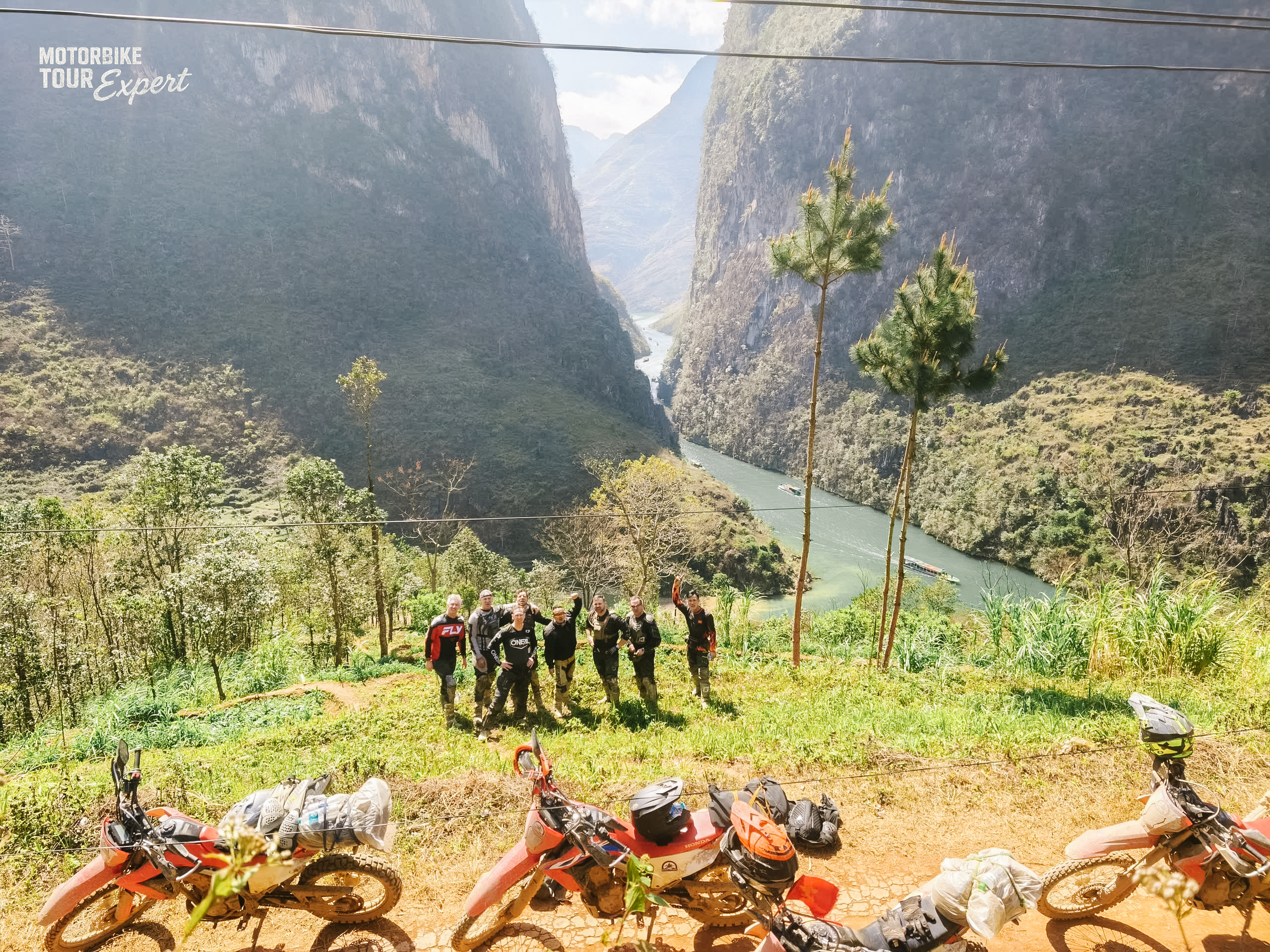
Few places in Northern Vietnam feel as adventurous as Ha Giang, where winding roads cut through towering mountains and deep valleys. The famous Ha Giang Loop brings you close to some of the region’s most dramatic passes, remote villages and unforgettable viewpoints.
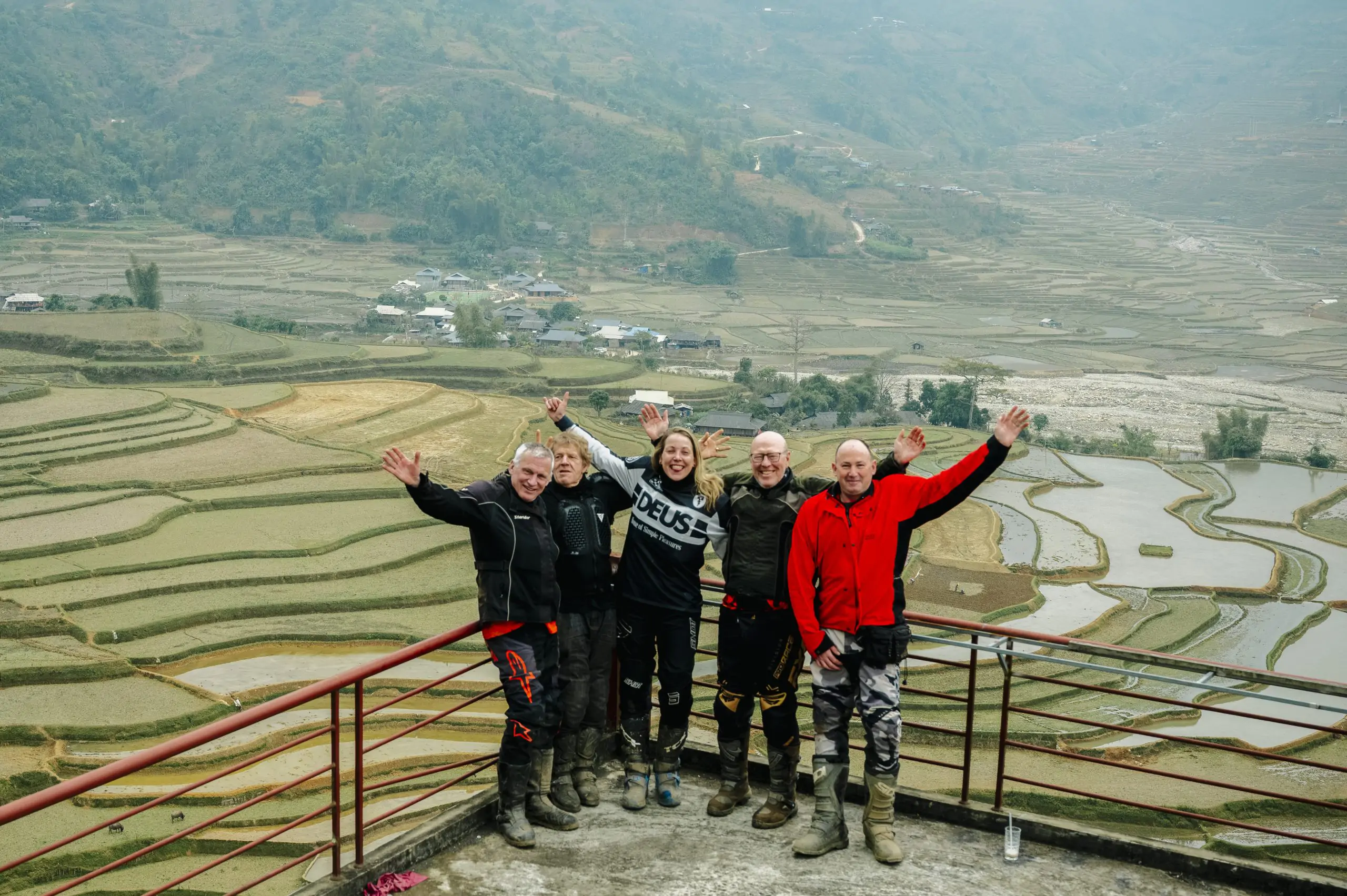
If you are looking for a quieter side of Northern Vietnam, Mai Chau and Pu Luong offer a refreshing change of pace. Rice fields, traditional villages and green valleys create a relaxed setting for cycling, trekking and spending more time in the countryside.
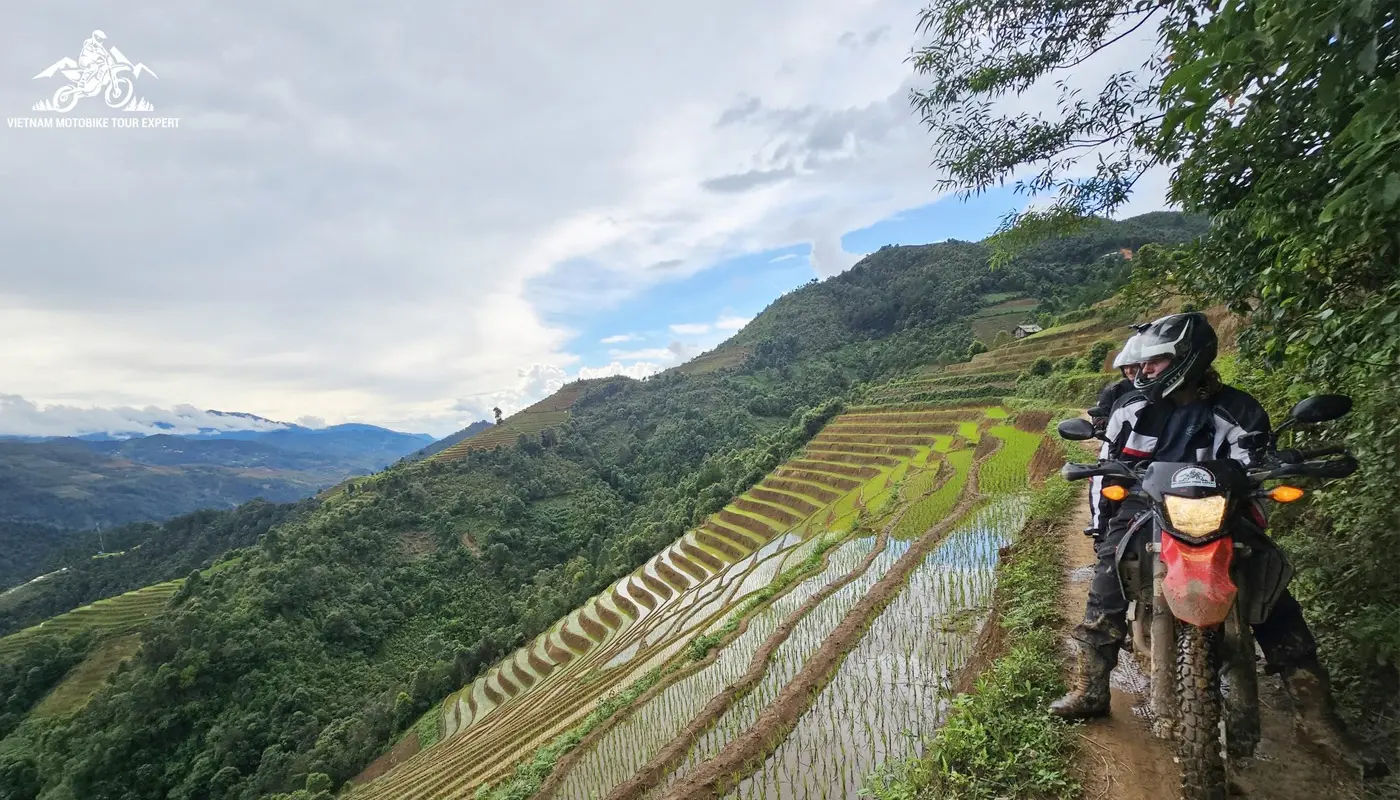
Mu Cang Chai is best known for its sweeping rice terraces carved into steep mountain slopes. During the rice season, the landscape becomes especially striking, making this area a favorite for scenic drives, photography and village walks.
Ba Be and Cao Bang reveal a more remote side of Northern Vietnam, shaped by freshwater lakes, limestone mountains, caves and waterfalls. Together, they are a great choice if you prefer nature-focused journeys and want to explore beyond the country’s more familiar travel routes.
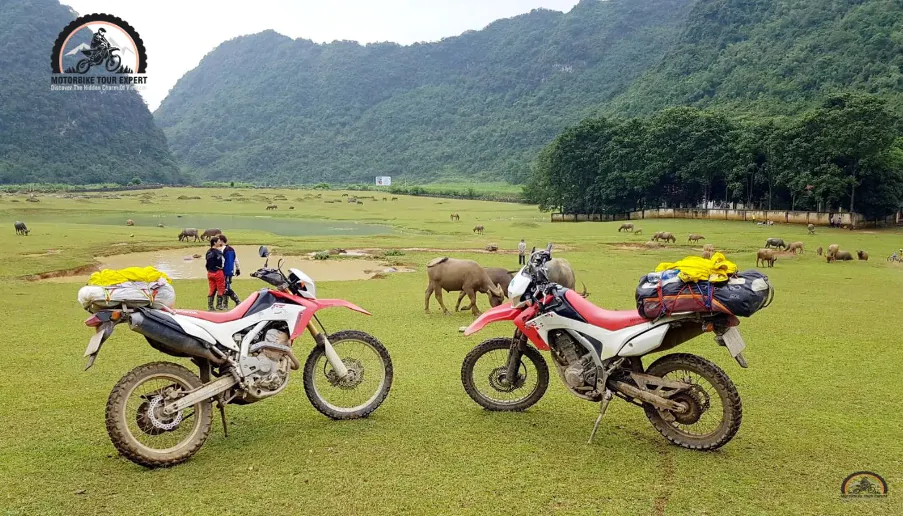
Whether you are traveling for 7, 10 or 14 days, the following itineraries help you combine key destinations while keeping travel time manageable and the journey enjoyable.
A good first trip combining culture, countryside, mountains and the coast:
If mountains are your priority, replace Ha Long Bay with two days in Sa Pa.
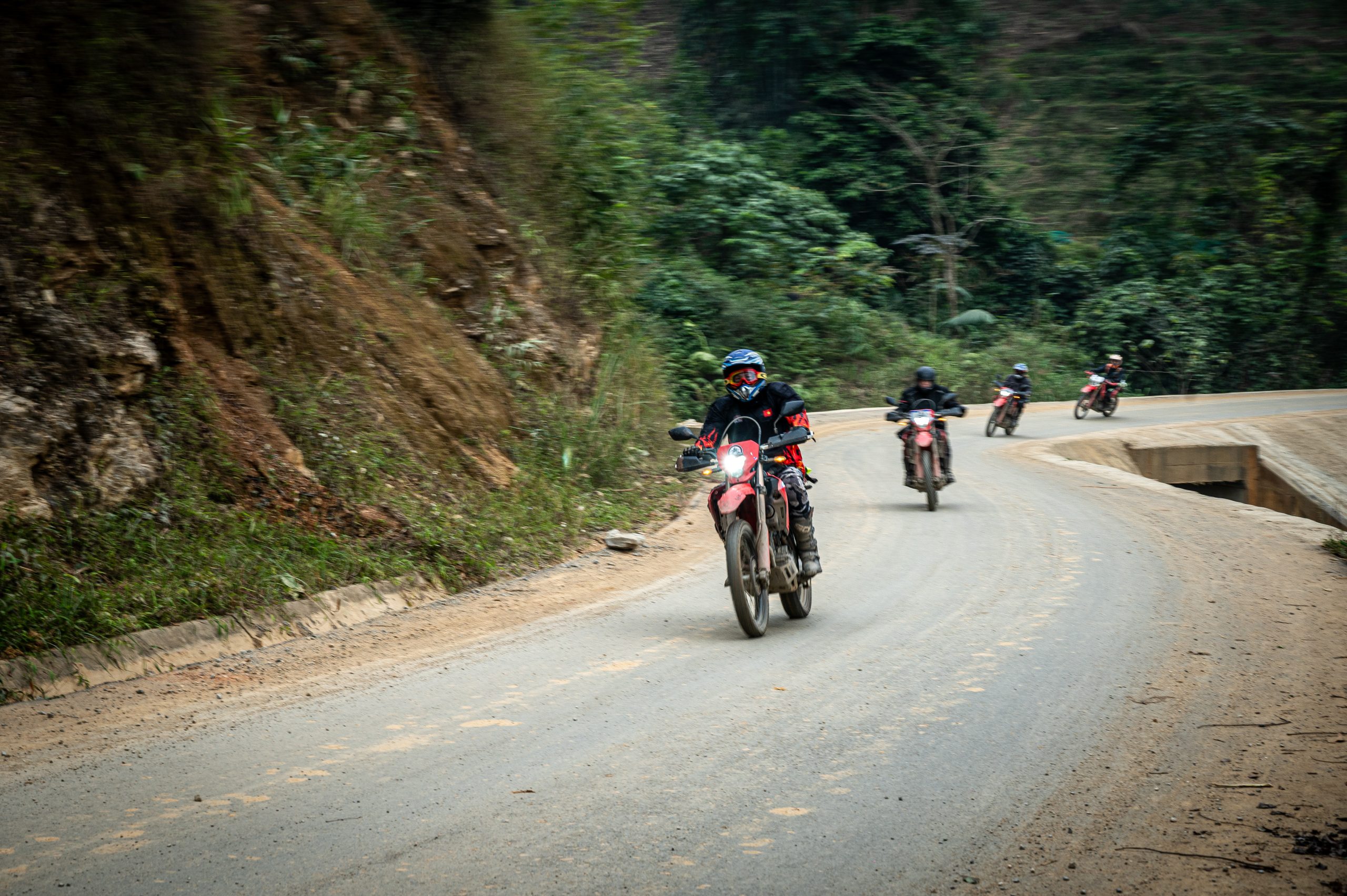
With 10 days, you have more flexibility to combine Northern Vietnam’s major highlights without making the schedule feel too rushed:
For a slower trip, skip Ha Giang and spend an additional night each in Ninh Binh and Sa Pa.
The itinerary below is ideal if you want to experience remote mountain regions, scenic road journeys and rural landscapes at a more immersive pace:
This route involves several long road journeys. A private car with driver or carefully coordinated transfers will make the itinerary considerably more comfortable.
Unlike the South, Northern Vietnam has four distinct seasons, and the mountains can be 8 – 10°C cooler than Hanoi. Here’s what to expect month by month:
|
Period |
Avg. temperature (low-high) |
Weather |
Best for |
|
March – April |
20°C – 26°C |
Mild and humid, with frequent drizzle and little sun in March. Warmer and rainier by late April. |
Hanoi, Ninh Binh, Mai Chau, Ha Giang, Sa Pa trekking |
|
May – June |
28°C – 33°C |
Hot and muggy in the lowlands as the rainy season begins. Water-filled terraces in the mountains. |
Mu Cang Chai, Pu Luong, cool mountain escapes |
|
July – August |
29°C – 34°C |
Wettest months, with heavy downpours and typhoon risk. Ha Long cruises may be cancelled and mountain trails get slippery. |
Flexible trips with backup days |
|
September – October |
24°C – 30°C |
Golden rice harvest. September is still fairly wet; October is cooler and drier. |
Sa Pa, Mu Cang Chai, Pu Luong |
|
November |
22°C – 23°C |
Dry, cooler and one of the most comfortable months. |
Ha Giang, Hanoi, Ninh Binh, Ha Long Bay |
|
December – February |
10°C – 18°C |
Dry but often grey with drizzle. Cold snaps bring frost and occasional snow in the highlands. |
Hanoi city breaks, Ha Giang flower season, atmospheric highland trips |
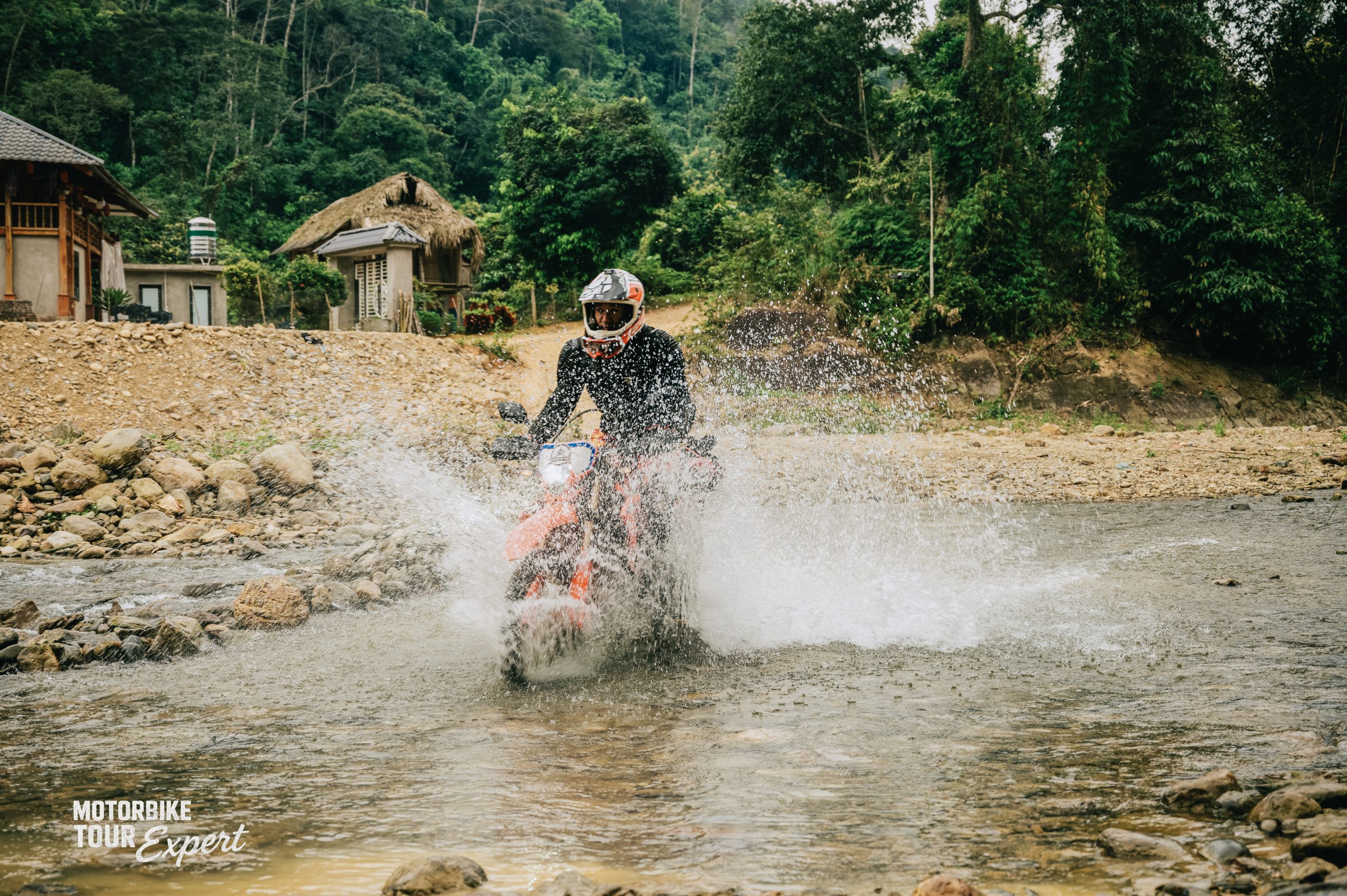
What if you can only travel in the rainy season?
Rain peaks in July and August, and storms can be serious. If you’re travelling in this period, we recommend you:
Depending on your route, travel style and comfort level, you can combine buses, trains, private transfers and motorbikes with hotels, homestays or overnight cruises.
Getting between destinations in Northern Vietnam is relatively straightforward. Here are the main transport options to consider:
|
Motorbike tips for traveling in Northern Vietnam:
Want to explore Northern Vietnam by motorbike with less hassle? WE offers guided tours with well-maintained bikes, experienced local guides and carefully planned routes, including Ha Giang and Mu Cang Chai. [Explore here] |

Choose accommodation based on your route, preferred atmosphere and the activities you want nearby:
Food is a big part of traveling through Northern Vietnam, with each destination offering its own local specialties and flavors. These are some of the regional favorites worth trying along the way:
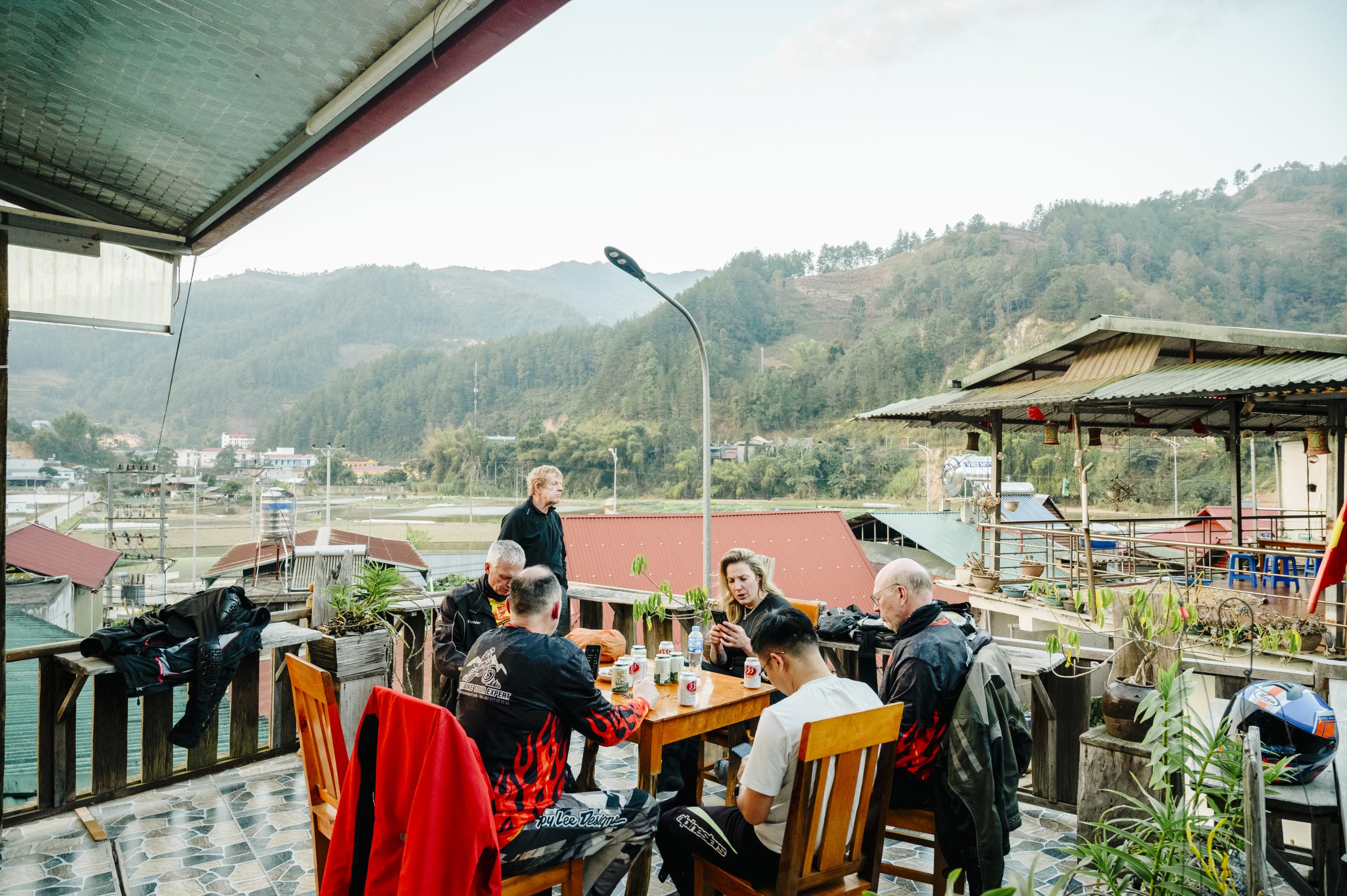
Traveling responsibly helps protect Northern Vietnam’s landscapes while supporting the communities you visit. A few simple choices can make your journey more respectful, safer and more sustainable:
Northern Vietnam offers an incredible mix of historic cities, mountain landscapes, peaceful countryside and distinctive local food. With the right route, enough travel time and a little flexibility, you can experience the region at a comfortable pace without trying to fit too much into one trip. We hope this North Vietnam travel guide helps you plan a smoother journey and choose the destinations that best match your interests.
LET'S RIDE WITH US
 Duration:
4 Days/ 3 Nites
Destinations:
Hanoi - Vu Linh - Phu Yen - Moc Chau - Mai Chau - Hanoi.
Tour Level:
Chill Level Tours
Duration:
4 Days/ 3 Nites
Destinations:
Hanoi - Vu Linh - Phu Yen - Moc Chau - Mai Chau - Hanoi.
Tour Level:
Chill Level Tours
 Duration:
9 Days / 8 Nites
Destinations:
Hanoi - Hanoi
Tour Level:
Chill Level Tours
Duration:
9 Days / 8 Nites
Destinations:
Hanoi - Hanoi
Tour Level:
Chill Level Tours
 Duration:
8 Days/ 7 Nites
Destinations:
Hanoi - Ba Be lake
Tour Level:
Chill Level Tours
Duration:
8 Days/ 7 Nites
Destinations:
Hanoi - Ba Be lake
Tour Level:
Chill Level Tours
 Duration:
23 Days/22 Nights
Destinations:
Saigon - Hanoi
Tour Level:
Chill Level Tours
Duration:
23 Days/22 Nights
Destinations:
Saigon - Hanoi
Tour Level:
Chill Level Tours
 Duration:
6 Days/ 5 Nights
Destinations:
Hanoi - Ha Giang
Tour Level:
Chill Level Tours
Duration:
6 Days/ 5 Nights
Destinations:
Hanoi - Ha Giang
Tour Level:
Chill Level Tours
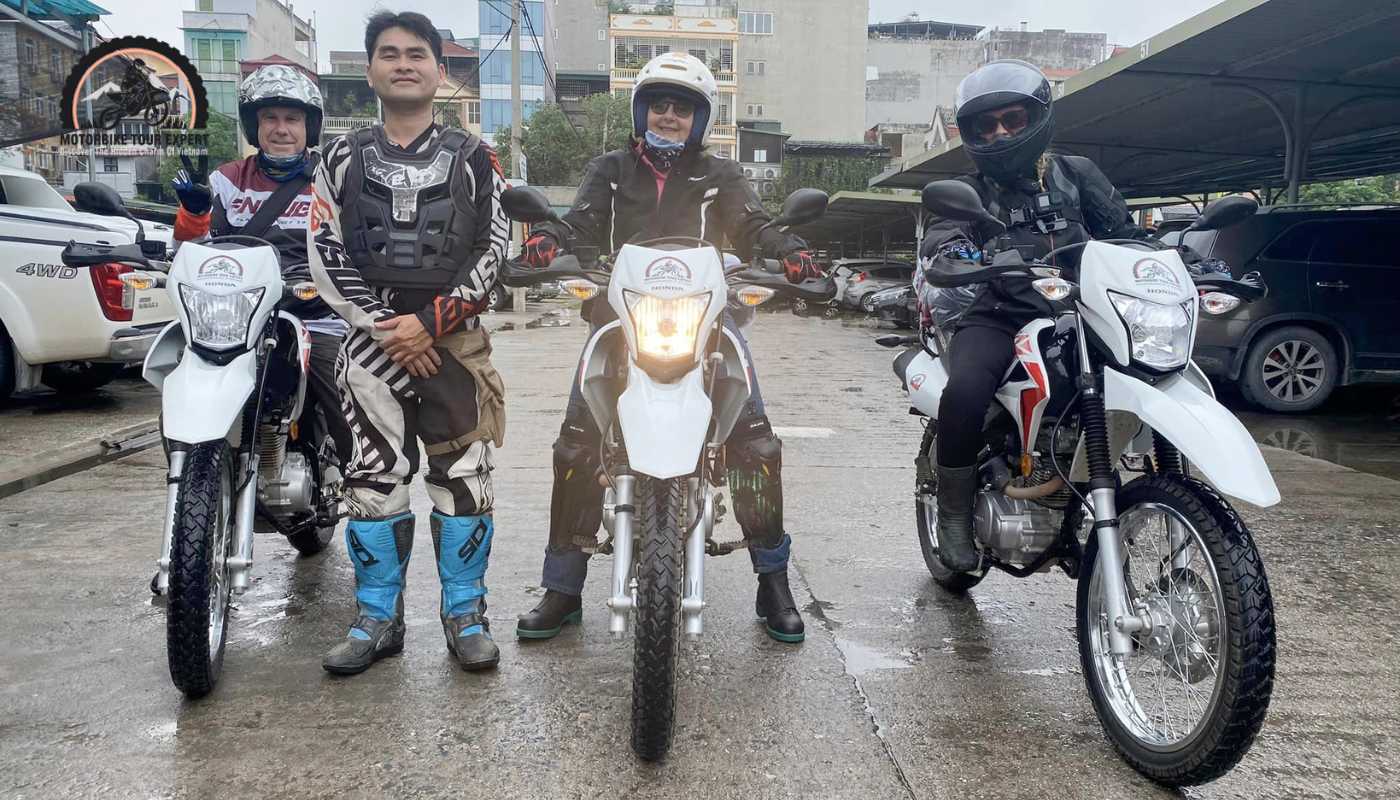 Duration:
Day Trip
Destinations:
Hanoi
Tour Level:
Chill Level Tours
Duration:
Day Trip
Destinations:
Hanoi
Tour Level:
Chill Level Tours
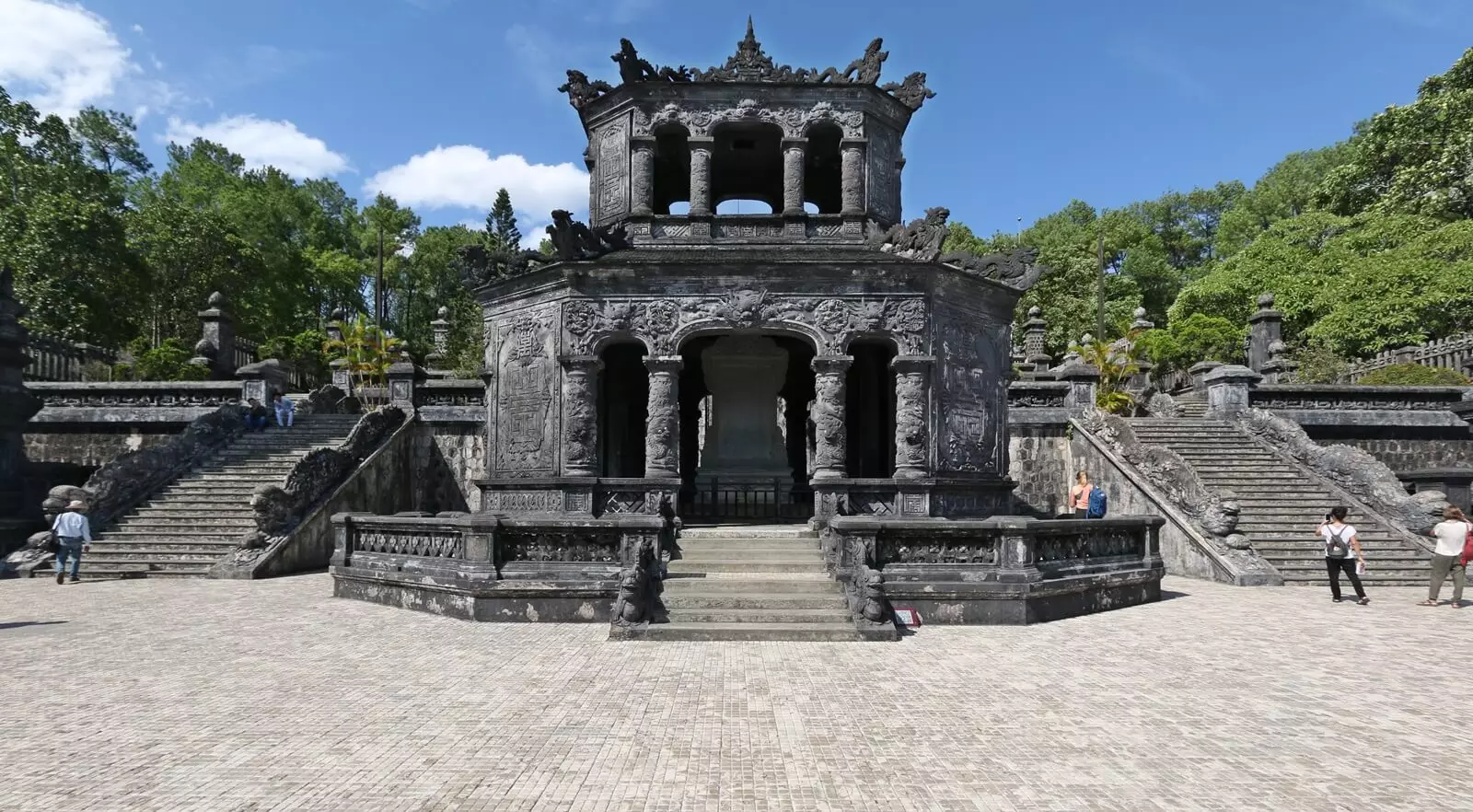 Duration:
3 Days / 2 Nites
Destinations:
Hue - Hai Van Pass - Hoi An - Dong Giang - Hue
Tour Level:
Chill Level Tours
Duration:
3 Days / 2 Nites
Destinations:
Hue - Hai Van Pass - Hoi An - Dong Giang - Hue
Tour Level:
Chill Level Tours
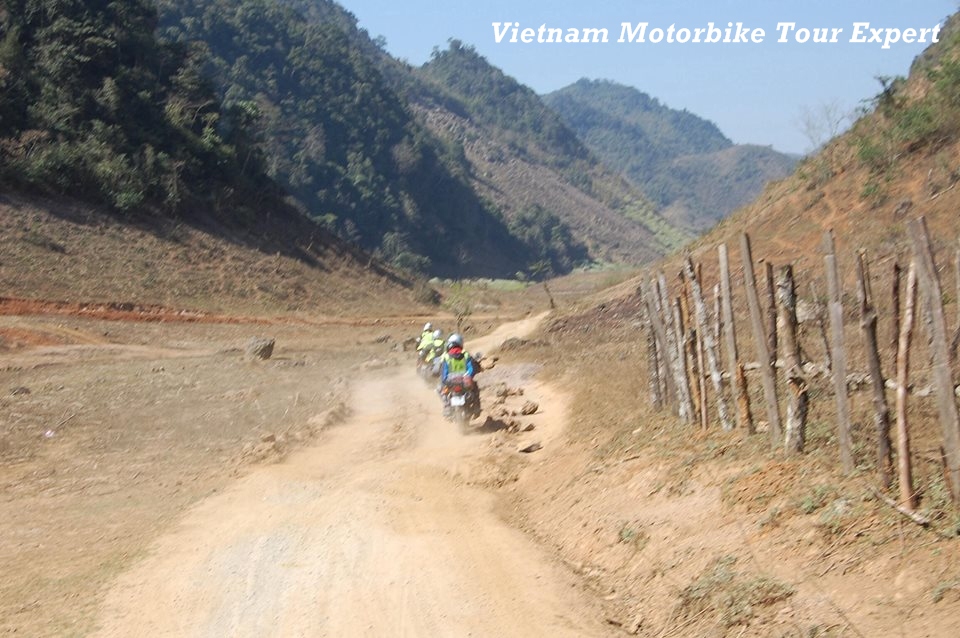 Duration:
7 Days/ 6 Nites
Destinations:
Hoi An - Mai Chau
Tour Level:
Chill Level Tours
Duration:
7 Days/ 6 Nites
Destinations:
Hoi An - Mai Chau
Tour Level:
Chill Level Tours
4-Day Northern Vietnam Motorbike Tour From Hanoi
 Duration:
4 Days/ 3 Nites
Duration:
4 Days/ 3 Nites
 Tour Level:
Chill Level Tours - Moderate Level Tours
Tour Level:
Chill Level Tours - Moderate Level Tours
Experience the authentic Vietnam
Ride off the beaten track
Visit beautiful Thac Ba Lake
Interact with lovely local people
Riding some scenic offroad tracks
Enjoy a variety of local foods
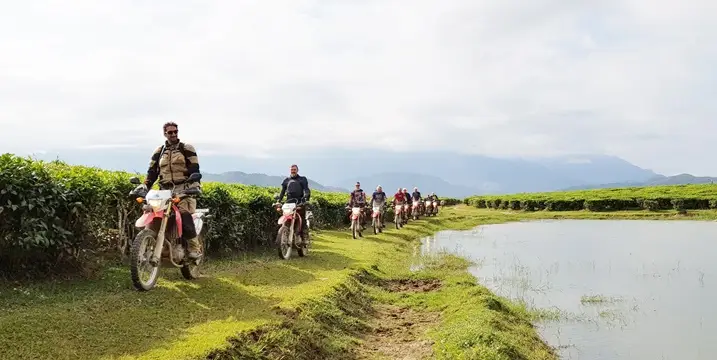
9-Day Northwest Loop – Vietnam Motorcycle Tour
Duration:
9 Days / 8 Nites
Tour Level:
Chill Level Tours - Moderate Level Tours
Visit all the "must see" of Northwest Vietnam
Ride off the beaten track
Experience the authentic Vietnam
Ride beautiful offroad tracks
Interact with lovely local people
Visit the historical Dien Bien Phu
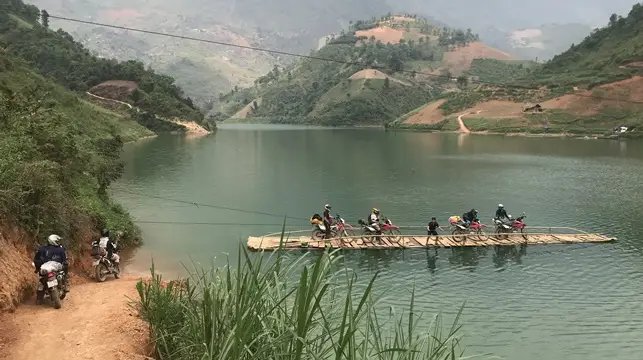
8-Day Vietnam Motorbike Tour to Sapa and Ha Giang
Duration:
8 Days/ 7 Nites
Tour Level:
Challenging Level Tours - Moderate Level Tours
Explore the Real Vietnam
Interact with lovely local people
Ride off the beaten track
See amazing nature in North Vietnam
Scenic offroad tracks
Discover a variety of local culture
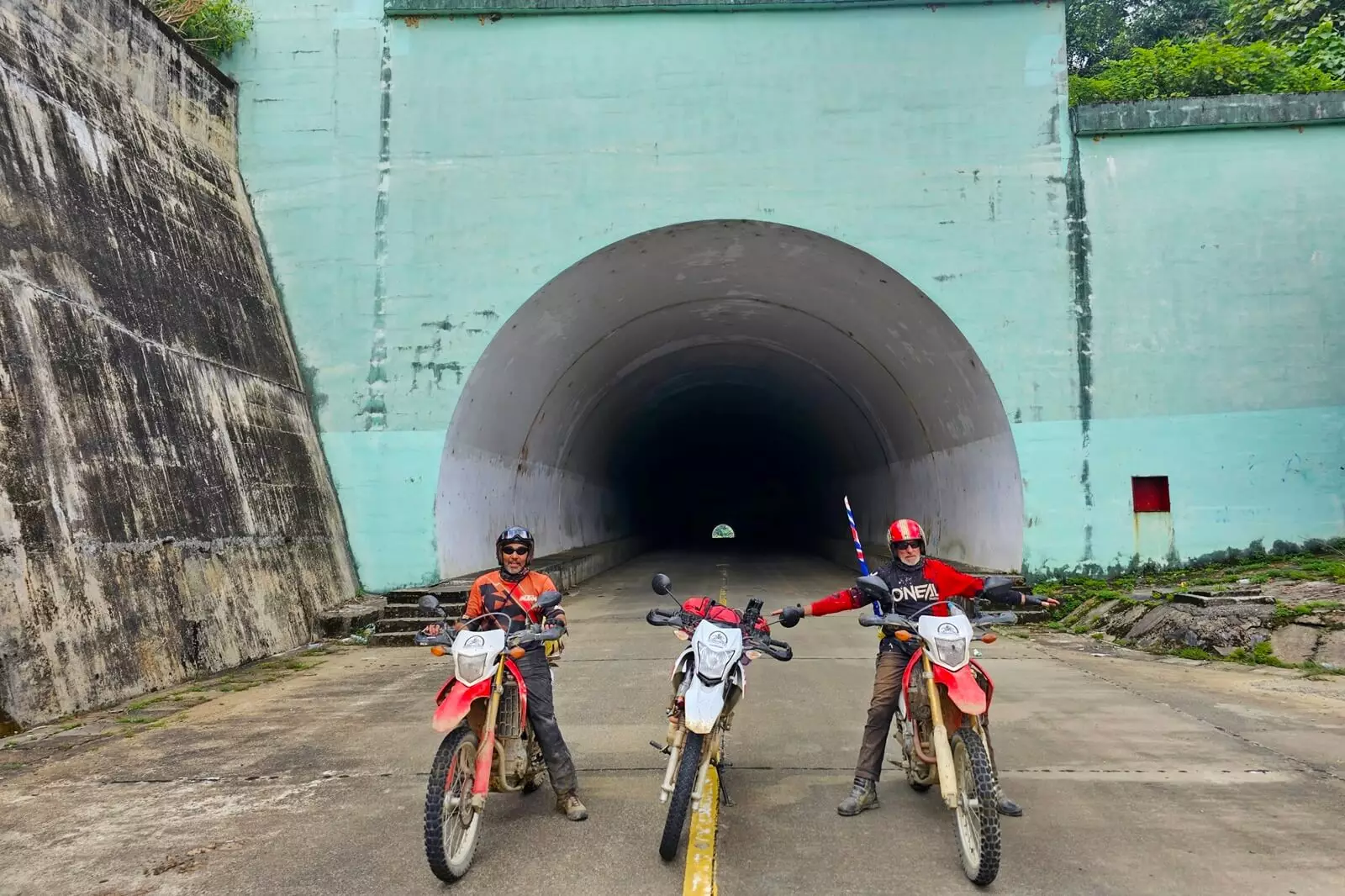
23-Day Top Gear Tour Through Vietnam
Duration:
23 Days/22 Nights
Tour Level:
Challenging Level Tours - Moderate Level Tours
Experience the authentic Vietnam
Visit all the most beautiful places in Vietnam
Interact with lovely local people
Ride scenic offroad trails & coastlines
Enjoy a variety of local foods
Ride off the beaten track
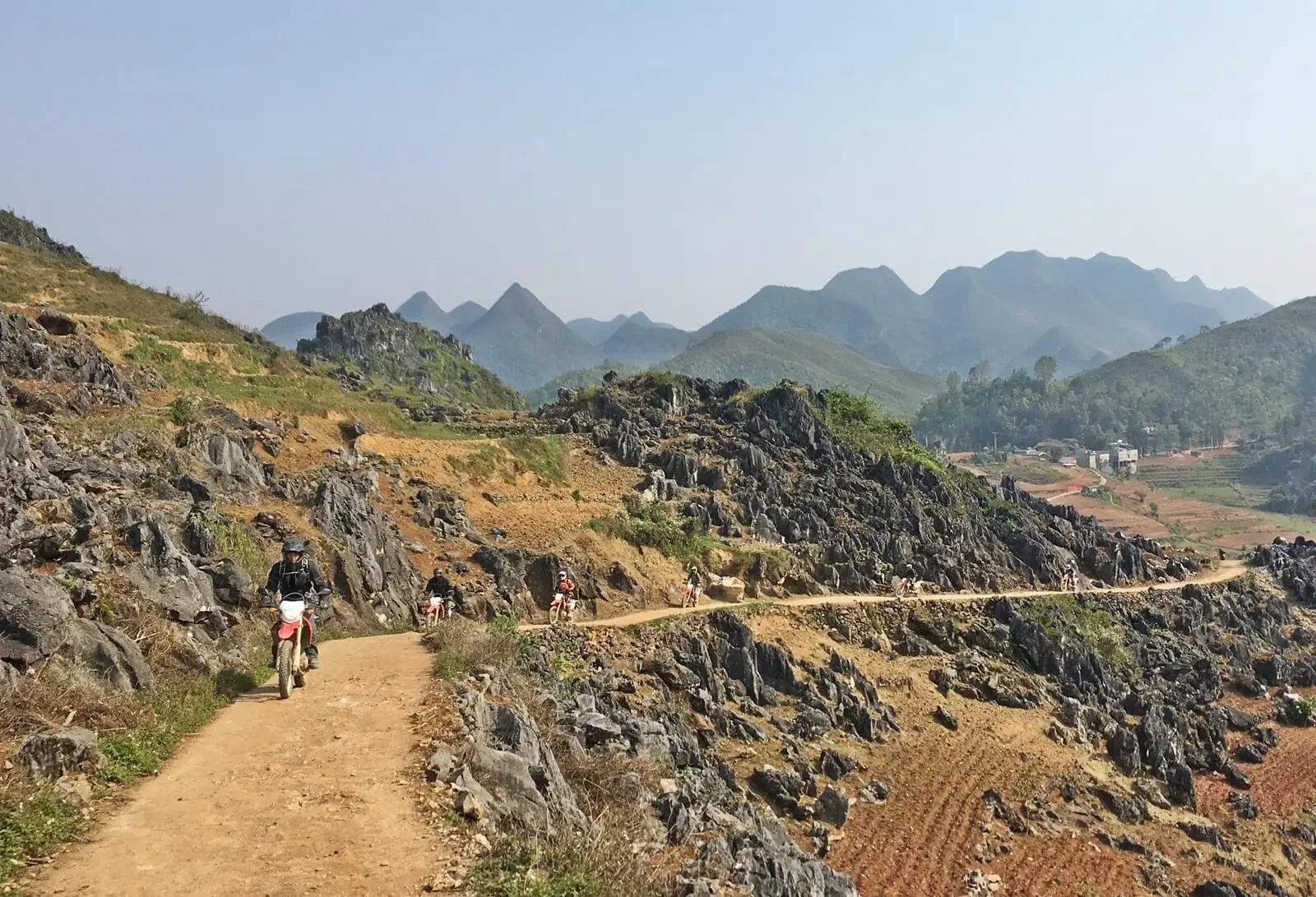
6-Day Offroad Motorbike Tour to Northeast Vietnam
Duration:
6 Days/ 5 Nights
Tour Level:
Challenging Level Tours - Moderate Level Tours
Ride beautiful Ha Giang loop
Interact with lovely local people
Experience authentic Vietnam
Enjoy scenic off-road trails
Ride off the beaten path
Visit all the "Must-See" in North Vietnam
Hanoi Motorbike Tours
Duration:
Day Trip
Tour Level:
- Off the beaten track
- Motobike tour with local driver
- Meeting more friend long life
- Try Vietnam cuisine
- Meditation/ swimming on waterfall
- Family Dinner and more
3-Day Central Vietnam Motorbike Tour from Hue
Duration:
3 Days / 2 Nites
Tour Level:
Chill Level Tours
Experience authentic Vietnam
Ride off the beaten path
Enjoy scenic off-road trails
Ride historical Ho Chi Minh trail
Interact with lovely local people
Discover the hidden charm of Hue
7-Day Motorbike Tour on Ho Chi Minh Trail from Hoi An
Duration:
7 Days/ 6 Nites
Tour Level:
Experience the authentic Vietnam
Explore the Ho Chi Minh trail
Ride off the beaten track
Interact with lovely local people
Beautiful Coastlines
Enjoy a variety of local foods