Your message has been sent. Thank you!
 Your message has been sent. Thank you!
I'm ready to book
Hmm, I still need more information
My information
Detailed information
From $ USD
Ho Chi Minh Trail Motorcycle Tour – 12 Days

Duration:
12 Days/ 11 Nites

Destinations:
Hanoi - Nha Trang

Tour Level:
More offroad (>40%)

Highlight:
Destination:
Ha Noi
Mai Chau
Tan Ky
Phong Nha
Ke Bang National park
Khe Sanh
Vinh Moc tunnels
Hue
Da Nang
Hoi An
Kon Tum
Buon Me Thuat
Lak Lake
Nha Trang
Pickup from:
Hanoi, Airport or any hotel in Ha Noi city
Suitable Bikes:
Honda XR150L, Honda CRF300L,





Selecting the best SIM card Vietnam is crucial for ensuring seamless connectivity throughout your travels, whether you’re navigating the bustling streets of Hanoi or venturing into the more remote regions like Ha Giang. With a variety of providers offering different coverage and pricing options, it’s important to understand which one best suits your needs. This guide by Vietnam Motorbike Tour Expert provides detailed insights to help you make an informed choice, so you can stay connected effortlessly during your trip.
Mobile data serves as your lifeline in Vietnam, powering essential applications like maps, ride-hailing services such as Grab, translation tools, banking applications, and work-related communications. Coverage quality, internet speed, and pricing vary significantly between providers, making informed selection crucial for your connectivity needs.
Airport tourist SIM cards offer immediate convenience upon arrival, though they may not always provide the most cost-effective solution for your specific requirements. Having a local SIM card eliminates expensive international roaming charges while ensuring reliable access to internet services, local calling capabilities, and essential travel applications.
Local connectivity becomes particularly important for accessing ride-hailing platforms, booking accommodations, communicating with local contacts, and maintaining contact with family and friends back home. The investment in a Vietnam SIM card typically pays for itself within the first few days of use compared to international roaming rates.
>>>READ MORE: Best Money Changer in Hanoi: Trusted Spots & Exchange Tips

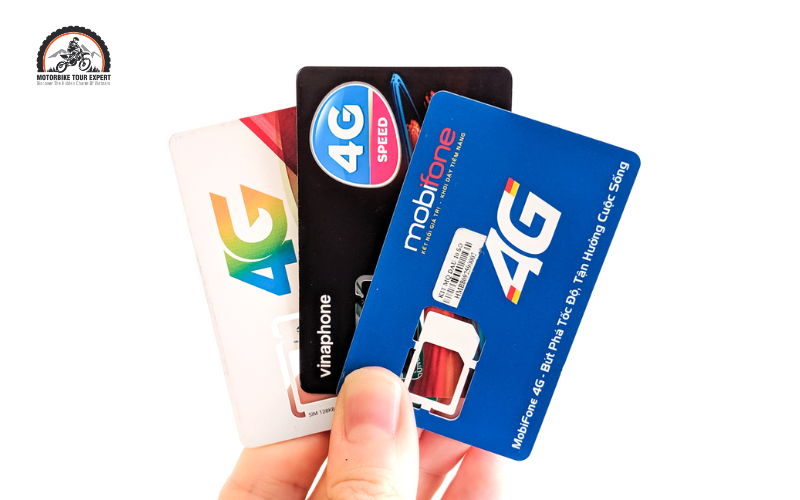
Traditional physical SIM cards remain the most widely available option for tourists visiting Vietnam. Local telecom providers and authorized resellers offer these cards in various plans, combining data allowances, calling minutes, and text messaging services based on traveler requirements and planned duration of stay.
Physical SIM cards require insertion into unlocked mobile devices and come in different sizes to ensure compatibility with various smartphone models. The activation process typically involves providing identification documentation, such as passport copies, in accordance with Vietnamese telecommunications regulations.
Major advantages include widespread availability across the country, straightforward setup procedures, and compatibility with virtually all mobile devices. Tourists can select from multiple telecom operators including Viettel, Vinaphone, and Mobifone, each offering different network coverage areas and service preferences.
>>>Find out more: What to do in Phong Nha: 10+ Amazing Things You Can’t Miss
eSIM technology provides a modern digital alternative to traditional physical SIM cards for tourists with compatible devices. An embedded SIM integrates directly into supported smartphones, eliminating the need for physical card insertion and swapping.
Vietnam’s telecommunications infrastructure embraces eSIM capabilities, with local providers offering digital activation through QR code scanning or dedicated mobile applications. This streamlined activation process delivers convenience and flexibility, particularly beneficial for travelers carrying eSIM-compatible devices.
eSIM cards provide identical functionality to physical alternatives, including data packages, voice calling, and messaging services. They offer particular advantages for users seeking dual SIM capabilities, those with devices lacking traditional SIM card slots, or travelers preferring to avoid physical card management.
When choosing a SIM card in Vietnam, it’s essential to consider factors like coverage, internet speed, top-up flexibility, and tourist-friendly packages to ensure seamless connectivity throughout your trip.
>>>Find out more: Top 5 Most Famous Ho Chi Minh Night Market

Vietnam operates five major mobile networks, though only three to four providers offer practical solutions for tourists and expatriates. Understanding each provider’s strengths helps determine the optimal choice for your connectivity needs.
|
Provider |
Market Share |
Coverage Quality |
Best For |
|
Viettel |
~40% |
★★★★★ |
Nationwide use, digital nomads |
|
Vinaphone |
~25% |
★★★★☆ |
Urban tourists, business travelers |
|
Mobifone |
~20% |
★★★★☆ |
Local users, expats |
|
Vietnamobile |
<10% |
★★☆☆☆ |
Cheap data for short stays |
|
Gmobile |
Negligible |
★☆☆☆☆ |
Local-only use (not recommended) |
Most travelers choose between Viettel, Vinaphone, or Mobifone, all providing 4G/LTE connectivity, reasonable prepaid plans, and nationwide availability.
Viettel dominates Vietnam’s mobile market with unmatched coverage extending to rural provinces, mountainous regions, and remote islands. This Ministry of Defense-owned network delivers consistent 4G signals even in challenging geographical areas like Ha Giang or the Mekong Delta.
Tourist SIM options include 7-30 day packages available at airports and official stores, featuring 7-30GB data allowances, local calling minutes, and limited international SMS capabilities. Pricing starts from 100,000 VND (approximately $4), with easy top-up options through the My Viettel application.

Vinaphone offers reliable data speeds and solid urban coverage, making it ideal for travelers focusing on major cities like Hanoi, Ho Chi Minh City, and Da Nang. The provider excels in business travel scenarios and short-term visits with competitive prepaid packages.
Tourist packages include 7-day and 30-day bundles featuring 3-10GB high-speed data and free Vinaphone-to-Vinaphone calling. Pricing ranges from 80,000-150,000 VND ($3-6), with availability at airports and local retail locations.

Mobifone serves as Vietnam’s third-largest network, known for affordable pricing structures and consistent call quality. While coverage doesn’t match Viettel or Vinaphone’s reach, urban area stability makes it suitable for city-focused travelers and long-term residents.
Prepaid options start from 70,000-120,000 VND for 30-day plans, with customizable data packages ranging from 1-10GB. The provider offers better monthly deals for extended stays compared to tourist-specific SIM cards.

>>>Read more: Visit Street Food Market Ho Chi Minh City for Food Lovers

Modern travelers can purchase Vietnam eSIMs through official provider websites or dedicated mobile applications. The digital process involves selecting suitable eSIM plans, providing required identification details, and following QR code scanning instructions or app-based activation procedures.
Online eSIM acquisition allows travelers to secure connectivity before arriving in Vietnam, ensuring immediate service activation upon landing. This solution provides convenience and efficiency for eSIM-compatible device users without requiring physical store visits.
SIM card activation follows straightforward procedures, though specific steps vary between telecommunications providers. Physical SIM cards require insertion into unlocked mobile devices, while eSIMs follow digital activation instructions provided by mobile operators.
After powering on your device, activation messages from the telecom provider typically arrive automatically, containing new phone number information, account balance details, and available service descriptions. Some providers require additional verification through text messages containing passport details or designated location visits.
Prepaid SIM cards may require balance top-ups through various methods including top-up card purchases or mobile banking applications. Device-specific settings configuration, such as APN settings for mobile data, might be necessary depending on your smartphone and chosen provider.

When traveling to Vietnam, having the right SIM card can make all the difference in staying connected and managing your data efficiently. Here are some tips:
>>>Read more: Gourmet Guide: Top 15 Foods in Sapa to Savor the Northwestern Flavors

Choosing the best SIM card Vietnam depends on your specific travel requirements, coverage needs, and budget considerations. Understanding provider differences, activation procedures, and purchasing options ensures seamless connectivity throughout your Vietnamese journey. Vietnam Motorbike Tour Expert recommends evaluating your planned destinations and data usage patterns before making your final SIM card selection for optimal travel connectivity.
LET'S RIDE WITH US
 Duration:
4 Days/ 3 Nites
Destinations:
Hanoi - Vu Linh - Phu Yen - Moc Chau - Mai Chau - Hanoi.
Tour Level:
Chill Level Tours
Duration:
4 Days/ 3 Nites
Destinations:
Hanoi - Vu Linh - Phu Yen - Moc Chau - Mai Chau - Hanoi.
Tour Level:
Chill Level Tours
 Duration:
11 Days / 10 Nites
Destinations:
Hanoi - Hoi An.
Tour Level:
Chill Level Tours
Duration:
11 Days / 10 Nites
Destinations:
Hanoi - Hoi An.
Tour Level:
Chill Level Tours
 Duration:
4 Days / 3 Nites
Destinations:
Hanoi - Vu Linh
Tour Level:
Chill Level Tours
Duration:
4 Days / 3 Nites
Destinations:
Hanoi - Vu Linh
Tour Level:
Chill Level Tours
 Duration:
6 Days/ 5 Nites
Destinations:
Hanoi - Thac Ba lake
Tour Level:
Chill Level Tours
Duration:
6 Days/ 5 Nites
Destinations:
Hanoi - Thac Ba lake
Tour Level:
Chill Level Tours
 Duration:
7 Days / 6 Nites
Destinations:
Hanoi - Sapa
Tour Level:
Chill Level Tours
Duration:
7 Days / 6 Nites
Destinations:
Hanoi - Sapa
Tour Level:
Chill Level Tours
 Duration:
7 Days/ 6 Nights
Destinations:
Hanoi - Moc Chau - Sapa
Tour Level:
Chill Level Tours
Duration:
7 Days/ 6 Nights
Destinations:
Hanoi - Moc Chau - Sapa
Tour Level:
Chill Level Tours
 Duration:
15 Days/ 14 Nites
Destinations:
Hanoi - Ha Long bay
Tour Level:
Chill Level Tours
Duration:
15 Days/ 14 Nites
Destinations:
Hanoi - Ha Long bay
Tour Level:
Chill Level Tours
 Duration:
4 Days/ 3 Nites
Destinations:
Hanoi - Thac Ba lake
Tour Level:
Chill Level Tours
Duration:
4 Days/ 3 Nites
Destinations:
Hanoi - Thac Ba lake
Tour Level:
Chill Level Tours
4-Day Northern Vietnam Motorbike Tour From Hanoi
 Duration:
4 Days/ 3 Nites
Duration:
4 Days/ 3 Nites
 Tour Level:
Chill Level Tours - Moderate Level Tours
Tour Level:
Chill Level Tours - Moderate Level Tours
Experience the authentic Vietnam
Ride off the beaten track
Visit beautiful Thac Ba Lake
Interact with lovely local people
Riding some scenic offroad tracks
Enjoy a variety of local foods
11-Day Top Vietnam Motorbike Tour
Duration:
11 Days / 10 Nites
Tour Level:
Chill Level Tours - Moderate Level Tours
Discover the legendary Ho Chi Minh trail
Learn a lot about Vietnam war history
Ride off the beaten track
Experience the authentic Vietnam
Interact with lovely local people
Ride some beautiful coastlines
4-Day Short North Vietnam Motorbike Tour
Duration:
4 Days / 3 Nites
Tour Level:
Chill Level Tours - Moderate Level Tours
Experience the authentic Vietnam
Interact with lovely local people
Visit beautiful Thac Ba lake
Ride off the beaten track
Enjoy a variety of local foods
Ride some scenic offroad tracks
6-Day Northwest Loop Motorbike Tour Vietnam
Duration:
6 Days/ 5 Nites
Tour Level:
Chill Level Tours - Moderate Level Tours
Experience the authentic Vietnam
Explore the hidden gems in Northwest
Visit beautiful Sapa
Ride off the beaten track
Enjoy great local food
Interact with lovely local people
7-Day Motorbike Tour In North Vietnam
Duration:
7 Days / 6 Nites
Tour Level:
Chill Level Tours - Moderate Level Tours
Experience authentic Vietnam
Interact with lovely local people
Ride off the beaten path
Visit all the "Must-See" in North
Enjoy scenic off-road trails
Learn about Vietnamese culture
7-Day Amazing Motorbike Tour To The Hidden Lands Vietnam
Duration:
7 Days/ 6 Nights
Tour Level:
Chill Level Tours - Moderate Level Tours
Discover hidden charms of Northwest Vietnam
Ride fun offroad
Experience the authentic Vietnam
Experience beautiful Sapa
Interact with lovely local people
Ride off the beaten track
Hanoi Street Food Tour
Duration:
15 Days/ 14 Nites
Tour Level:
Experience the authentic Vietnam
Explore beautiful nature in North Vietnam
Interact with lovely local people
Ride scenic offroad trails
Ride off the beaten track
Visit Natural Heritage Ha Long Bay
4-Day Northwest Vietnam Motorbike Tour
Duration:
4 Days/ 3 Nites
Tour Level:
Chill Level Tours - Moderate Level Tours
Experience the authentic Vietnam
Visit beautiful Thac Ba lake
Interact with lovely local people
See the quiet countryside Vietnam
Ride off the beaten track E
Enjoy great local food