Your message has been sent. Thank you!
 Your message has been sent. Thank you!
I'm ready to book
Hmm, I still need more information
My information
Detailed information
From $ USD
Ho Chi Minh Trail Motorcycle Tour – 12 Days

Duration:
12 Days/ 11 Nites

Destinations:
Hanoi - Nha Trang

Tour Level:
More offroad (>40%)

Highlight:
Destination:
Ha Noi
Mai Chau
Tan Ky
Phong Nha
Ke Bang National park
Khe Sanh
Vinh Moc tunnels
Hue
Da Nang
Hoi An
Kon Tum
Buon Me Thuat
Lak Lake
Nha Trang
Pickup from:
Hanoi, Airport or any hotel in Ha Noi city
Suitable Bikes:
Honda XR150L, Honda CRF300L,


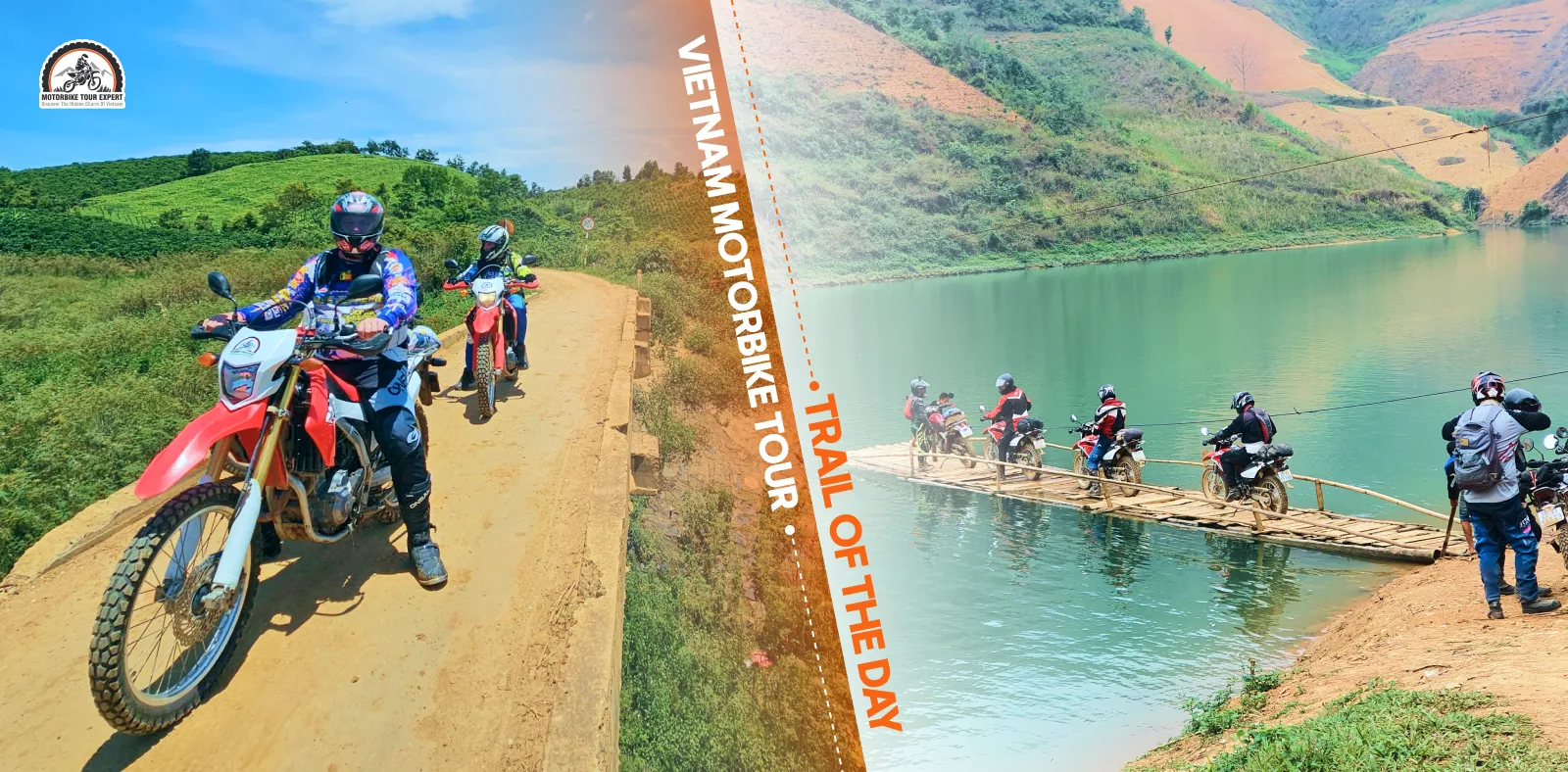



Hai Van Pass is a renowned 20-kilometer mountain pass in Central Vietnam, celebrated for its dramatic coastal views and winding roads that connect the cities of Da Nang and Hue. This journey offers a spectacular mix of natural beauty and historical landmarks. To find out more about this iconic route, read the detailed guide below from Vietnam Motorbike Tour Expert.
The Hai Van Pass is a landmark coastal road in Central Vietnam that straddles the border between Thua Thien Hue Province to the north and Da Nang city to the south.
Translating to “Ocean Cloud Pass,” its name is derived from the frequent mist that rises from the sea and blankets its summit, creating a mystical atmosphere.
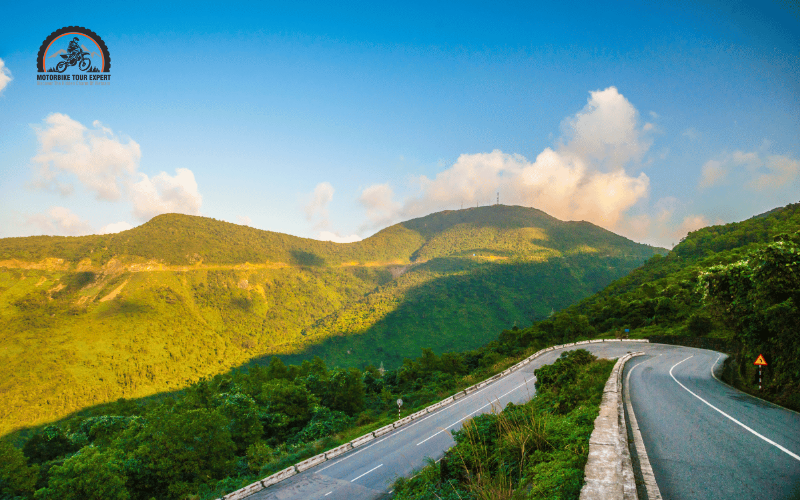
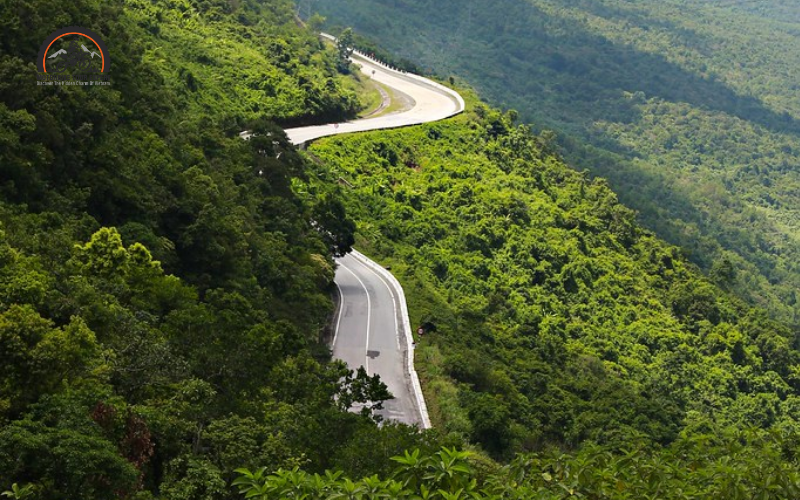
This 20-kilometer stretch of winding road is famed for its sharp curves, lush jungle scenery, and breathtaking panoramic views of the coastline, earning it a reputation as one of the most scenic drives in the world.
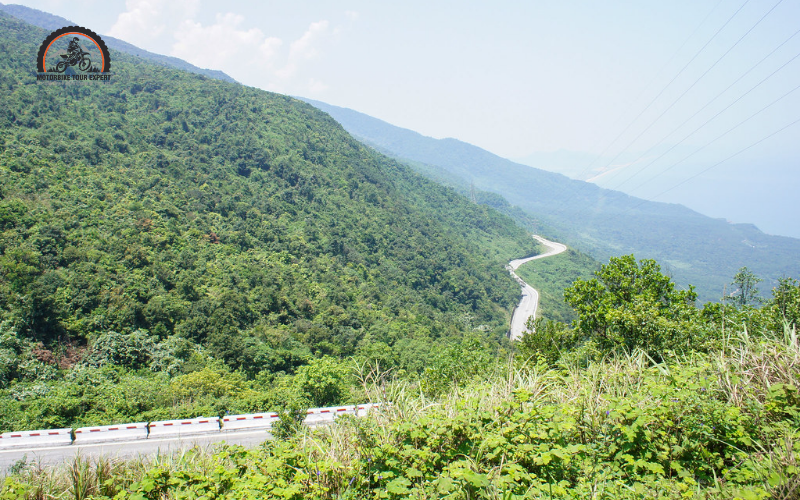
Historically, the pass was a significant physical and political boundary. At its peak sits the Hai Van Gate, a fortified gateway built in the 19th century that once marked the division between the kingdoms of Champa and Dai Viet.
Today, the Hai Van Pass is a favorite for travelers seeking adventure and unparalleled photo opportunities. A travelers’ review captures the essence of the journey: “The winding roads offered jaw-dropping views of lush mountains meeting the sparkling sea… The cool breeze and serene atmosphere made it a romantic and peaceful adventure. Whether you’re a nature lover or just seeking a unique experience, this pass is a must-visit”.
>>READ MORE: O Quy Ho Pass: A Guide to Vietnam’s Majestic Pass
The ideal time to travel the Hai Van Pass is during the dry season, which typically lasts from March to September.
During these months, the weather is characterized by clear skies and abundant sunshine, which provides excellent visibility for appreciating the spectacular ocean and mountain views.
For the best experience, an early morning start (6-7 AM) is recommended to catch the sunrise, or a late afternoon trip (3-4 PM) to enjoy the sunset.
There are 3 ways to get to Hai Van Pass, each offering a distinct perspective on the stunning coastal landscape:
Traveling the Hai Van Pass by motorbike is the most popular and adventurous option, offering unparalleled freedom to explore at your own pace. One rider described the experience as “extraordinary… Every turn of the Hai Van Pass offered a spectacular new view – a real dream for nature and adventure lovers”.
Many rental shops offer convenient one-way services between Hoi An, Da Nang, and Hue, allowing you to drop off the bike at your final destination and have your luggage transported separately. This makes for a seamless and flexible journey.
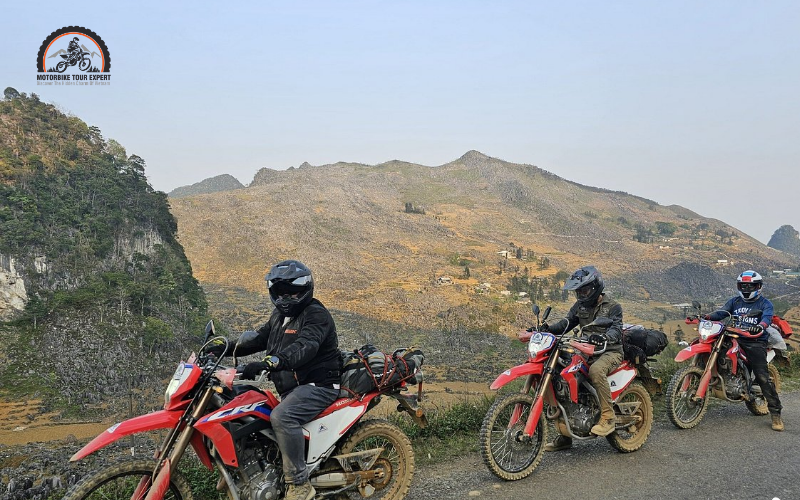
Several reputable companies, such as Vietnam Motorbike Tour Expert cater to travelers looking to ride the Hai Van Pass. Options range from fully automatic scooters, which are easy for beginners to handle, to semi-automatic bikes like the Honda Wave Alpha 110cc, and more powerful manual bikes like the Honda XR150L for experienced riders seeking more control on the winding roads.
It is advisable to choose a well-maintained vehicle and ensure the brakes and tires are in good condition before you begin your trip.
For those who prefer more comfort or are not confident on a motorbike, hiring a private car is an excellent alternative for a trip to Hai Van Pass. This option allows you to enjoy the stunning scenery of the Hai Van Pass without the stress of navigating the winding roads yourself.
Hai Van Pass private car services operate between Hue, Da Nang, and Hoi An, and can be customized to include stops at key attractions along the pass, such as Lang Co Beach and the Marble Mountains.

This mode of transport is particularly suitable for families, small groups, or travelers with luggage. Prices vary depending on the vehicle size and the number of stops included in the itinerary.
>>READ MORE: Khau Pha Pass: Guide to Conquering Vietnam’s “Sky Pass”
A Jeep tour offers a unique and exhilarating way to experience the Hai Van Pass, combining the open-air thrill of a motorbike with the safety and comfort of a four-wheeled vehicle.
Jeep tours are typically offered as all-inclusive day trips between Hue and Hoi An or Da Nang. They often include an English-speaking guide, stops at major viewpoints, a seafood lunch at Lang Co Bay, and opportunities to swim at natural springs or waterfalls.

This option is ideal for those seeking a guided Hai Van Pass adventure with a touch of retro style. A review from a solo female traveler on a guided jeep tour praised the experience, noting, “I don’t have much experience on a jeep but the driver was very good so I felt totally comfortable and had a lot of fun”.
The Hai Van Pass route can be traveled:
While the full journey between cities is best planned as a full-day trip to allow for scenic stops, the ride over the 20-kilometer pass itself takes about 45 minutes to an hour and a half without stopping.
>>READ MORE: Best Motorcycle Routes in North Vietnam | Top 6 Best Roads
Starting the journey from Hoi An to the Hai Van Pass is straightforward and scenic. The recommended route avoids the busiest parts of Da Nang city for a more pleasant ride.
If you are starting directly from Da Nang, the route to the Hai Van Pass is even more direct. The journey from the city to the start of the pass takes about an hour.
The journey from Hue to Hoi An via the Hai Van Pass covers approximately 130 kilometers and takes around four hours of driving, plus time for stops.
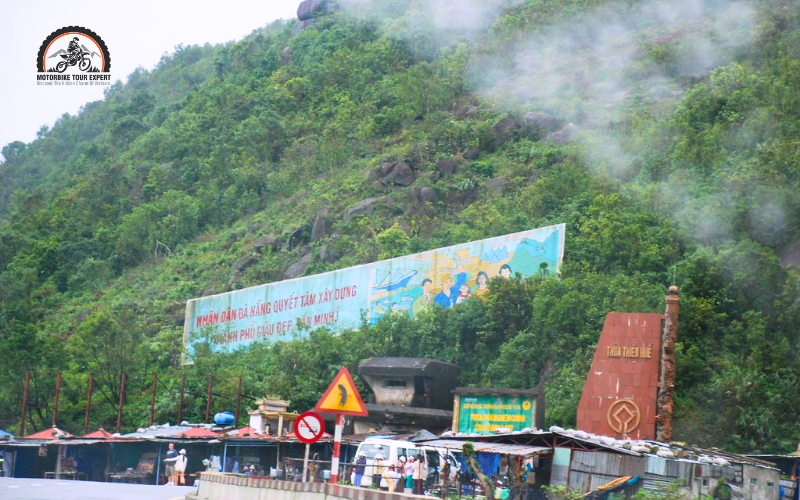
The Hai Van Pass route is dotted with numerous points of interest, from the Hai Van Gate to Nam O Beach. These attractions offer a chance to explore Vietnam’s history and capture stunning photographs of the dramatic landscapes.
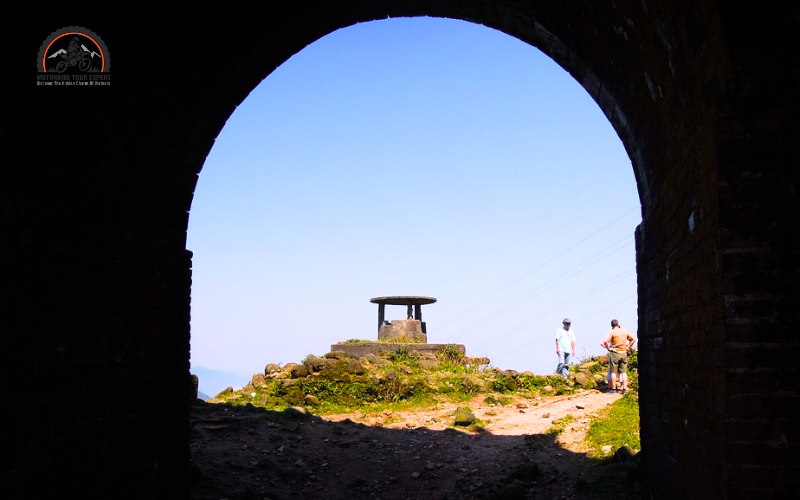
The Hai Van Gate, or Hai Van Quan, is the historical centerpiece at the very summit of the pass. Built by Emperor Minh Mang in the 19th century, this imposing brick gate once marked the formal boundary between ancient kingdoms.
One side of the gate is inscribed with the characters for “the grandest gate in the world.” Today, this historic stone gate opens up to sweeping views and stands as a popular stop for tourists to explore and absorb the rich history of the area.
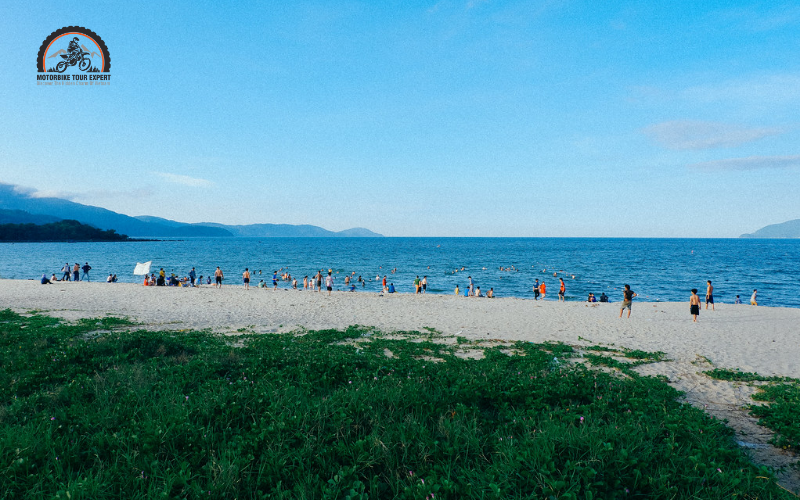
Located about 15 kilometers northwest of Da Nang, Nam O Beach is a serene coastal stop along the route to the Hai Van Pass. The area is known for its beautiful sandy shores and a unique rocky reef with diverse formations that create a poetic seascape.
From the reef, you can see the Son Tra Peninsula in the distance, and to the west, the beginning of the Hai Van Pass itself. It’s a picturesque spot to watch the sunrise or sunset and enjoy fresh, local seafood.
As you begin the ascent of the Hai Van Pass from the Da Nang side, the very first curve presents a stunning viewpoint. This spot, sometimes associated with the Turtle Rock outcrop, offers magnificent, sweeping views of Da Nang Bay and the entire Son Tra Peninsula, providing a fantastic first taste of the pass’s scenic beauty.
It’s a popular place to pull over and take in the scale of the coastline you are about to climb above.
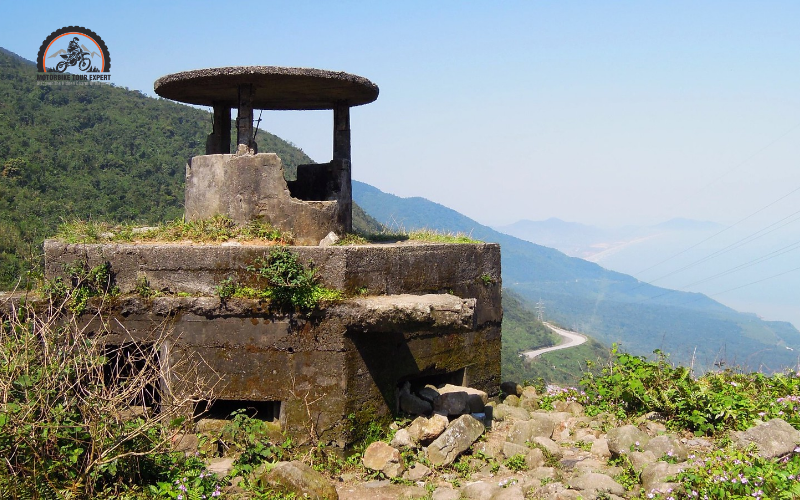
At the summit of the Hai Van Pass, scattered around the historic gate, are several abandoned bunkers. These fortifications were initially built by the French in the 19th century and were later used by South Vietnamese and American forces during the wars from 1946 to 1975.
These battle-scarred concrete structures serve as a stark reminder of the pass’s strategic military importance and offer a sharp contrast to the surrounding natural beauty. The main viewpoint at the summit is located from these two French bunkers, offering incredible views to both the north and south.
Black Rock Beach is a hidden gem on the Son Tra Peninsula, offering untouched natural beauty. The beach is named for the many large, dark rocks that line its shore, creating a striking contrast with the clear water and golden sand.
It’s an ideal spot for swimming, snorkeling, and exploring. Reaching it can be part of the adventure, with options to go by motorbike down a rugged path or by boat from the Han River port.
The Hai Van Pass is famous for its “panoramic curve,” a section of the road that offers some of the most dramatic and cinematic views of the coastline. From the south side, you can see the entire curve of Da Nang Bay, while the north side reveals the beautiful, sparkling beach of Lang Co.
Many roadside cafes and rest stops are positioned to take advantage of these vistas, allowing travelers to pause and admire the breathtaking scenery. This is often what people picture when they think of the Hai Van Pass.
For one of the most commanding views, a short detour from the summit leads to an old, abandoned radar station. Once used by French and American forces to monitor the central coast, this vantage point offers a breathtaking 360-degree panorama of the entire pass, Lang Co Bay, the Son Tra Peninsula, and the city of Da Nang. It is a rewarding side trip for those willing to make the extra effort to reach it.
To have a wonderful trip at the Hai Van Pass, it’s best to be prepared. Here are some tips to make the most of your journey:
Hai Van Pass offers an unforgettable journey through some of Vietnam’s most spectacular scenery, blending natural wonder with historical depth. Whether by motorbike, car, or jeep, traveling this iconic route is a highlight of any trip to Central Vietnam. The combination of winding roads, panoramic views, and significant landmarks makes the Hai Van Pass a must-do adventure. For more information or to book a tour, feel free to contact Vietnam Motorbike Tour Expert.
LET'S RIDE WITH US
 Duration:
4 Days/ 3 Nites
Destinations:
Hanoi - Vu Linh - Phu Yen - Moc Chau - Mai Chau - Hanoi.
Tour Level:
Chill Level Tours
Duration:
4 Days/ 3 Nites
Destinations:
Hanoi - Vu Linh - Phu Yen - Moc Chau - Mai Chau - Hanoi.
Tour Level:
Chill Level Tours
 Duration:
11 Days / 10 Nites
Destinations:
Hanoi - Hoi An.
Tour Level:
Chill Level Tours
Duration:
11 Days / 10 Nites
Destinations:
Hanoi - Hoi An.
Tour Level:
Chill Level Tours
 Duration:
4 Days / 3 Nites
Destinations:
Hanoi - Vu Linh
Tour Level:
Chill Level Tours
Duration:
4 Days / 3 Nites
Destinations:
Hanoi - Vu Linh
Tour Level:
Chill Level Tours
 Duration:
6 Days/ 5 Nites
Destinations:
Hanoi - Thac Ba lake
Tour Level:
Chill Level Tours
Duration:
6 Days/ 5 Nites
Destinations:
Hanoi - Thac Ba lake
Tour Level:
Chill Level Tours
 Duration:
7 Days / 6 Nites
Destinations:
Hanoi - Sapa
Tour Level:
Chill Level Tours
Duration:
7 Days / 6 Nites
Destinations:
Hanoi - Sapa
Tour Level:
Chill Level Tours
 Duration:
7 Days/ 6 Nights
Destinations:
Hanoi - Moc Chau - Sapa
Tour Level:
Chill Level Tours
Duration:
7 Days/ 6 Nights
Destinations:
Hanoi - Moc Chau - Sapa
Tour Level:
Chill Level Tours
 Duration:
15 Days/ 14 Nites
Destinations:
Hanoi - Ha Long bay
Tour Level:
Chill Level Tours
Duration:
15 Days/ 14 Nites
Destinations:
Hanoi - Ha Long bay
Tour Level:
Chill Level Tours
 Duration:
4 Days/ 3 Nites
Destinations:
Hanoi - Thac Ba lake
Tour Level:
Chill Level Tours
Duration:
4 Days/ 3 Nites
Destinations:
Hanoi - Thac Ba lake
Tour Level:
Chill Level Tours
4-Day Northern Vietnam Motorbike Tour From Hanoi
 Duration:
4 Days/ 3 Nites
Duration:
4 Days/ 3 Nites
 Tour Level:
Chill Level Tours - Moderate Level Tours
Tour Level:
Chill Level Tours - Moderate Level Tours
Experience the authentic Vietnam
Ride off the beaten track
Visit beautiful Thac Ba Lake
Interact with lovely local people
Riding some scenic offroad tracks
Enjoy a variety of local foods
11-Day Top Vietnam Motorbike Tour
Duration:
11 Days / 10 Nites
Tour Level:
Chill Level Tours - Moderate Level Tours
Discover the legendary Ho Chi Minh trail
Learn a lot about Vietnam war history
Ride off the beaten track
Experience the authentic Vietnam
Interact with lovely local people
Ride some beautiful coastlines
4-Day Short North Vietnam Motorbike Tour
Duration:
4 Days / 3 Nites
Tour Level:
Chill Level Tours - Moderate Level Tours
Experience the authentic Vietnam
Interact with lovely local people
Visit beautiful Thac Ba lake
Ride off the beaten track
Enjoy a variety of local foods
Ride some scenic offroad tracks
6-Day Northwest Loop Motorbike Tour Vietnam
Duration:
6 Days/ 5 Nites
Tour Level:
Chill Level Tours - Moderate Level Tours
Experience the authentic Vietnam
Explore the hidden gems in Northwest
Visit beautiful Sapa
Ride off the beaten track
Enjoy great local food
Interact with lovely local people
7-Day Motorbike Tour In North Vietnam
Duration:
7 Days / 6 Nites
Tour Level:
Chill Level Tours - Moderate Level Tours
Experience authentic Vietnam
Interact with lovely local people
Ride off the beaten path
Visit all the "Must-See" in North
Enjoy scenic off-road trails
Learn about Vietnamese culture
7-Day Amazing Motorbike Tour To The Hidden Lands Vietnam
Duration:
7 Days/ 6 Nights
Tour Level:
Chill Level Tours - Moderate Level Tours
Discover hidden charms of Northwest Vietnam
Ride fun offroad
Experience the authentic Vietnam
Experience beautiful Sapa
Interact with lovely local people
Ride off the beaten track
Hanoi Street Food Tour
Duration:
15 Days/ 14 Nites
Tour Level:
Experience the authentic Vietnam
Explore beautiful nature in North Vietnam
Interact with lovely local people
Ride scenic offroad trails
Ride off the beaten track
Visit Natural Heritage Ha Long Bay
4-Day Northwest Vietnam Motorbike Tour
Duration:
4 Days/ 3 Nites
Tour Level:
Chill Level Tours - Moderate Level Tours
Experience the authentic Vietnam
Visit beautiful Thac Ba lake
Interact with lovely local people
See the quiet countryside Vietnam
Ride off the beaten track E
Enjoy great local food