Your message has been sent. Thank you!
 Your message has been sent. Thank you!
I'm ready to book
Hmm, I still need more information
My information
Detailed information
From $ USD
Ho Chi Minh Trail Motorcycle Tour – 12 Days

Duration:
12 Days/ 11 Nites

Destinations:
Hanoi - Nha Trang

Tour Level:
More offroad (>40%)

Highlight:
Destination:
Ha Noi
Mai Chau
Tan Ky
Phong Nha
Ke Bang National park
Khe Sanh
Vinh Moc tunnels
Hue
Da Nang
Hoi An
Kon Tum
Buon Me Thuat
Lak Lake
Nha Trang
Pickup from:
Hanoi, Airport or any hotel in Ha Noi city
Suitable Bikes:
Honda XR150L, Honda CRF300L,




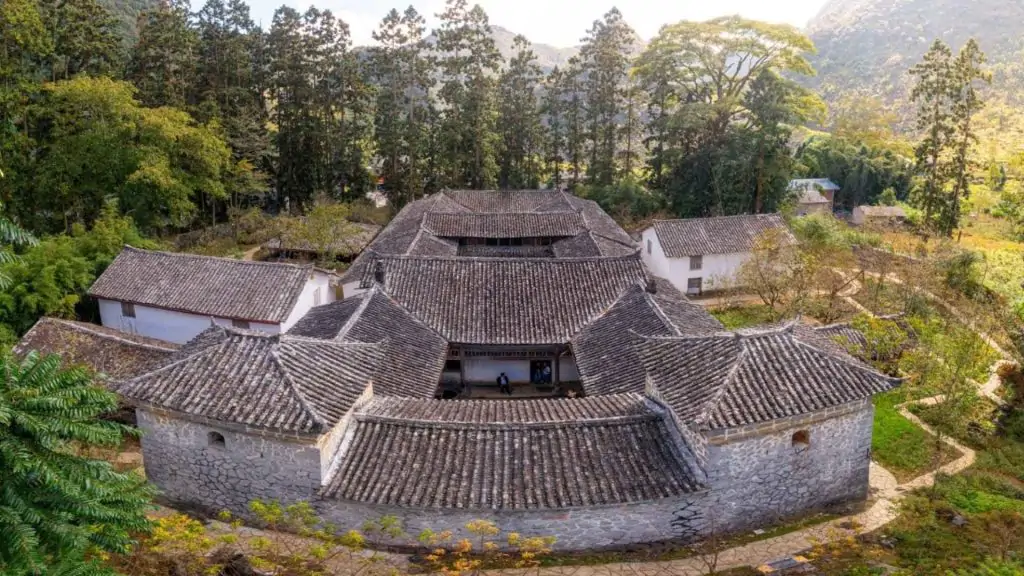
Recognized as a National Architectural and Artistic Relic on July 23, 1993, the Hmong King Palace is one of the most remarkable historical landmarks in the Ha Giang Karst Plateau. Hidden behind its ancient stone walls lies the captivating history of a powerful clan, unique high-mountain life, and vibrant Hmong cultural heritage. Come and explore the Hmong King Palace to discover why this spot is a must-visit destination on your Ha Giang journey!
|
Location: Sa Phin Commune, Dong Van District, Ha Giang Province. The palace sits atop an auspicious turtle-shaped hill, surrounded by the dramatic mountains and forests of the karst plateau. Opening hours: 7:00 AM – 5:00 PM (Daily) Entrance fees:
|
Beyond its picturesque setting in the northern highlands, this century-old estate holds immense cultural and historical value. Here are three reasons to visit the Hmong King Palace on your Ha Giang loop.
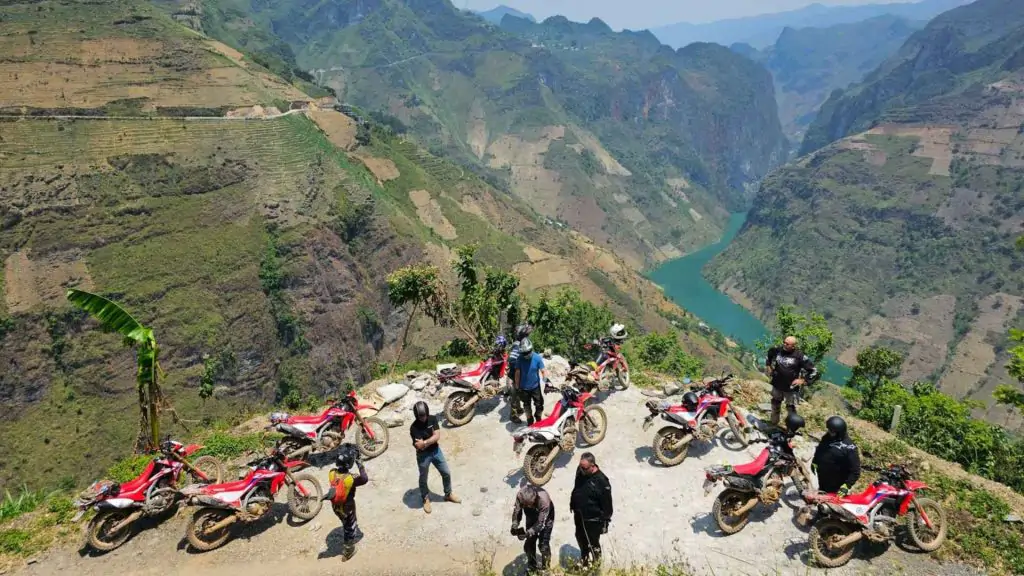
Reaching the ancient estate in Sa Phin Valley is an adventure in itself, taking travelers through the heart of northern Vietnam’s most iconic mountain passes and breathtaking karst landscapes.
Pro tip for itinerary integration: Seamlessly incorporate the palace into the famous Ha Giang Loop itinerary: Ha Giang City > Quan Ba (Heaven’s Gate, Twin Mountains) > Yen Minh (pine forest) > Hmong King Palace (Sa Phin) > Lung Cu Flag Tower > Dong Van Town > Ma Pi Leng Pass > Meo Vac.
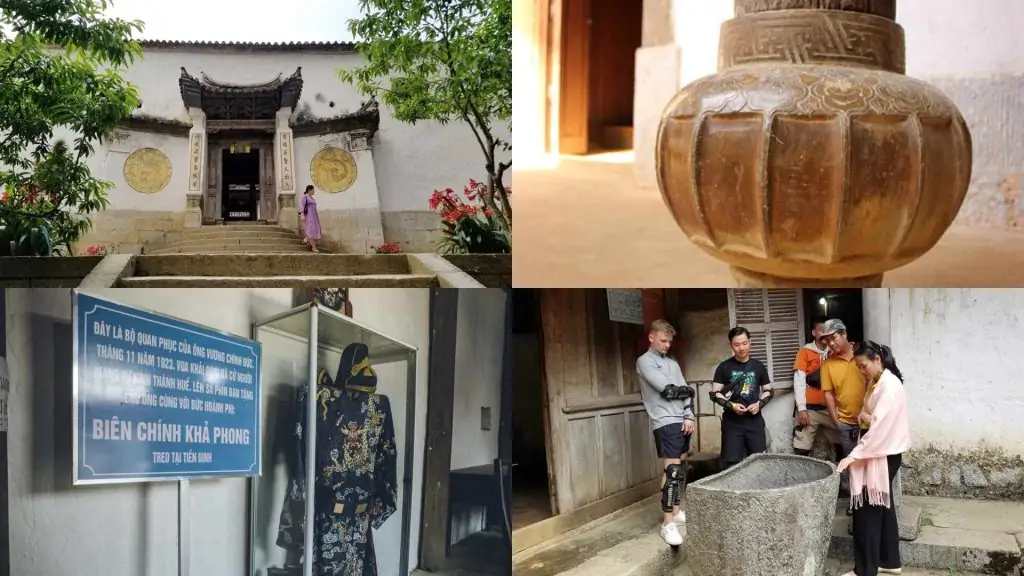
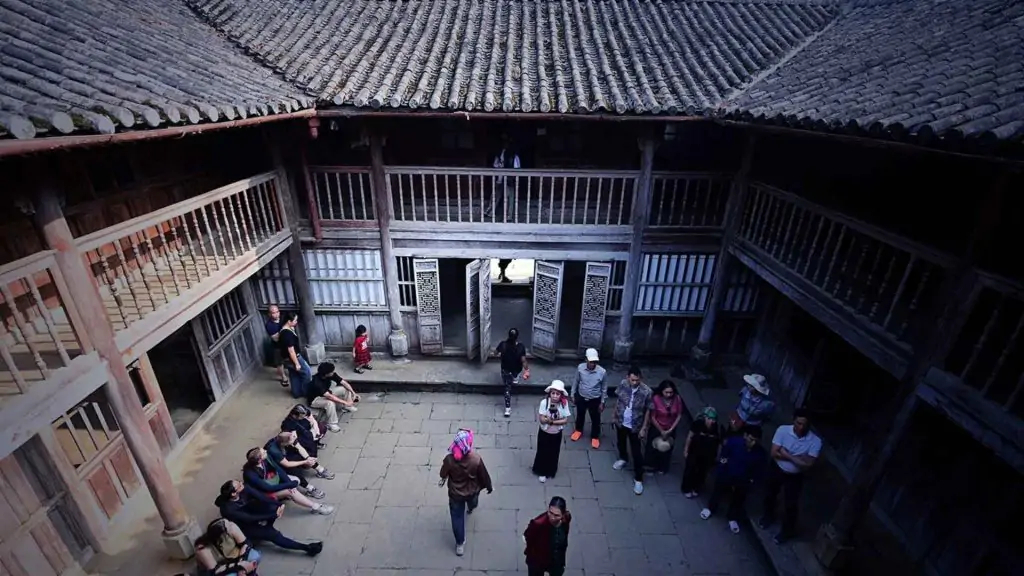
Stepping inside the Hmong King Palace feels like entering a secluded mountain citadel where every stone, wooden pillar, and carved beam reflects its history of power, craftsmanship, and defense. Spanning nearly 3,000 m², the complex features 64 interconnected rooms across two stories, designed to serve as an administrative headquarters, family residence, and military fortress.
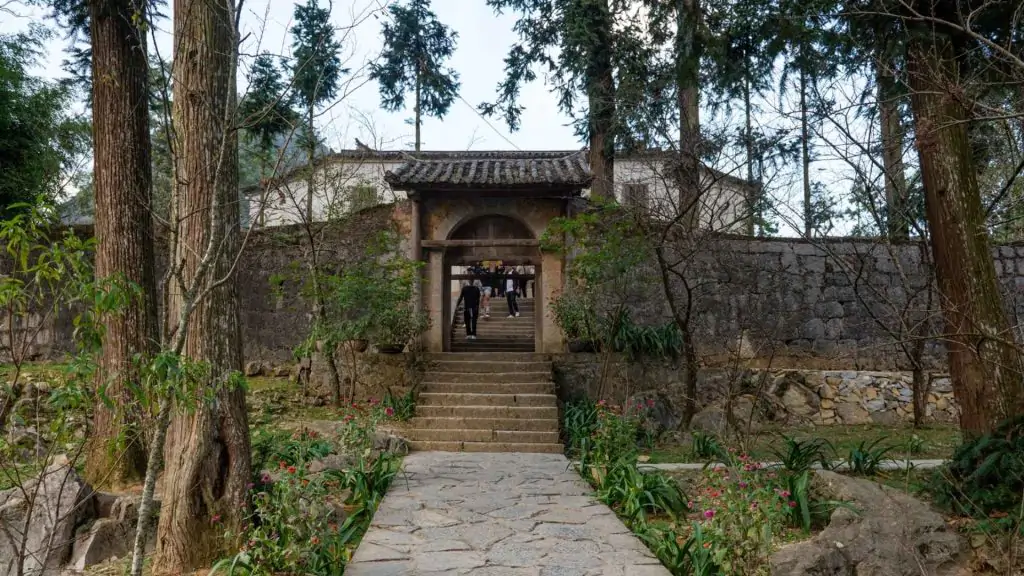
The approach to the Hmong King Palace begins along a stone-paved avenue shaded by century-old Cunninghamia trees. Their towering trunks and dense canopy create a quiet, imposing atmosphere, making the walk toward the estate feel like a gradual step back in time.
At the end of the path stands the grand stone gate, built from hand-carved granite and slate blocks and topped with a wooden roof covered in traditional yin-yang tiles. Intricate stone reliefs adorn the entrance, including bat motifs symbolizing good fortune and prosperity. Together, these details offer a first glimpse into the craftsmanship and cultural influences that define the palace.
The Hmong King Palace features a closed, multi-courtyard layout inspired by traditional Qing Dynasty residential compounds. Its structure consists of four horizontal bays and six vertical rows arranged around inner courtyards, creating a connected complex that balances residential life, administrative activities, and security.
The front section lies just beyond the main gate and served as the estate’s first point of reception and daily operations. This area accommodated bodyguards, militia, and household servants, alongside administrative offices and reception rooms where official guests were welcomed. Its position near the entrance allowed the household to manage visitors and official affairs without compromising the privacy of the inner residence.
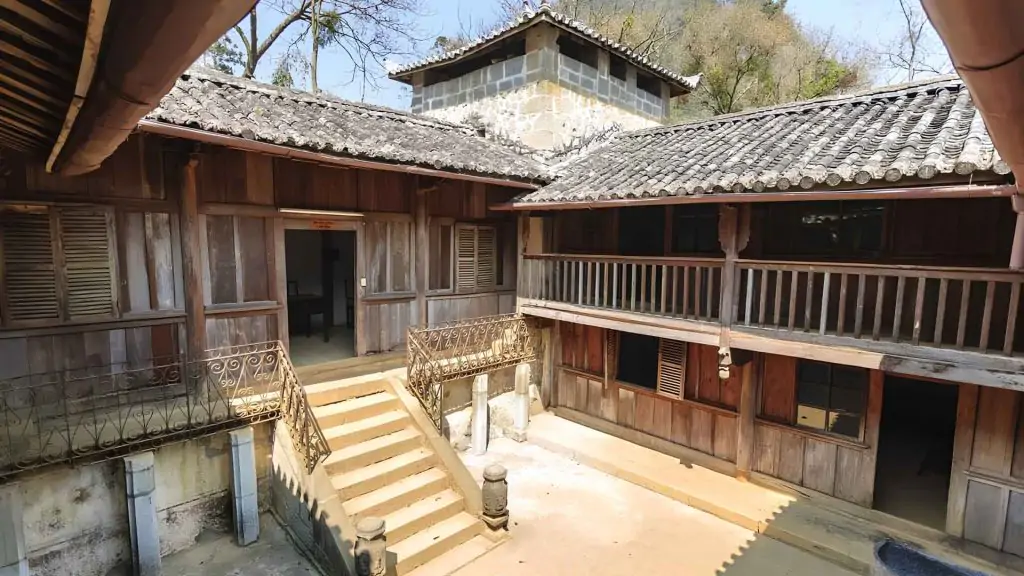
Moving inward, the middle section formed the heart of family life. Living chambers and dining halls provided space for daily activities, while the main ancestral altar room held a central place in the family’s spiritual traditions. The arrangement reflects the importance of family hierarchy, ancestor worship, and domestic life within the Vuong household.
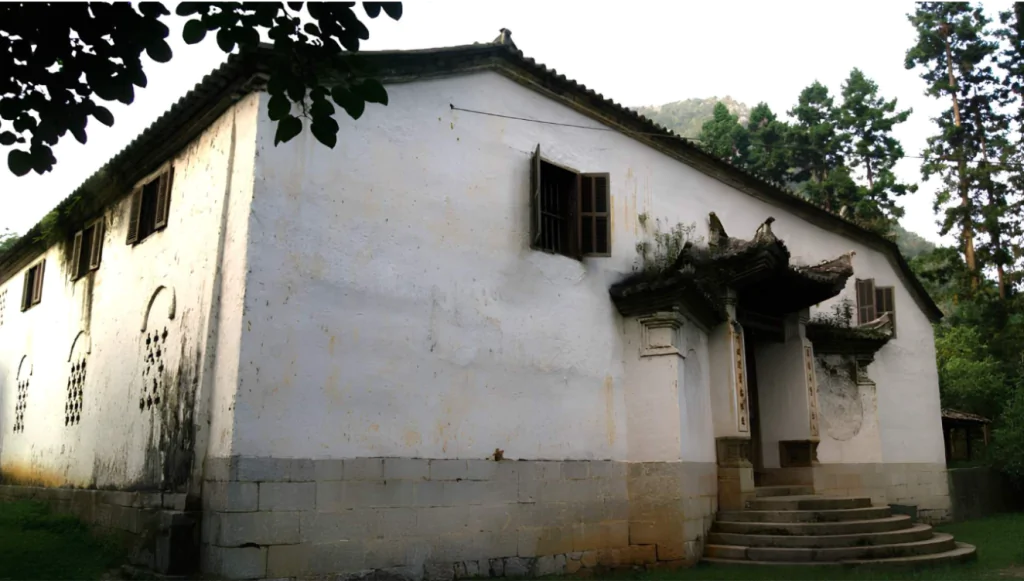
At the rear lies the most private and heavily secured section, which served as the residence and command center of patriarch Vuong Chinh Duc. Beyond the family’s private quarters, this area housed the treasury, armory, and grain stores, with passageways leading directly to defensive bunkers. Its secluded position highlights how the palace was designed not only as a family residence but also as a stronghold built to protect the Vuong family’s wealth and power.
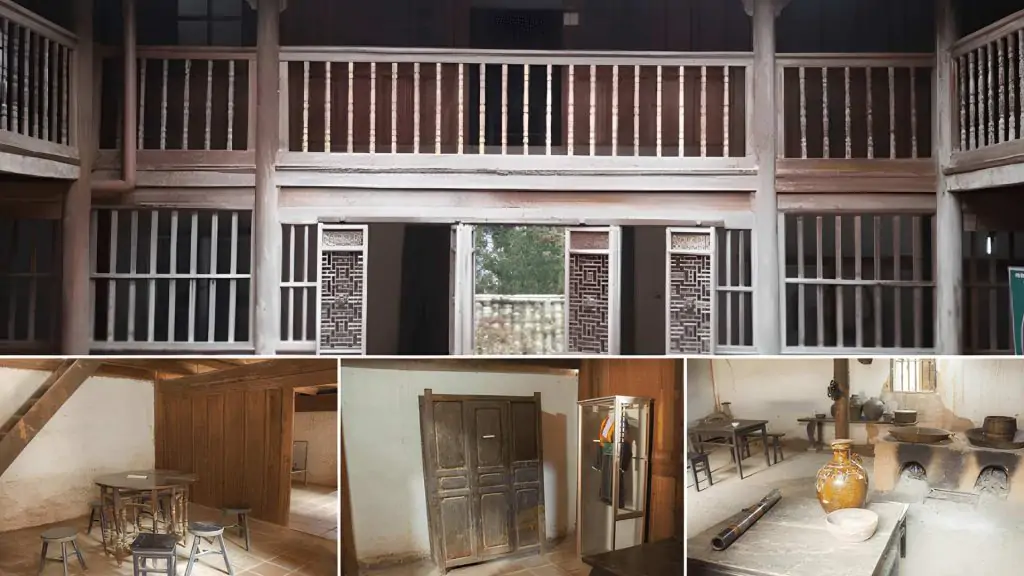
The palace’s distinctive features reveal a fascinating blend of Hmong traditions, Chinese influences, and French colonial elements, while reflecting its original role as both a family residence and a defensive stronghold.
Beyond exploring the palace itself, take time to enjoy these local experiences for a deeper connection with Hmong culture and daily life in Ha Giang.
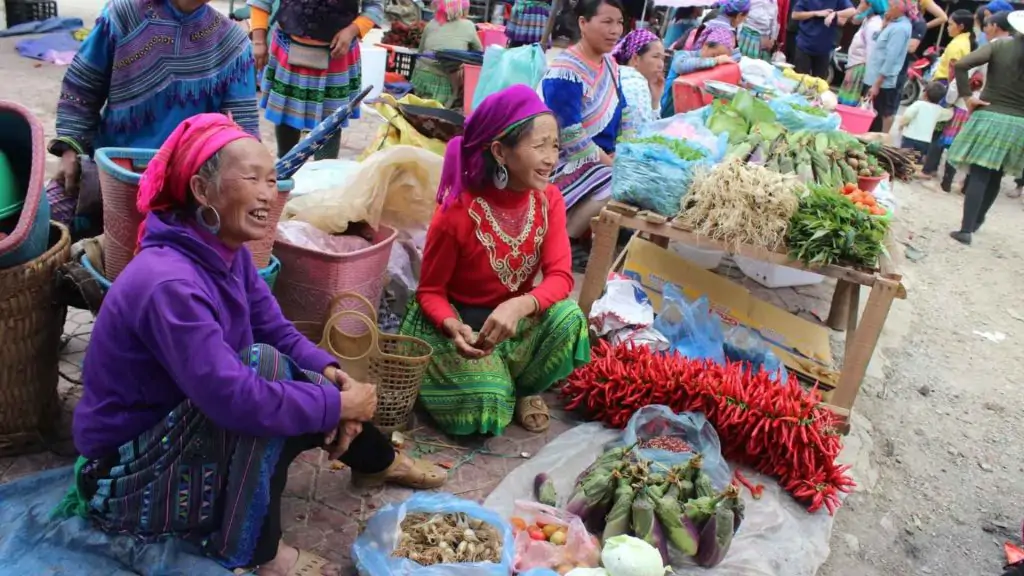
Planning a trip to the Hmong King Palace requires practical preparation to ensure a smooth, safe, and respectful journey through the high-altitude terrain of Ha Giang.
No. Drones are strictly banned due to border security regulations and site preservation unless you have an official military permit.
Yes. There is a spacious parking lot located right at the main road junction leading to the palace. It offers ample room for large tour buses to turn around and park safely.
His tomb is situated right on the hillside along the paved footway leading up to the palace. You can pause to pay your respects on your way in.
Yes. Popular nearby dining options include Tung Ty Restaurant, Restaurant & Coffee Hmong, and Com Nha Pa, among others.
The palace is approximately 26 km from the Lung Cu Flag Tower, which takes about 1 hour by car or motorbike.
The Hmong King Palace is more than just an architectural marvel, it is a timeless gateway into the rich history, culture, and enduring spirit of the Hmong people. As you journey through the dramatic landscapes of the Ha Giang Loop, make sure to pause at this ancient estate to step back in time, marvel at its unique craft, and create unforgettable memories. Safe travels on your highland adventure!
LET'S RIDE WITH US
 Duration:
4 Days/ 3 Nites
Destinations:
Hanoi - Vu Linh - Phu Yen - Moc Chau - Mai Chau - Hanoi.
Tour Level:
Chill Level Tours
 Duration:
4 Days/ 3 Nites
Destinations:
Hoi An - Nha Trang
Tour Level:
Chill Level Tours
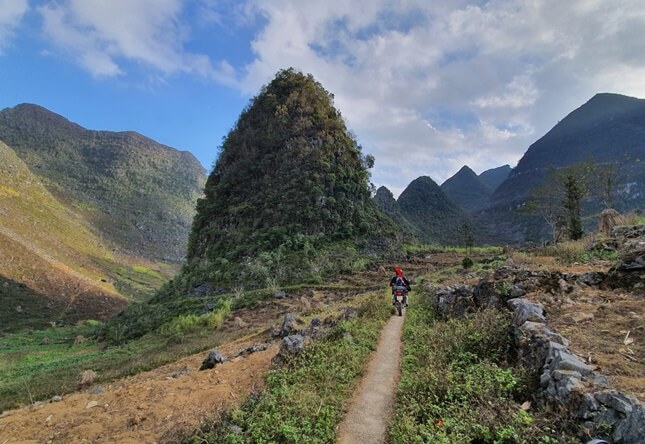 Duration:
5 Days/4 Nights
Destinations:
Hanoi
Tour Level:
Chill Level Tours
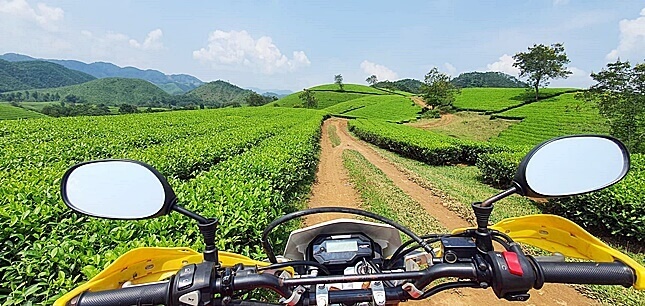 Duration:
5 Days / 4 Nights
Destinations:
Hanoi - Hanoi
Tour Level:
Chill Level Tours
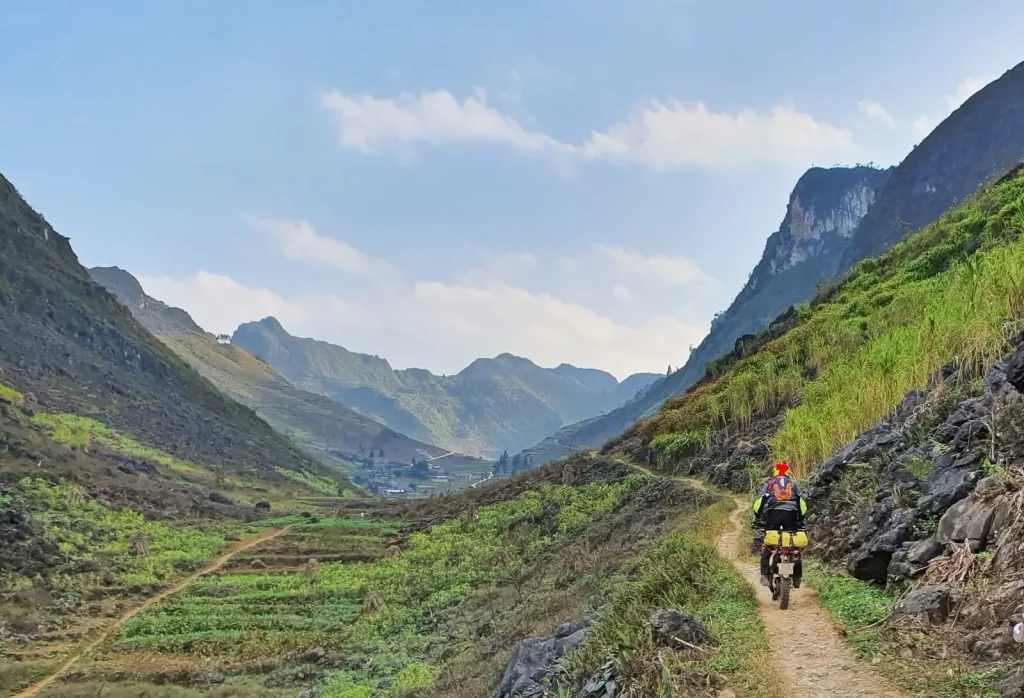 Duration:
5 Days/ 4 Nites
Destinations:
Hanoi - Lao Cai
Tour Level:
Chill Level Tours
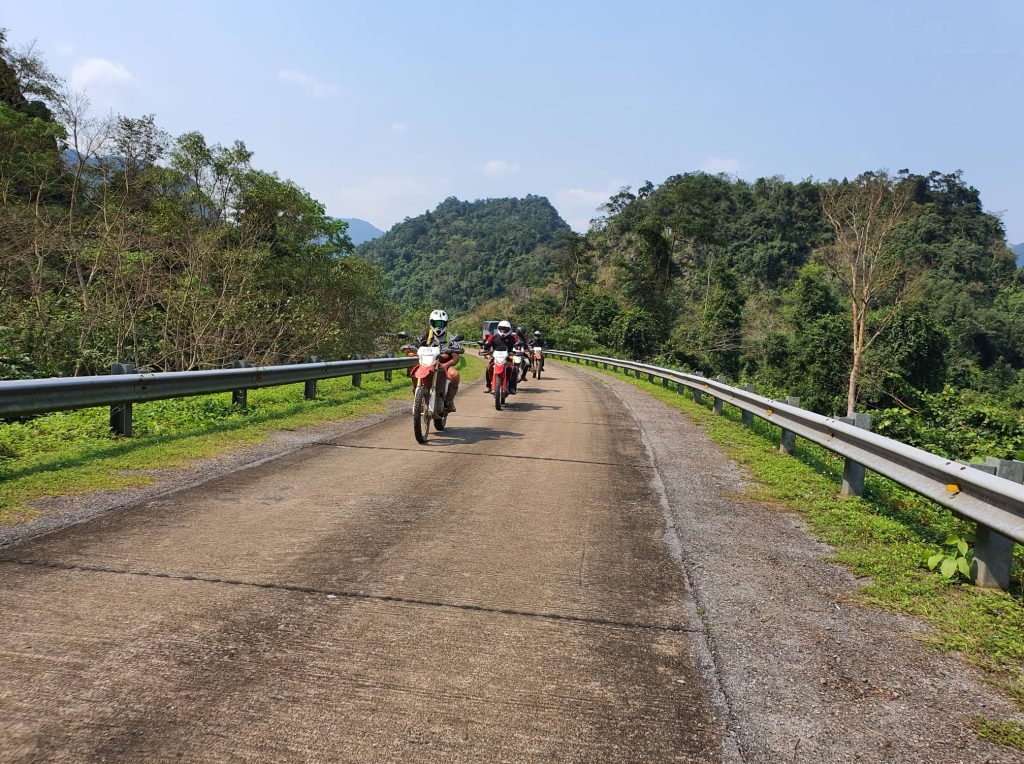 Duration:
11 Days / 10 Nites
Destinations:
Hanoi - Hoi An.
Tour Level:
Chill Level Tours
 Duration:
4 Days / 3 Nites
Destinations:
Hanoi - Vu Linh
Tour Level:
Chill Level Tours
 Duration:
6 Days/ 5 Nites
Destinations:
Hanoi - Thac Ba lake
Tour Level:
Chill Level Tours
4-Day Northern Vietnam Motorbike Tour From Hanoi
 Duration:
4 Days/ 3 Nites
 Tour Level:
Chill Level Tours - Moderate Level Tours
Experience the authentic Vietnam
Ride off the beaten track
Visit beautiful Thac Ba Lake
Interact with lovely local people
Riding some scenic offroad tracks
Enjoy a variety of local foods
4-Day Hoi An Motorbike Tour to Nha Trang
Duration:
4 Days/ 3 Nites
Tour Level:
Chill Level Tours
Ride off the beaten track
Visit hidden charms of central Vietnam
Visit historical sites
Experience the authentic Vietnam
Interact with lovely local people
Ride Historical Ho Chi Minh trail
5-Day Ha Giang Loop Motorbike Tour from Hanoi
Duration:
5 Days/4 Nights
Tour Level:
Challenging Level Tours - Moderate Level Tours
Explore amazing Ha Giang Loop
Ride off the beaten path
Interact with lovely local people
Visit Ba Be lake Lake & National Park
Enjoy scenic offroad trails
Experience authentic Vietnam
5-Day Great Sapa Motorbike Tour from Hanoi
Duration:
5 Days / 4 Nights
Tour Level:
Moderate Level Tours
Experience the authentic Vietnam
Interact with lovely local people
Beautiful view of rice terrace
Ride off the beaten track
See the largest lake of Thac Ba
Discover hidden beauty of Sapa
5-Day Vietnam Motorbike Tour to Ha Giang
Duration:
5 Days/ 4 Nites
Tour Level:
Chill Level Tours - Moderate Level Tours
Experience authentic Vietnam
Ride off the beaten path
Explore Ha Giang Loop & more
Interact with lovely local people
Enjoy a variety of Vietnamese food
Ride some scenic off-road trails
11-Day Top Vietnam Motorbike Tour
Duration:
11 Days / 10 Nites
Tour Level:
Chill Level Tours - Moderate Level Tours
Discover the legendary Ho Chi Minh trail
Learn a lot about Vietnam war history
Ride off the beaten track
Experience the authentic Vietnam
Interact with lovely local people
Ride some beautiful coastlines
4-Day Short North Vietnam Motorbike Tour
Duration:
4 Days / 3 Nites
Tour Level:
Chill Level Tours - Moderate Level Tours
Experience the authentic Vietnam
Interact with lovely local people
Visit beautiful Thac Ba lake
Ride off the beaten track
Enjoy a variety of local foods
Ride some scenic offroad tracks
6-Day Northwest Loop Motorbike Tour Vietnam
Duration:
6 Days/ 5 Nites
Tour Level:
Chill Level Tours - Moderate Level Tours
Experience the authentic Vietnam
Explore the hidden gems in Northwest
Visit beautiful Sapa
Ride off the beaten track
Enjoy great local food
Interact with lovely local people