Your message has been sent. Thank you!
 Your message has been sent. Thank you!
I'm ready to book
Hmm, I still need more information
My information
Detailed information
From $ USD
Ho Chi Minh Trail Motorcycle Tour – 12 Days

Duration:
12 Days/ 11 Nites

Destinations:
Hanoi - Nha Trang

Tour Level:
More offroad (>40%)

Highlight:
Destination:
Ha Noi
Mai Chau
Tan Ky
Phong Nha
Ke Bang National park
Khe Sanh
Vinh Moc tunnels
Hue
Da Nang
Hoi An
Kon Tum
Buon Me Thuat
Lak Lake
Nha Trang
Pickup from:
Hanoi, Airport or any hotel in Ha Noi city
Suitable Bikes:
Honda XR150L, Honda CRF300L,





Vietnamese desserts offer a delightful journey through a vibrant culinary landscape, characterized by the ingenious use of fresh tropical ingredients and subtle influences from French colonial history. This guide from Vietnam Motorbike Tour Expert delves into the diverse array of traditional sweet treats, from refreshing soups to unique baked goods, providing an insightful look into what makes Vietnamese desserts truly special.
Vietnamese desserts are a testament to the country’s rich culinary heritage, seamlessly blending the abundance of fresh tropical ingredients with historical French colonial influences. These sweet creations are incredibly diverse, encompassing a wide spectrum of textures, flavors, and temperatures. The main categories typically include:
At the heart of many Vietnamese desserts are core ingredients such as creamy coconut milk, aromatic pandan leaves, versatile glutinous rice, earthy mung beans, chewy tapioca pearls, and a rich variety of tropical fruits like bananas, mangoes, and durian.
This harmonious combination allows for a range of experiences, from refreshing iced desserts that provide respite from the heat to warm, comforting baked goods. Each dessert reflects Vietnam’s deep cultural diversity and its dynamic culinary evolution.
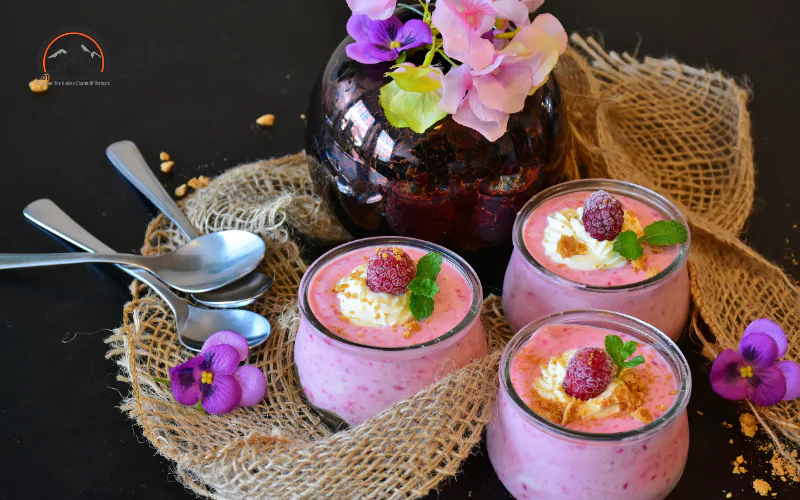
Chè Ba Màu, literally translating to “three-color dessert,” is one of the most visually striking and popular Vietnamese desserts. This vibrant dish is characterized by its distinct layers, offering a delightful interplay of colors, flavors, and textures. Typically, the bottom layer consists of red beans, followed by a middle layer of yellow mung beans or green jelly, and topped with a bright green pandan jelly.
This dessert beautifully showcases the variety inherent in Vietnamese desserts, providing a refreshing and sweet experience.
Chè Ba Màu is commonly served with a generous drizzle of sweetened coconut milk sauce and crushed ice, making it an ideal choice for cooling down in hot weather. Its eye-catching presentation also contributes to its widespread appeal, making it a favorite among both locals and visitors seeking a classic Vietnamese sweet treat.
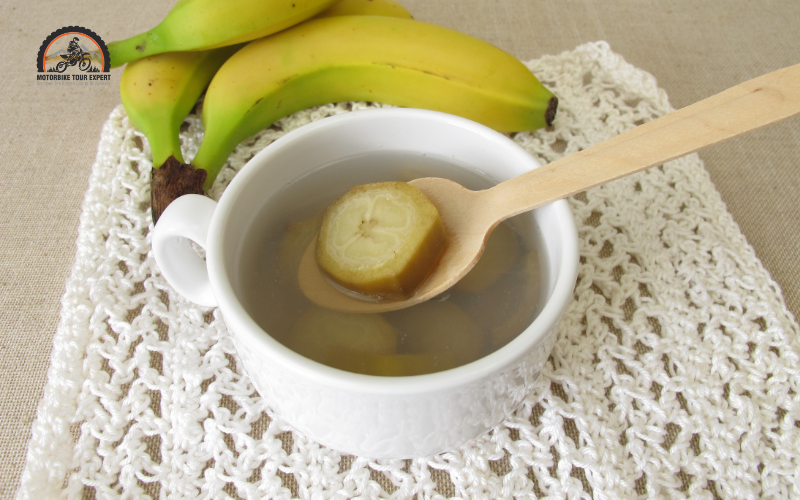
Chè Chuối, or Banana Coconut Sweet Soup, is a warm and comforting Vietnamese dessert that harmoniously combines the natural sweetness of ripe bananas with the rich, creamy texture of coconut milk. This beloved sweet soup often features tapioca pearls, which add a pleasant chewy texture that enhances the overall experience.
A subtle yet distinct fragrance is introduced by pandan leaves, elevating the aromatic profile of the dish. To further enhance its appeal, Chè Chuối is typically topped with roasted peanuts, providing a delightful crunch that contrasts with the soup’s soft components.
While the basic recipe is simple and accessible due to its core ingredients, numerous variations exist, sometimes incorporating taro, pumpkin, sweet potato, or green beans, each offering a unique twist on this classic Vietnamese dessert.
Chè Bắp, a Vietnamese sweet corn pudding, is recognized for its vibrant golden color and the delightful crunch of fresh corn kernels. This sweet soup highlights the quality of its primary ingredient, with high-quality corn—especially the Cam Nam corn from Hoi An—often preferred for its exceptional flavor. The pudding is typically drizzled generously with creamy coconut milk, which complements the sweetness of the corn and adds a rich, velvety texture.
Chè Bắp offers versatility in its serving temperature, as it can be enjoyed either warm or cold, making it a nutritious and refreshing choice, particularly suited for warmer climates.
Its preparation is relatively simple: corn is boiled, sugar is added, and the mixture is thickened, often with cornstarch, to achieve the desired consistency. This popular Vietnamese dessert is a staple in Hoi An, where it is frequently sought after by those looking to experience local flavors.
Chè Trôi Nước presents a unique and comforting experience among Vietnamese desserts, consisting of small, chewy sticky rice balls. Each of these soft orbs is typically filled with a delicate, sweet mung bean paste, offering a delightful contrast of textures. These sticky rice balls are then served immersed in a fragrant ginger syrup, which infuses the dish with a comforting warmth and a subtly spicy aroma.
This particular dessert is believed to have Chinese origins and has become especially popular in northern Vietnam, particularly during the colder months when its warming properties are most appreciated. The ginger syrup provides a comforting sensation, while the contrasting textures—a chewy exterior giving way to a smooth, sweet filling—make Chè Trôi Nước a truly satisfying and traditional Vietnamese dessert.
While widely recognized as a Thai-inspired delicacy, Xôi Xoài, or Mango Sticky Rice, has found a beloved place among Vietnamese desserts, particularly as an internationally recognized sticky rice treat. This dish masterfully combines the rich creaminess of coconut milk with the refreshing sweetness of ripe mangoes, creating a harmonious tropical flavor profile.
The preparation involves soaking glutinous rice, then steaming it until tender, after which it is mixed with a sweetened coconut milk infusion. The warm, fragrant sticky rice is then served alongside slices of fresh mango and often garnished with sesame seeds for added texture and aroma.
Xôi Xoài is considered a perfect tropical dessert, especially suited for warm weather, celebrated for its unique chewy texture and deep coconut flavor infusion, making it a standout example of rice-based Vietnamese desserts.
Chuôi Nếp Nướng, or Grilled Banana Sticky Rice, is a popular street food that exemplifies the innovative spirit of Vietnamese desserts. This unique treat features ripe bananas that are carefully coated in a glutinous sticky rice flour mixture.
The wrapped bananas are then grilled, a process that creates a wonderfully crispy and caramelized exterior, encasing a soft and sweet interior.
The grilling process imparts a distinctive charred and smoky flavor, adding depth to the dessert’s profile. Sometimes, the coating may also include sesame seeds or peanuts, which contribute extra crunch and aroma.
Chuôi Nếp Nướng has gained international recognition, even being acknowledged by CNN Food as one of the world’s best desserts. This delightful and accessible Vietnamese dessert can be found readily at street corners throughout Vietnam, offering a truly authentic culinary experience.
Bánh Flan, Vietnam’s adaptation of the classic French crème caramel, stands as a testament to the country’s ability to refine and personalize foreign culinary influences, making it a distinct inclusion.
This dessert features a smooth, velvety custard base, meticulously prepared with eggs, milk, and sugar. Often, it is subtly infused with vanilla or coconut, adding a fragrant Vietnamese twist to the traditional recipe.
To achieve its signature silky consistency, Bánh Flan is typically cooked in a water bath. Its defining characteristic is the signature caramel layer, which forms a glistening, rich syrup when the custard is inverted.
This transformation reveals a visually appealing and delicious dessert that showcases both Vietnamese culinary finesse and its historical connection to French gastronomy.

Bánh Da Lợn, often referred to as “pig skin cake” due to its resemblance to layers of pig skin when sliced, is a visually appealing and texturally intriguing Vietnamese dessert.
This steamed layer cake is known for its alternating vibrant green and yellow layers, typically flavored with pandan and mung beans, respectively. Each layer is meticulously steamed individually, a process that contributes to its distinct chewy texture.
The cake is predominantly made from a blend of mung beans, tapioca starch, rice flour, and coconut milk, which together create its unique consistency and flavor.
Preparing Bánh Da Lợn requires a notable amount of patience and skill to ensure that each layer sets perfectly and the final product achieves its appealing visual and textural harmony. Its intricate construction and appealing colors make it a captivating example of traditional Vietnamese desserts.
Bánh Chuối, or Vietnamese Banana Cake, is a beloved and versatile Vietnamese dessert that celebrates the natural sweetness of ripe bananas, combined with the creamy richness of coconut milk to create a moist and dense texture.
This comforting cake can be prepared through three popular methods: baked, steamed, or even as a deep-fried pancake, each offering a slightly different textural experience.
The dessert is typically made with simple ingredients including ripe bananas, flour, sugar, and coconut milk, allowing the inherent sweetness of the bananas to shine through.
Bánh Chuối is a common sight in Vietnamese bakeries and coffee shops, reflecting its widespread appeal and its role as a versatile and accessible choice among Vietnamese desserts, with numerous delightful variations available.
Bánh Đậu Xanh, the Vietnamese Mung Bean Cake, holds a significant place among traditional Vietnamese desserts, with its origins firmly rooted in Hai Duong province.
This distinct cake is crafted primarily from finely ground mung beans, sugar, a hint of pomelo flower oil for fragrance, and a small amount of fat. The result is a rectangular cake with a smooth, dry, and powdery texture that melts delicately in the mouth.
Characterized by its beautiful golden yellow color and attractive aroma, Bánh Đậu Xanh requires careful attention during its preparation, particularly in the selection and roasting process of the mung beans to achieve its signature flavor.
This sweet treat is traditionally best served alongside green tea, as the tea’s slight bitterness perfectly balances the cake’s sweetness. Bánh Đậu Xanh stands as a testament to Vietnam’s rich culinary heritage and is a quintessential example of its uniqueness.
Bánh Bò, often referred to as Honeycomb Cake, is a unique and intriguing Vietnamese dessert known for its distinctive internal structure. This honeycomb appearance is a result of the yeast fermentation process used in its creation.
The cake is primarily made from a simple yet effective combination of rice flour, creamy coconut milk, sugar, and yeast, which collectively contribute to its singular texture.
Once prepared, Bánh Bò is typically steamed, resulting in a cake that is soft, fluffy, and possesses a delightful slight chewiness. It can be flavored with either pandan for a vibrant green hue and aromatic taste, or with coconut for a pure, sweet essence.
Commonly found in the Mekong Delta region, this dessert is prized for its spongy texture and subtle sweetness, offering a light and pleasant culinary experience.
Bánh Tiêu, often described as Vietnamese Hollow Donuts, are a simple yet immensely popular Vietnamese dessert that offers a delightful textural experience.
These donuts are made from a straightforward dough of wheat flour, sugar, and yeast, which is then deep-fried until it achieves a perfect crispiness and a beautiful golden-brown color. The frying process causes the dough to puff up, creating a characteristic hollow interior.
The result is a donut with a wonderfully crispy exterior that gives way to a soft, fluffy interior. Bánh Tiêu can be enjoyed plain, allowing its subtle sweetness and texture to shine, or it can be filled with various sweet additions such as bean paste, shredded coconut, or sesame seeds for an enhanced flavor.
Often paired with hot soy milk or traditional Vietnamese coffee, these versatile Vietnamese desserts are readily available from street vendors to more upscale restaurants across the country.
Bánh Rán, or Fried Glutinous Rice Balls, are a popular and satisfying Vietnamese dessert known for their delightful contrast in textures. These round glutinous rice balls are deep-fried until golden brown and are typically coated generously in sesame seeds, which create a crispy outer layer. This crisp sesame coating perfectly contrasts with the soft, chewy interior of the rice ball.
Inside, Bánh Rán usually contains a sweet yellow mung bean paste filling, adding another layer of flavor and smooth texture to the overall experience. With their appealing golden-brown appearance, these sesame-coated treats are popular among individuals of all ages and are frequently enjoyed during festive occasions.
Bánh Đúc Lá Dứa, a Pandan Rice Cake, is a beloved and visually appealing Vietnamese dessert celebrated for its soft, chewy texture and distinctive subtle pandan fragrance. This delightful cake is primarily made from rice flour, fresh pandan leaves, sugar, and rich coconut cream, ingredients that contribute to its unique taste and consistency.
The preparation involves mixing pandan juice with rice flour, after which the mixture is steamed until it sets into a soft cake. Once cooled, Bánh Đúc Lá Dứa is typically cut into convenient bite-sized pieces, making it easy to enjoy.
It is often served with additional toppings such as roasted peanuts, shredded coconut, or sesame seeds, which enhance its flavor and add textural contrast.
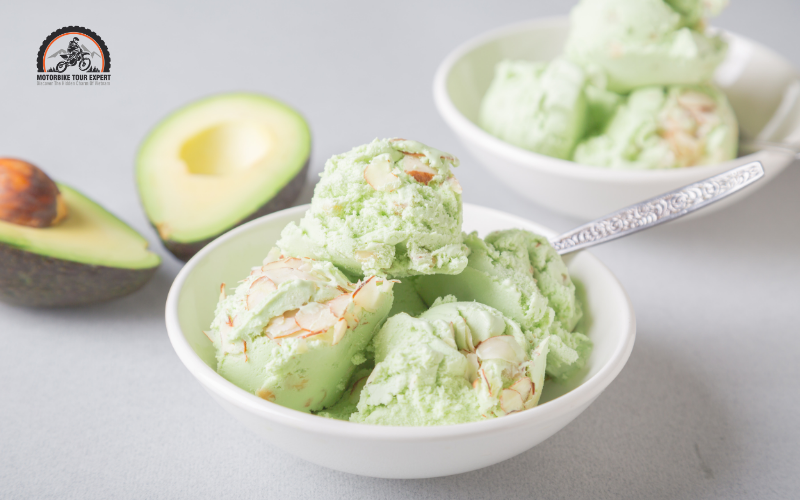
Kem Bơ, or Vietnamese Avocado Ice Cream, is a unique and refreshing specialty, particularly renowned as a signature food from Bac My An Market in Da Nang. This delightful layered dessert offers a perfect tropical treat, especially suited for hot weather. The dish typically features a base layer of mashed avocado, which provides a creamy and rich foundation.
This is then topped with a generous scoop of ice cream, often coconut-flavored, and a drizzle of coconut milk, further enhancing its creamy texture. To complete the experience, Kem Bơ is usually garnished with dried coconuts and crunchy peanuts, adding both texture and additional flavor dimensions.
The combination of the smooth richness of avocado with the cold ice cream creates an indulgent and visually appealing dessert with multiple layers of taste and texture, making it a standout dessert.
Kem Xôi, or Sticky Rice with Ice Cream, is an innovative and highly popular Vietnamese dessert that masterfully combines contrasting temperatures and textures for a unique culinary experience. This dessert features warm, fragrant sticky rice, which serves as a comforting base, topped with a generous scoop of cold ice cream.
Typically, the ice cream used is flavored with either coconut or durian, enhancing the tropical notes of the dish. The blend of warm sticky rice with cold, creamy ice cream creates a surprising and delightful contrast that is both comforting and incredibly refreshing.
Kem Xôi is widely available at street vendors and dessert shops across Vietnam, making it an accessible and favorite choice, particularly during hot summer days.
Tào Phờ, or Vietnamese Tofu Pudding, is a silky, custard-like tofu dessert known for its exceptionally soft and delicate texture. This light and refreshing Vietnamese dessert is typically served with a subtle jasmine syrup or accompanied by soy milk, allowing the delicate flavor of the tofu to shine.
Historically, Tào Phờ was often sold by street hawkers who would carry their wares in baskets suspended from bamboo sticks, announcing their presence with the traditional shout, “Ai… tào phớ đây.”
The pudding is traditionally made by congealing soy milk using a coagulant like GDL, which contributes to its extra soft consistency.
Rau Câu, or Vietnamese Jelly, is a popular and versatile Vietnamese dessert made from agar-agar, a gelling agent derived from seaweed. Unlike traditional gelatin, agar-agar results in a jelly with a firmer, more resilient texture. This dessert is incredibly adaptable and can be flavored with a wide array of ingredients, including creamy coconut, aromatic pandan, rich coffee, or various vibrant fruit juices.
Rau Câu is renowned for its vibrant colors and often features intricate, artistic designs, making it visually appealing as well as delicious. Its attractive presentation adds to its popularity, especially at gatherings. As a plant-based option, it serves as a vegetarian-friendly alternative to animal gelatin.
Bò Bía Ngọt, or Sweet Vietnamese Spring Rolls, are a delightful and unique dessert that showcases a fascinating cultural fusion, drawing inspiration from Chinese popiah (fresh spring rolls). These sweet rolls utilize a thin crepe, typically made from a mixture of rice and wheat flour, as their delicate wrapper.
The filling of Bò Bía Ngọt is distinct, consisting of broken pieces of sugar candy, freshly grated coconut, and black sesame seeds. The sugar candy itself is prepared by boiling and then molding it into hollow cylinders, which are then broken into small, chewable pieces.
These sweet spring rolls are traditionally served with roasted peanuts for added crunch and a drizzle of condensed milk, enhancing their sweetness. Popular as a childhood snack, Bò Bía Ngọt beautifully represents the blend of Vietnamese culinary traditions.
To truly experience the authentic flavors of Vietnamese desserts, street vendors and local markets are often the most reliable and affordable options, with prices typically ranging from 5,000 to 15,000 VND. These bustling locations provide direct access to freshly prepared treats and offer a glimpse into local culinary traditions.
For those seeking specific recommendations in major cities:
When seeking out quality Vietnamese desserts, look for indicators such as the use of fresh ingredients, adherence to traditional preparation methods, authentic flavors, and appealing presentation. These desserts are available nationwide, from humble street stalls to more upscale restaurants, ensuring that a sweet indulgence is always within reach.
Vietnamese desserts offer a diverse and rich culinary experience, from refreshing sweet soups like Chè Ba Màu to unique cakes such as Bánh Da Lợn and beloved street foods like Chuôi Nếp Nướng. Characterized by their fresh ingredients, creative combinations, and often subtle cultural influences, these treats truly reflect Vietnam’s vibrant gastronomic landscape. Understanding their unique characteristics and where to find them can significantly enhance your appreciation of Vietnam’s sweet traditions.
LET'S RIDE WITH US
 Duration:
4 Days/ 3 Nites
Destinations:
Hanoi - Vu Linh - Phu Yen - Moc Chau - Mai Chau - Hanoi.
Tour Level:
Chill Level Tours
Duration:
4 Days/ 3 Nites
Destinations:
Hanoi - Vu Linh - Phu Yen - Moc Chau - Mai Chau - Hanoi.
Tour Level:
Chill Level Tours
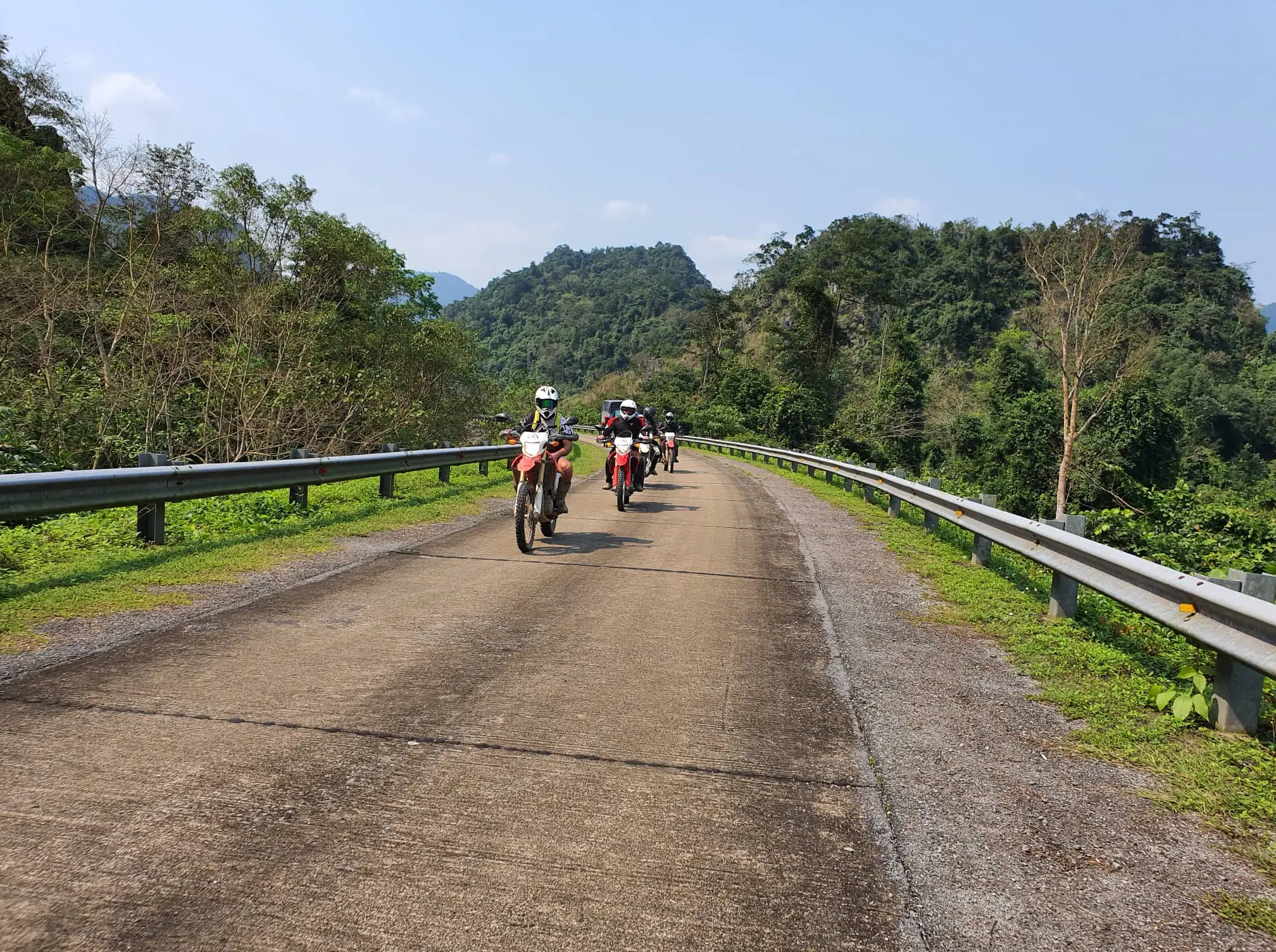 Duration:
11 Days / 10 Nites
Destinations:
Hanoi - Hoi An.
Tour Level:
Chill Level Tours
Duration:
11 Days / 10 Nites
Destinations:
Hanoi - Hoi An.
Tour Level:
Chill Level Tours
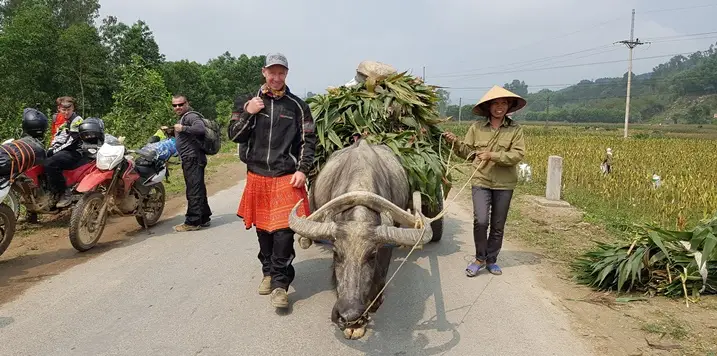 Duration:
4 Days / 3 Nites
Destinations:
Hanoi - Vu Linh
Tour Level:
Chill Level Tours
Duration:
4 Days / 3 Nites
Destinations:
Hanoi - Vu Linh
Tour Level:
Chill Level Tours
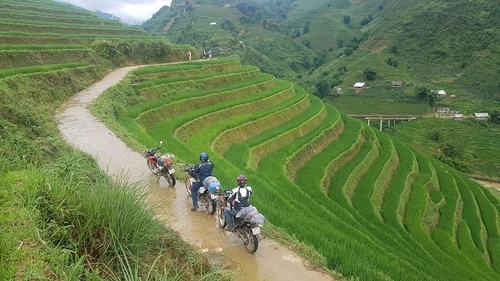 Duration:
6 Days/ 5 Nites
Destinations:
Hanoi - Thac Ba lake
Tour Level:
Chill Level Tours
Duration:
6 Days/ 5 Nites
Destinations:
Hanoi - Thac Ba lake
Tour Level:
Chill Level Tours
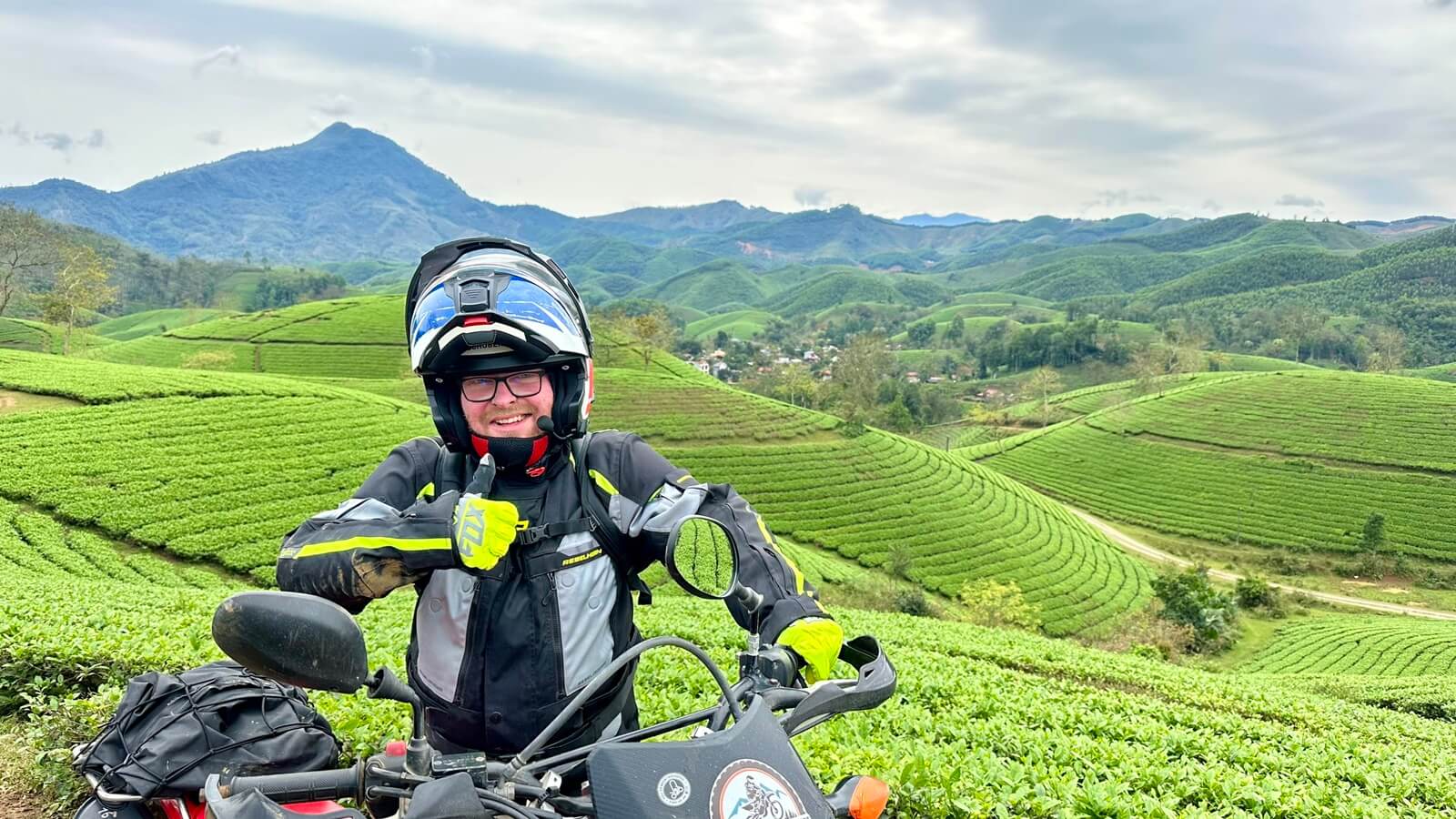 Duration:
7 Days / 6 Nites
Destinations:
Hanoi - Sapa
Tour Level:
Chill Level Tours
Duration:
7 Days / 6 Nites
Destinations:
Hanoi - Sapa
Tour Level:
Chill Level Tours
 Duration:
7 Days/ 6 Nights
Destinations:
Hanoi - Moc Chau - Sapa
Tour Level:
Chill Level Tours
Duration:
7 Days/ 6 Nights
Destinations:
Hanoi - Moc Chau - Sapa
Tour Level:
Chill Level Tours
 Duration:
15 Days/ 14 Nites
Destinations:
Hanoi - Ha Long bay
Tour Level:
Chill Level Tours
Duration:
15 Days/ 14 Nites
Destinations:
Hanoi - Ha Long bay
Tour Level:
Chill Level Tours
 Duration:
4 Days/ 3 Nites
Destinations:
Hanoi - Thac Ba lake
Tour Level:
Chill Level Tours
Duration:
4 Days/ 3 Nites
Destinations:
Hanoi - Thac Ba lake
Tour Level:
Chill Level Tours
4-Day Northern Vietnam Motorbike Tour From Hanoi
 Duration:
4 Days/ 3 Nites
Duration:
4 Days/ 3 Nites
 Tour Level:
Chill Level Tours - Moderate Level Tours
Tour Level:
Chill Level Tours - Moderate Level Tours
Experience the authentic Vietnam
Ride off the beaten track
Visit beautiful Thac Ba Lake
Interact with lovely local people
Riding some scenic offroad tracks
Enjoy a variety of local foods
11-Day Top Vietnam Motorbike Tour
Duration:
11 Days / 10 Nites
Tour Level:
Chill Level Tours - Moderate Level Tours
Discover the legendary Ho Chi Minh trail
Learn a lot about Vietnam war history
Ride off the beaten track
Experience the authentic Vietnam
Interact with lovely local people
Ride some beautiful coastlines
4-Day Short North Vietnam Motorbike Tour
Duration:
4 Days / 3 Nites
Tour Level:
Chill Level Tours - Moderate Level Tours
Experience the authentic Vietnam
Interact with lovely local people
Visit beautiful Thac Ba lake
Ride off the beaten track
Enjoy a variety of local foods
Ride some scenic offroad tracks
6-Day Northwest Loop Motorbike Tour Vietnam
Duration:
6 Days/ 5 Nites
Tour Level:
Chill Level Tours - Moderate Level Tours
Experience the authentic Vietnam
Explore the hidden gems in Northwest
Visit beautiful Sapa
Ride off the beaten track
Enjoy great local food
Interact with lovely local people
7-Day Motorbike Tour In North Vietnam
Duration:
7 Days / 6 Nites
Tour Level:
Chill Level Tours - Moderate Level Tours
Experience authentic Vietnam
Interact with lovely local people
Ride off the beaten path
Visit all the "Must-See" in North
Enjoy scenic off-road trails
Learn about Vietnamese culture
7-Day Amazing Motorbike Tour To The Hidden Lands Vietnam
Duration:
7 Days/ 6 Nights
Tour Level:
Chill Level Tours - Moderate Level Tours
Discover hidden charms of Northwest Vietnam
Ride fun offroad
Experience the authentic Vietnam
Experience beautiful Sapa
Interact with lovely local people
Ride off the beaten track
Hanoi Street Food Tour
Duration:
15 Days/ 14 Nites
Tour Level:
Experience the authentic Vietnam
Explore beautiful nature in North Vietnam
Interact with lovely local people
Ride scenic offroad trails
Ride off the beaten track
Visit Natural Heritage Ha Long Bay
4-Day Northwest Vietnam Motorbike Tour
Duration:
4 Days/ 3 Nites
Tour Level:
Chill Level Tours - Moderate Level Tours
Experience the authentic Vietnam
Visit beautiful Thac Ba lake
Interact with lovely local people
See the quiet countryside Vietnam
Ride off the beaten track E
Enjoy great local food