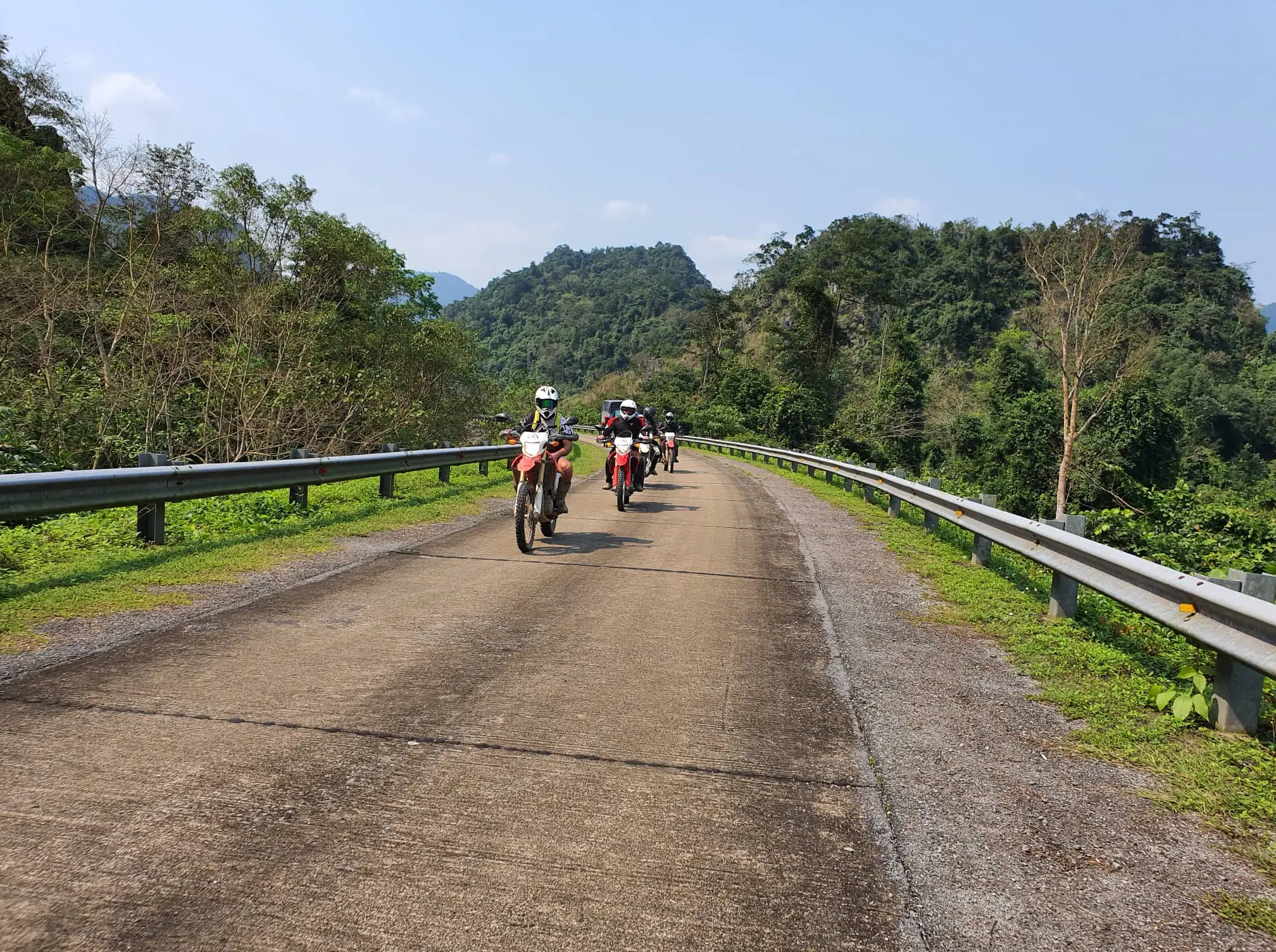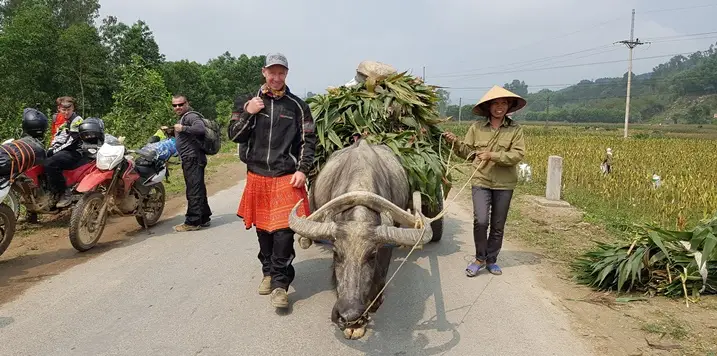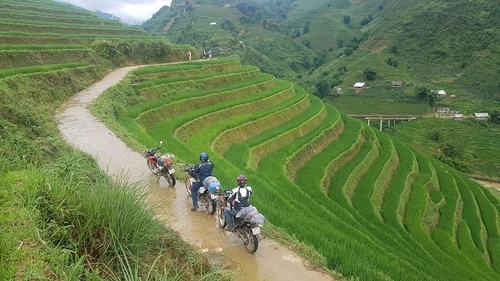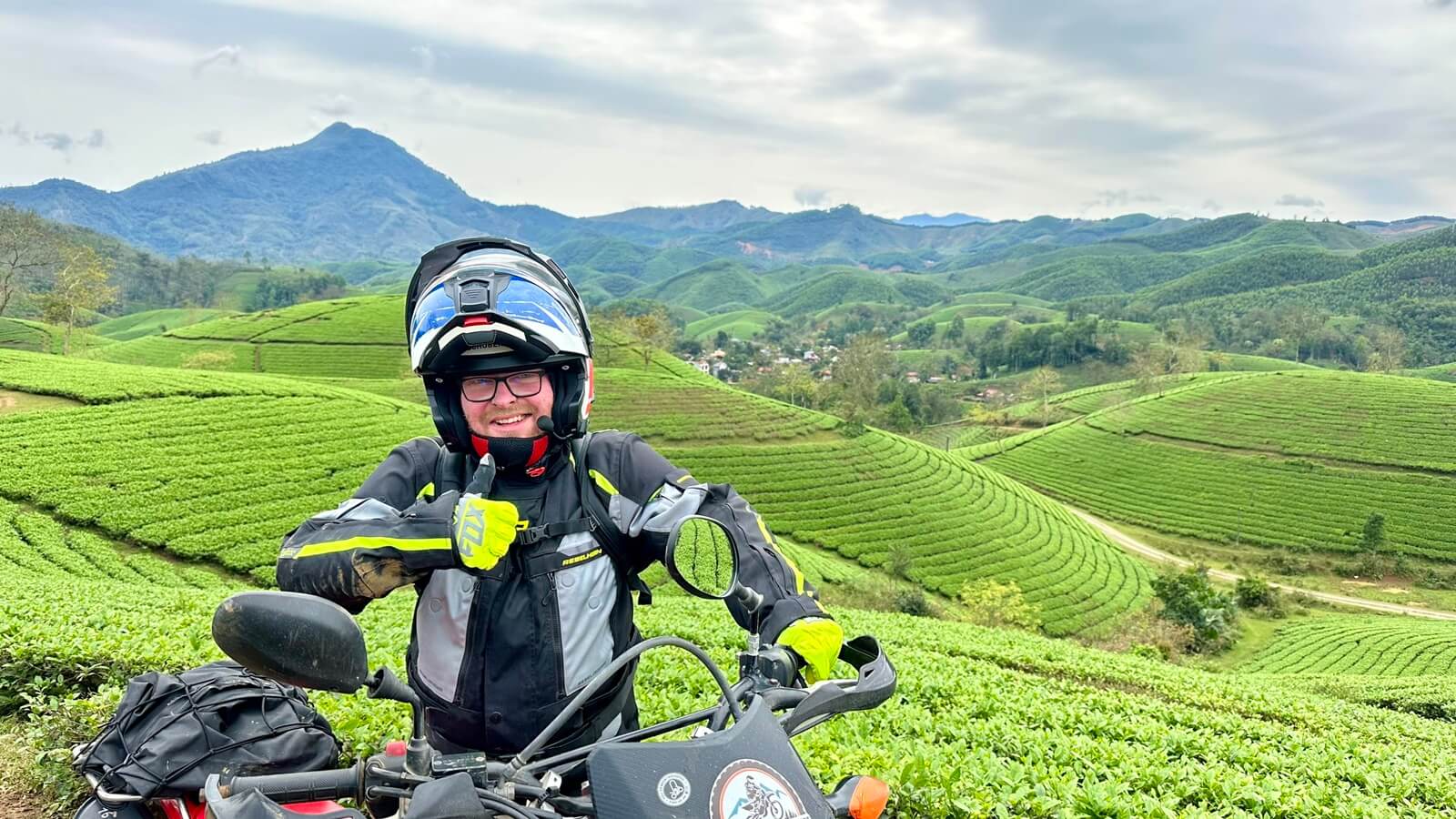


A southern Vietnam travel guide is essential for planning a trip because the region’s distinct tropical climate, river-based culture, and sprawling metropolis require a completely different approach than the North. At Vietnam Motorbike Tour Expert, we have spent years navigating these roads, helping travelers move beyond the guidebooks to experience the authentic pulse of the South.
1. Why visit Southern Vietnam?
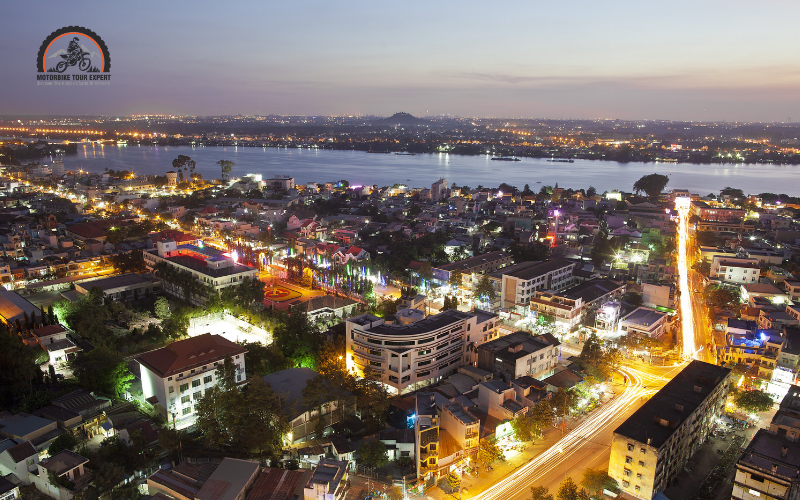
Southern Vietnam offers a vibrant contrast to the rest of the country, defined by the chaotic energy of Ho Chi Minh City (Saigon), the laid-back river life of the Mekong Delta, and the sun-drenched beaches of Phu Quoc. Unlike the four distinct seasons of the North, the South is perpetually tropical and warm, creating an inviting atmosphere year-round.
From our experience on the ground, we see that travelers often arrive in the South expecting ancient pagodas and quiet tradition, only to be swept up in a dynamic, fast-moving modernization. The “vibe” here is open, commercial, and incredibly friendly.
Whether you are weaving through traffic in Saigon or drifting down a canal in Ben Tre, the region promises an intensity of flavor and experience that is unmatched. A comprehensive southern Vietnam travel guide helps you navigate this energy, ensuring you find the balance between the urban rush and rural serenity.
2. Best time to visit Southern Vietnam
The climate in Southern Vietnam is generally split into two distinct seasons. Unlike the North, you don’t need to worry about a freezing winter here.
- Dry Season (November to April): This is widely considered the best time to visit Southern Vietnam. The skies are blue, humidity is manageable, and it is the perfect window for beach lovers heading to Phu Quoc.
- Rainy Season (May to October): While “rainy season” sounds daunting, it typically involves short, heavy afternoon downpours rather than days of drizzle. The countryside turns incredibly lush and green during this time.
3. Estimated budgeting for your trip to Southern Vietnam
One of the most frequent questions we receive at Vietnam Motorbike Tour Expert is, “How much cash should I carry?” While digital payments are growing, cash is still king in street markets. Based on the latest pricing, here is a realistic breakdown to help you plan your southern Vietnam travel guide budget.
| Expense Category | Backpacker Budget (USD) | Mid-Range Budget (USD) | Notes |
|---|---|---|---|
| Daily Total | $25 – $35 | $50 – $80 | Per person, per day. |
| Accommodation | $5 – $8 (Hostel Bed) | $11 – $20+ (Private Room) | Prices rise in peak season. |
| Food & Drink | $1 – $3 (Street Food) | $5 – $10 (Sit-down Meal) | Street food offers incredible value. |
| Transport | $5 – $10 (Local Bus) | $15+ (Taxi/Private) | Sleeper buses save on accommodation. |
4. How to get around Southern Vietnam
Navigating the South can be intimidating due to the sheer volume of traffic. However, the intercity transport network is robust and reliable.
- Intercity Buses: For long distances (like Saigon to Can Tho), sleeper buses are the standard. We highly recommend Futa Bus (Phuong Trang) and Kumho Samco. Travelers consistently report that these companies are clean, punctual, and safe compared to smaller, off-brand operators.
- Pro Tip: You will be asked to remove your shoes upon boarding.
- Booking Platforms: Use Vexere.com to check schedules and book tickets in advance. It saves you the hassle of negotiating at the station.
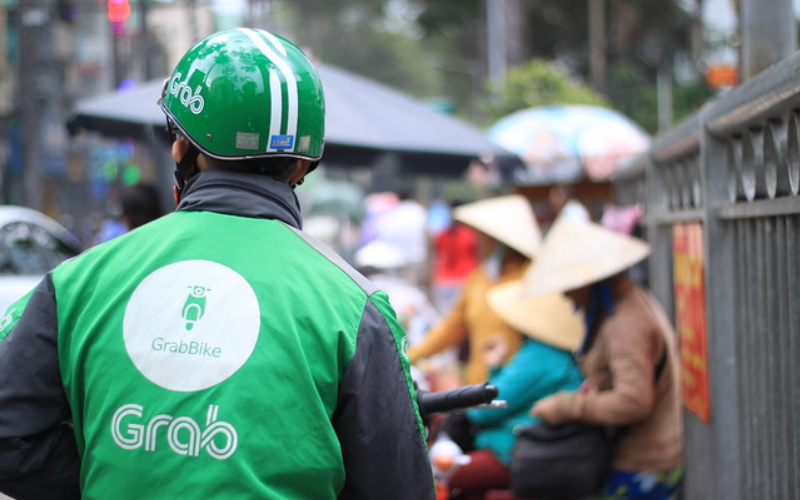
- Ride Hailing: Within cities, Grab is essential. It functions exactly like Uber. Motorbike taxis (GrabBike) are significantly cheaper and faster than cars during rush hour.
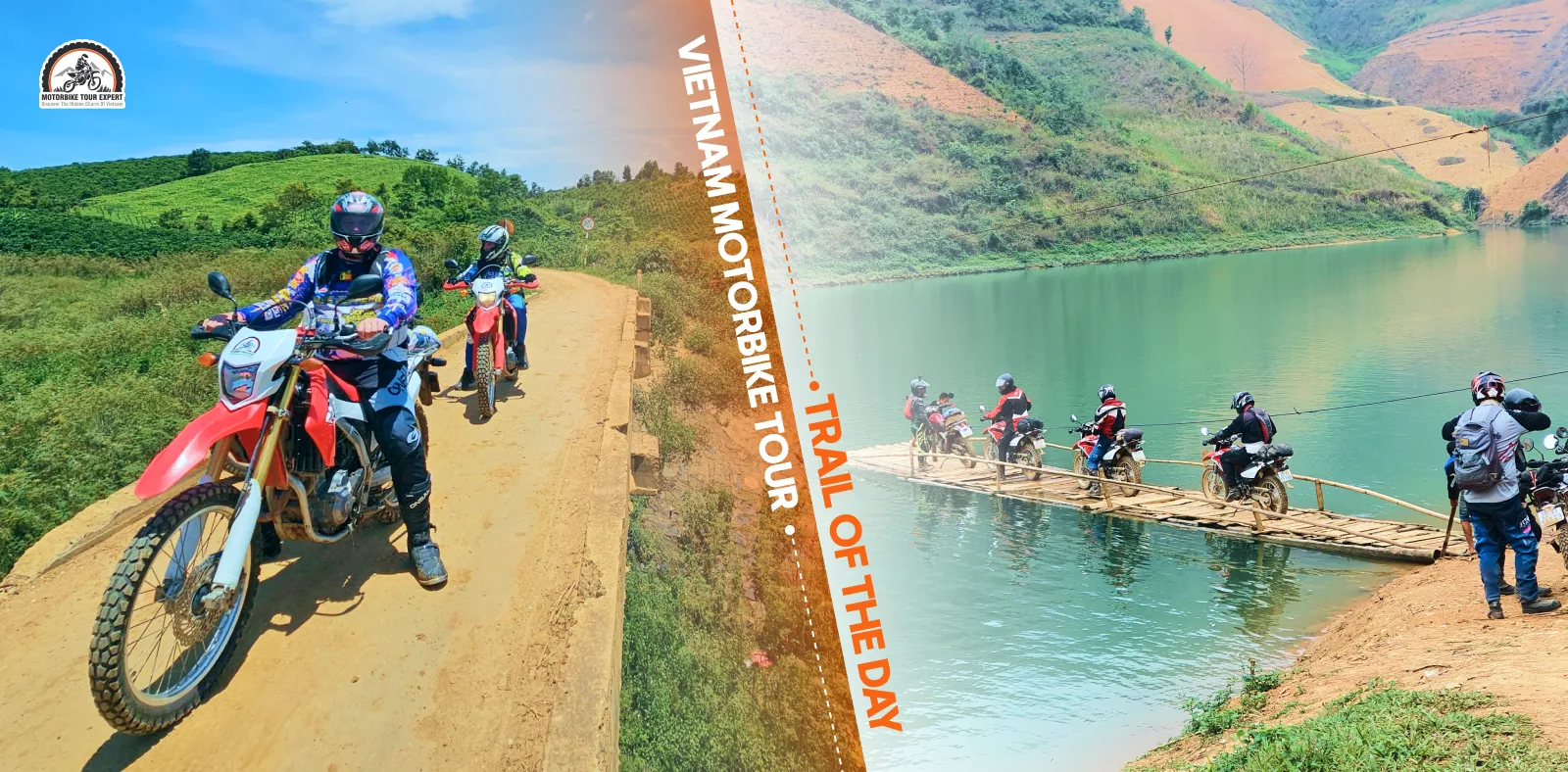
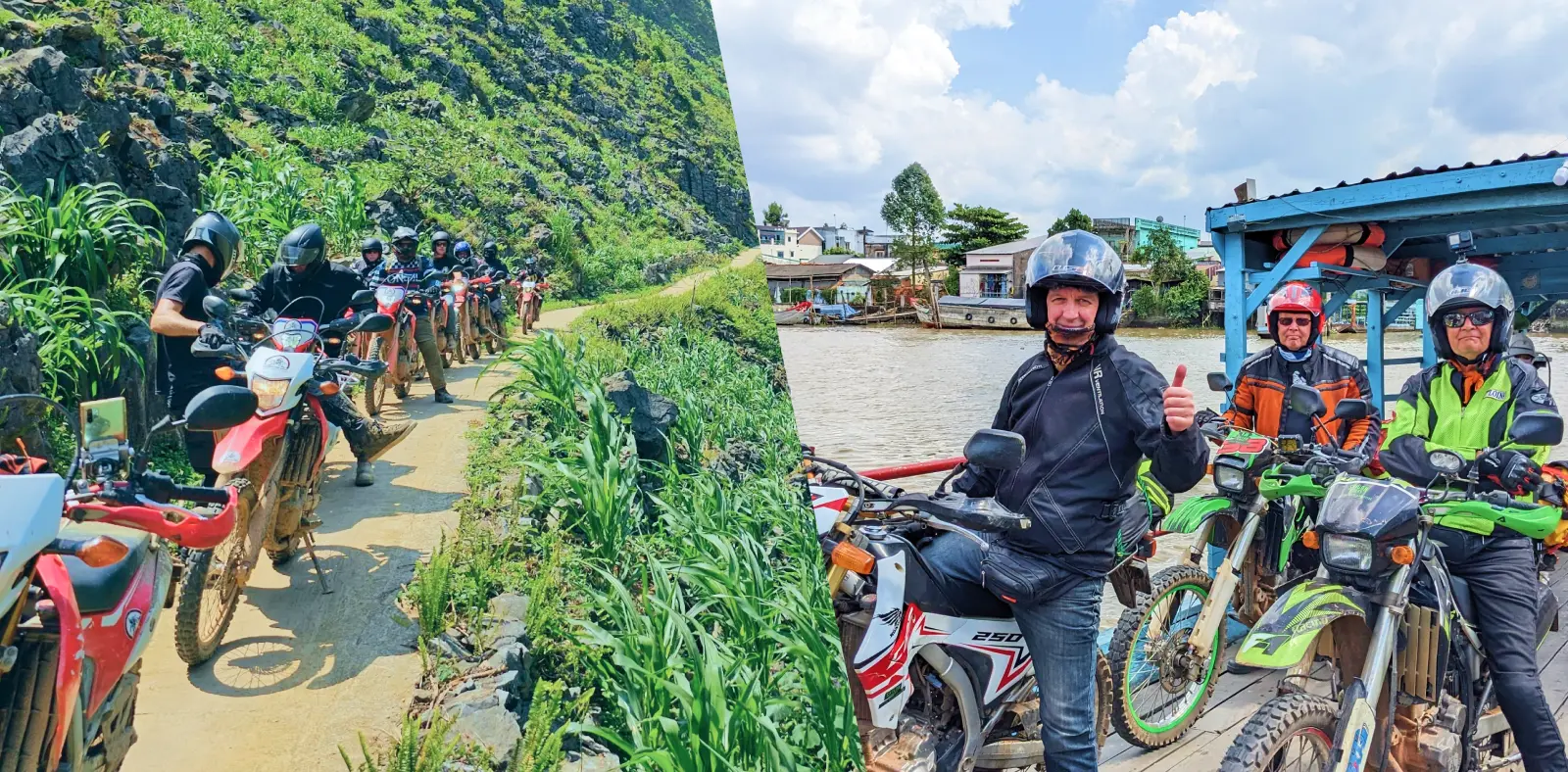
While buses are convenient, we always believe the best way to truly see the landscape is on two wheels. Our tours at Vietnam Motorbike Tour Expert offer a level of freedom that a bus window simply cannot provide.
5. Where to visit in Southern Vietnam?
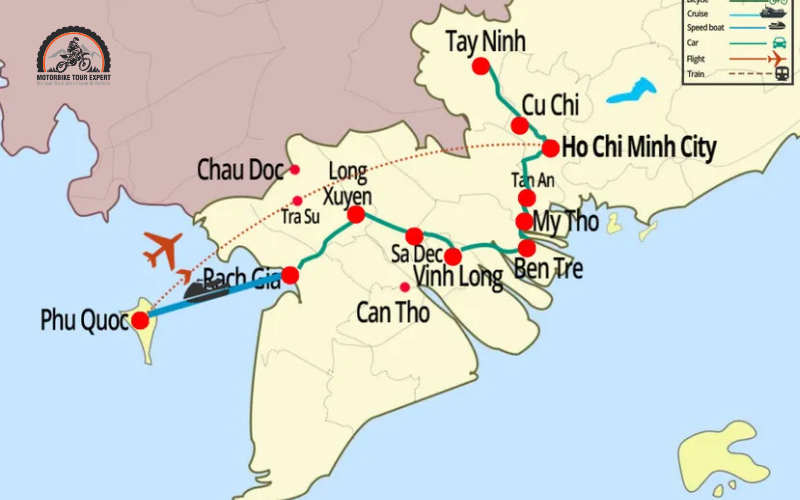
A complete southern Vietnam travel guide must cover the “Big Three”: Ho Chi Minh City, Mekong Delta, and Phu Quoc Island.
5.1. Ho Chi Minh City (Saigon)
Saigon is the economic heartbeat of Vietnam. It is loud, chaotic, and utterly captivating.
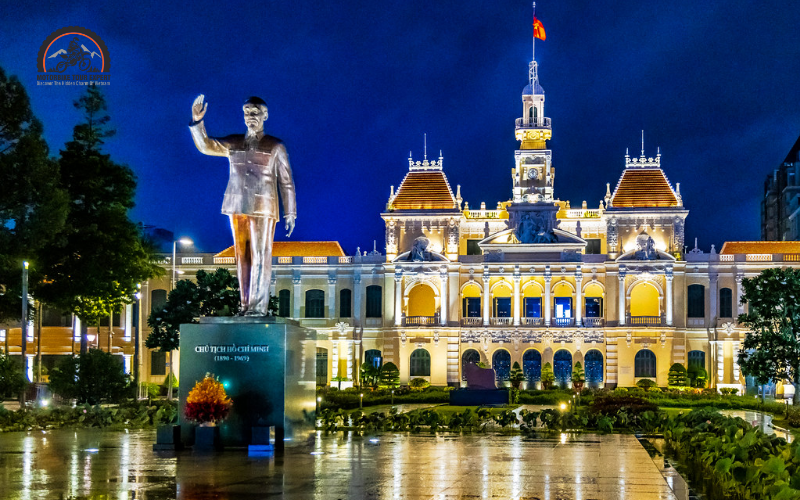
- Must-See History: The War Remnants Museum is a sobering but essential stop. Nearby, the Notre Dame Cathedral and Reunification Palace offer glimpses into the colonial and wartime past.
- Local Experience: While Ben Thanh Market is famous, many of our riders find it overly touristy. For a more authentic look at local commerce, wander the streets of District 3 or District 5 (Cholon).
- Traffic Reality: We often hear visitors express genuine shock at the “sea of motorbikes.” Crossing the street here is an art form—walk slowly and predictably, and the traffic will flow around you.
5.2. The Mekong Delta & Floating Markets
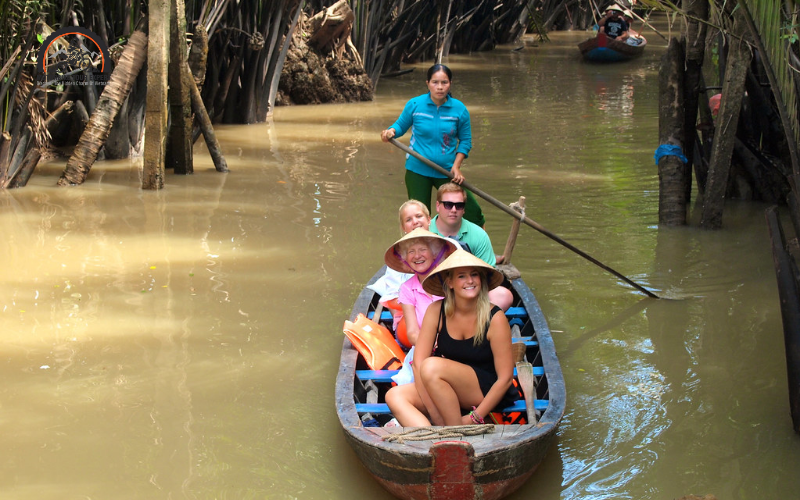
Known as the “Rice Bowl of Vietnam,” the Delta is a maze of rivers, swamps, and islands.
- The Reality of Cai Rang: A major point of discussion in recent travel communities is the state of the Cai Rang Floating Market. It is important to manage expectations: the market is shrinking due to modern infrastructure.
- It now hosts approximately 200 boats, a sharp decline from a decade ago.
- To see it at its best, you must arrive between 5:00 AM and 7:00 AM. Arriving later usually results in disappointment.
- Alternative Activities: Beyond the market, the true charm of the Mekong Delta lies in the small canals of Ben Tre or Vinh Long, where you can visit fruit orchards and see coconut candy workshops.
>>READ MORE: Best Time to Visit Mekong Delta: A Complete Guide
5.3. Phu Quoc Island
For relaxation, Phu Quoc is the premier destination in the South.
- Visa Note: The 30-day visa exemption applies here if you fly directly from abroad.
- Best Time: Strictly November to April. We have seen many travelers ruin their beach holiday by booking in July, only to face rough seas and grey skies.
- Development: Be aware that the island has developed rapidly. For quieter beaches, head to the north or the southeast tips of the island.
>>READ MORE: Vietnam Beaches: Exploring the Coastal Treasures of Vietnam
6. Must-Eat Southern Vietnamese Food
Southern cuisine is distinctively sweeter and spicier than the food in Hanoi. No southern Vietnam travel guide is complete without listing these staples.
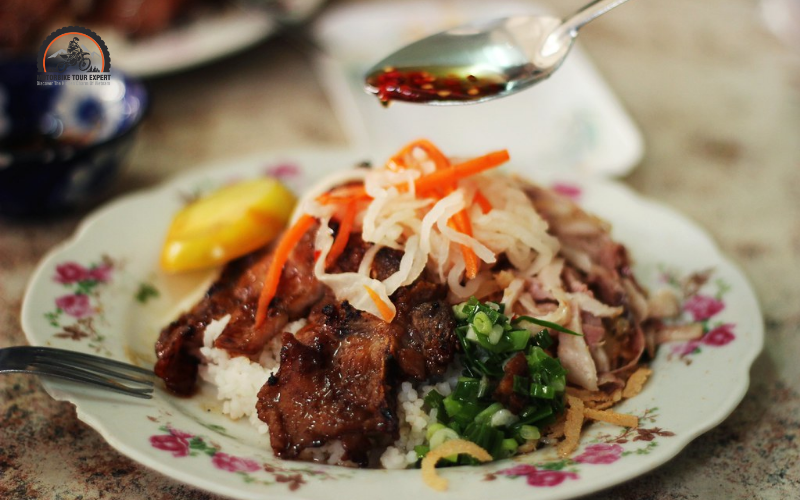
- Cơm Tấm: This is the quintessential Saigon breakfast or lunch. It features a grilled pork chop served over “broken” rice grains, topped with green onions and fish sauce.
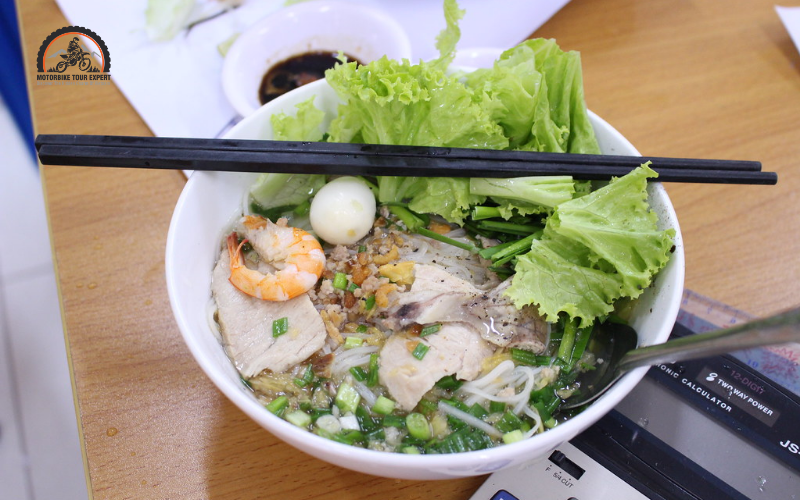
- Hủ Tiếu: While Pho is famous globally, Hủ Tiếu is the king of noodles in the South. It can be served wet (soup) or dry (with sauce on the side).
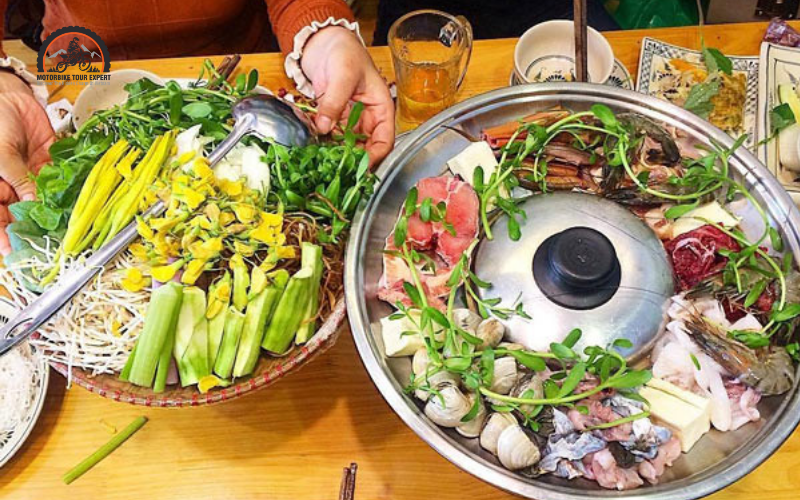
- Lẩu Mắm: A specialty of the Mekong Delta, this fermented fish hotpot is packed with flavor and local river vegetables. It’s an adventurous dish that rewards the brave.
7. Practical tips when visiting Southern Vietnam
Staying connected is crucial for maps and translation when you’re in Southern Vietnam
- SIM Cards: We strongly recommend Viettel for the best coverage, especially if you plan to leave the main cities or explore remote areas on a motorbike. Vinaphone is a solid runner-up for urban centers.
- Cost: A tourist data package typically costs between 150,000 and 200,000 VND ($6–$9 USD). You can easily buy these at the airport or recognized stores in the city.
Exploring Southern Vietnam offers an incredible mix of culture, history, and natural beauty. From the neon lights of Saigon to the quiet waterways of the Mekong, this region rewards those who plan ahead. We hope this southern Vietnam travel guide has given you the confidence to book your ticket. If you are looking for your next adventure after the south, be sure to check out our sapa vietnam travel guide for a journey into the northern mountains. For those ready to ride, contact Vietnam Motorbike Tour Expert today to start planning the trip of a lifetime.