Your message has been sent. Thank you!
 Your message has been sent. Thank you!
I'm ready to book
Hmm, I still need more information
My information
Detailed information
From $ USD
Ho Chi Minh Trail Motorcycle Tour – 12 Days

Duration:
12 Days/ 11 Nites

Destinations:
Hanoi - Nha Trang

Tour Level:
More offroad (>40%)

Highlight:
Destination:
Ha Noi
Mai Chau
Tan Ky
Phong Nha
Ke Bang National park
Khe Sanh
Vinh Moc tunnels
Hue
Da Nang
Hoi An
Kon Tum
Buon Me Thuat
Lak Lake
Nha Trang
Pickup from:
Hanoi, Airport or any hotel in Ha Noi city
Suitable Bikes:
Honda XR150L, Honda CRF300L,



Traditional festivals in Vietnam are a vibrant reflection of the nation’s rich history and cultural identity, deeply rooted in agricultural cycles and spiritual beliefs. These events offer a unique window into the soul of Vietnamese society, showcasing a blend of solemn rituals and lively community celebrations. To find out more, read the article below from Vietnam Motorbike Tour Expert.
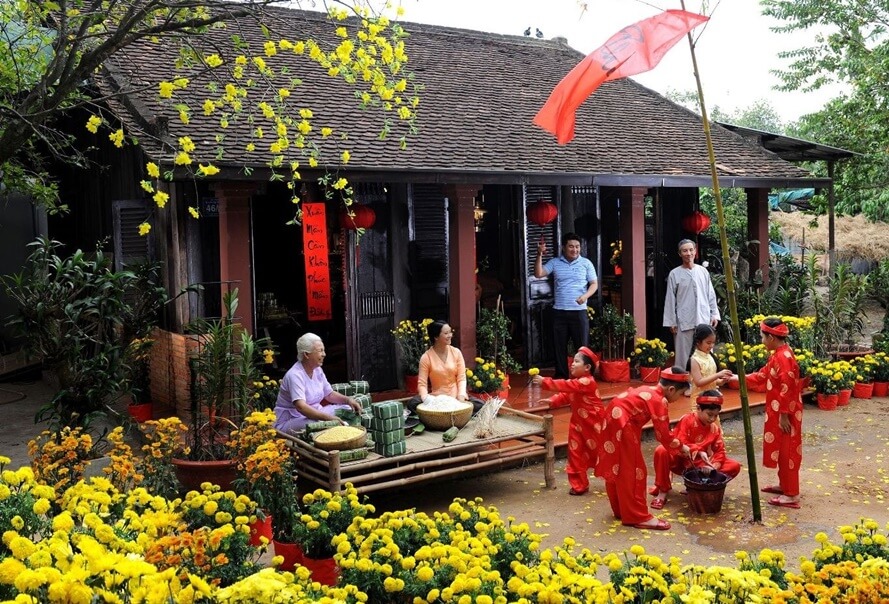
Tet Nguyen Dan, or Tet, is one of the most significant and widely celebrated traditional festivals in Vietnam, marking the beginning of the lunar new year. It is the most important of all holidays in Vietnam, a national event held from the last day of the 12th lunar month to at least the 3rd day of the 1st lunar month. Tet is a time for family reunions, honoring ancestors, and praying for a prosperous new year.
The festival’s origins are tied to the agricultural cycle, providing a period of rest and celebration after the harvest. Preparations often begin weeks in advance as families clean their homes, purchase new clothes, and prepare special foods.
Key activities during Tet include:
Ancestor Worship: Families present offerings to their ancestors and invite their spirits to join the celebration.
Family Gatherings: It is an occasion for relatives to travel and reunite, exchange well wishes, and give lucky money (lì xì) to children and elders.
Traditional Foods: Essential dishes like bánh chưng (square sticky rice cake) and bánh tét (cylindrical sticky rice cake) are prepared and enjoyed.
Visiting Pagodas: Many people visit temples and pagodas to pray for luck, health, and happiness in the coming year.
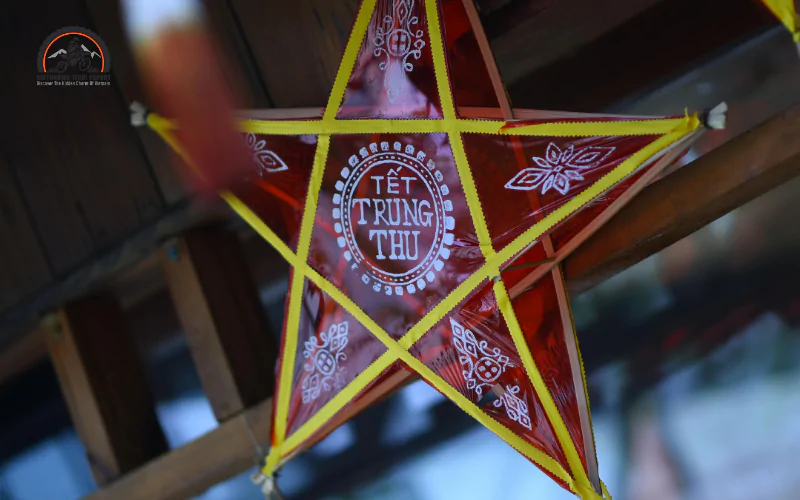
The Mid-Autumn Festival, known in Vietnamese as Tết Trung Thu, is another cherished celebration and one of the most popular festivals in Vietnam, especially for children. It takes place on the 15th day of the 8th lunar month. While its origins in other parts of Asia are linked to moon worship for a bountiful harvest, the Vietnamese version is primarily a festival for children. It’s seen as an opportunity for parents to spend time with their children after the busy harvest season.
Among the list of traditional festivals in Vietnam, this is characterized by the vibrant glow of lanterns. Children parade through the streets with colorful lanterns in various shapes like stars, fish, and butterflies. This tradition is linked to a legend where carp-shaped lanterns were used to scare away a malevolent spirit.
Core activities of the Mid-Autumn Festival include:
Lantern Parades: Children carrying lanterns is the most iconic image of the festival.
Mooncake Consumption: Families gather to eat mooncakes (bánh trung thu), which symbolize completeness and reunion.
Lion Dances: Energetic lion dance performances are common, believed to bring luck and prosperity.
Moon Gazing: It is a time for contemplating the full moon, which is at its brightest and most beautiful.
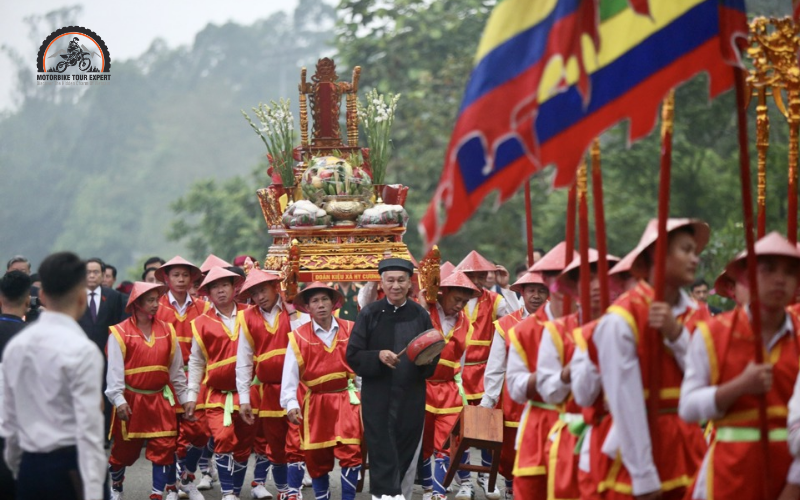
Recognized by UNESCO as an Intangible Cultural Heritage of Humanity, this Vietnamese festival is a profound symbol of national unity. Millions of people make the pilgrimage to Phu Tho to participate. The festival consists of two main parts:
Ceremonial Rites: Solemn rituals include an incense-offering ceremony led by government officials and a grand palanquin procession to honor the Hung Kings and pray for national prosperity.
Festive Activities: The celebratory part features a wide range of cultural activities and folk games, such as Xoan singing, wrestling, boat races, and competitions for making traditional cakes like bánh chưng and bánh dày.
The Perfume Pagoda Festival (Lễ hội Chùa Hương) is one of northern Vietnam’s most significant Buddhist pilgrimages, attracting hundreds of thousands of visitors. This is the most well-know traditional festival in Vietnam takes place in the scenic Huong Son complex in Hanoi and lasts for three months, officially beginning on the 6th day of the first lunar month. Its history dates back to the 17th century, linked to the spiritual journey of a Zen master.
This festival is a journey of spiritual discovery and a chance to connect with nature and cultural traditions. For many, it’s an occasion to pray for peace, luck, and prosperity in the new year. The journey to the main pagoda inside Huong Tich Cave is a central part of the pilgrimage.
Key aspects of this Vietnam festival include:
Boat Journey: Pilgrims take a scenic boat ride along the Yen Stream, passing by lush mountains and rice paddies.
Mountain Ascent: From the boat, visitors can either climb the mountain trails or take a cable car to reach the pagodas and caves.
Worship and Prayer: The central activities involve offering incense and prayers at various temples and inside the sacred caves.
Folk Performances: The festival atmosphere is enhanced by traditional arts like Chèo singing and lively lion and dragon dances.

Among the many traditional festival in Vietnam, the Giong Festival holds a special place. It is celebrated annually in several locations in Hanoi to commemorate the mythical hero, Saint Giong, who is revered for defending the nation against foreign invaders. The most prominent celebrations are held at the Phu Dong Temple in Gia Lam district and the Soc Temple in Soc Son district. In 2010, the Giong Festival was recognized by UNESCO as an Intangible Cultural Heritage of Humanity.
The festival at Phu Dong Temple, the birthplace of Saint Giong, takes place from the 7th to the 9th day of the fourth lunar month and meticulously reenacts the hero’s story. It follows a detailed script passed down through generations, featuring symbolic rituals and performances.
Key aspects of Giong Festival
Rituals: Various rituals are performed, such as water processions and sacrifices, to honor the hero and pray for peace and prosperity.
Community Participation: The entire community is involved, playing specific roles in the performances that have been passed down through families for centuries, which reinforces community bonds.
The Lim Festival, held annually around the 12th and 13th day of the first lunar month, is a distinctive cultural event centered in Bac Ninh province, the cradle of Quan họ folk singing. This is a truly unique traditional festival in Vietnam, celebrating this special musical art form, which was recognized by UNESCO as an Intangible Cultural Heritage of Humanity in 2009. The festival’s heart is on Lim Hill (đồi Lim), where Lim Pagoda is located.
Historically, the festival emerged in the 18th century and is associated with the mandarin who helped organize and promote Quan họ culture. It is a vibrant cultural space where people can immerse themselves in the traditions of the Kinh Bac region. The festival is known for its unique form of antiphonal singing, where groups of men and women exchange verses in courtship songs.
Quan họ Singing: The main attraction is the singing, which takes place on dragon boats on a lake, on hillsides, and in communal houses.
Processions and Rituals: The festival begins with a procession and incense offerings at the Lim Pagoda to honor the founder of the Quan họ tradition.
Folk Games: Alongside the singing, various traditional games and activities take place, such as wrestling, human chess, and weaving competitions.
The Hue Festival is a major international cultural event held every two years in the former imperial city of Hue, aimed at honoring and promoting the cultural heritage of both Hue and Vietnam. Since the inception, it has established itself as a significant national brand, combining royal traditions, folk culture, and contemporary arts among many traditional festivals in Vietnam. Themed “Cultural Heritage with International Integration and Development,” it features a wide array of performances from Vietnamese and international art troupes.
Organized by the Thua Thien Hue provincial government, the festival plays a crucial role in the province’s socio-economic development and its goal of becoming a unique festival city. The event is now structured as a four-season festival, with activities spread throughout the year, culminating in a main festival week.
Artistic Performances: The festival showcases a diverse range of arts, including royal court music (Nhã nhạc), traditional and contemporary dance, and street performances.
Royal Spectacles: Painstakingly recreated royal ceremonies, such as the Ban Soc ceremony (royal calendar delivery), offer a glimpse into the Nguyen Dynasty’s court life.
Community Events: It also includes community-focused events like a vegetarian cuisine festival, a beer festival, and a lantern festival, making it an engaging experience for both locals and tourists.
The Hoi An Lantern Festival is a captivating event that transforms the ancient town of Hoi An into a magical spectacle on the 14th day of every lunar month. As a UNESCO World Heritage Site, Hoi An’s well-preserved architecture provides a stunning backdrop for this celebration of light and culture. During the festival, the town’s electric lights are switched off, and streets and canals are illuminated by thousands of colorful silk and paper lanterns.
The practice of hanging lanterns was adopted by locals to pray for good fortune and prosperity, and in 1988, the local government officially organized it into a monthly festival. It has since become one of Hoi An’s most iconic attractions.
Floating Lanterns: The main activity involves visitors and locals releasing small paper lanterns onto the Thu Bon River, an act believed to bring good luck and fulfill wishes.
Street Ambiance: The ancient streets become pedestrian-only zones filled with the sounds of traditional music, poetry readings, and folk games.
Cultural Performances: The festival includes traditional performances, and locals often wear traditional Vietnamese dress (áo dài), adding to the historical atmosphere.
>>Read more: Explore the beauty of Hoi An Yellow Walls

Buddha’s Birthday, also known as Vesak, is one of the most significant religious traditional festivals in Vietnam for the country’s Buddhist population. It commemorates the birth, enlightenment, and passing (Parinirvāna) of Gautama Buddha. The celebration is officially recognized by the United Nations as an international cultural and religious festival, highlighting its global significance for peace and humanity.
In Vietnam, the Vietnam Buddhist Sangha organizes Vesak week with numerous activities across the country. The main celebration day is the 15th day of the fourth lunar month. The festival is an opportunity for Buddhists to reflect on the Buddha’s teachings of compassion and wisdom, engage in meritorious acts, and pray for peace.
Pagoda Ceremonies: Pagodas and temples are elaborately decorated, and monks lead chanting, prayer sessions, and sermons.
Bathing the Buddha Ritual: A key ritual involves pouring water over a statue of the infant Buddha, symbolizing the purification of the mind and body.
Lantern Processions: In the evening, many temples hold candlelit processions and release lanterns, which represent the light of enlightenment spreading throughout the world.
Charitable Acts: Many devotees perform acts of charity, such as donating to the poor or releasing captive animals, to accumulate merit.
Like many traditional festivals in Vietnam, the Ghost Festival (known as Tết Trung Nguyên or Vu Lan Festival) is a significant spiritual observance that takes place during the seventh lunar month. The 15th day of this month is the festival’s main day. Deeply rooted in Buddhist, Taoist, and folk traditions, the festival is based on the belief that the gates of the underworld open, allowing spirits and wandering souls (cô hồn) to return to the world of the living.
This period is a time for both honoring ancestors and showing compassion to “hungry ghosts”—those who have no living descendants to care for them. The festival combines two main themes:
Vu Lan (Filial Piety): Originating from a Buddhist story about one of Buddha’s disciples, Maudgalyayana (Mục Kiền Liên), who saved his mother from the realm of hungry ghosts, this aspect focuses on expressing gratitude and filial piety towards one’s parents, both living and deceased.
Appeasing Wandering Souls: Families make offerings of food, incense, and joss paper to wandering spirits to appease them and prevent them from causing trouble for the living. Offerings like rice porridge, fruits, and paper money are often placed on sidewalks for these souls.
The Ponagar Temple Festival is a major cultural and religious event held annually at the historic Ponagar Temple in Nha Trang, Khanh Hoa province. Taking place from the 21st to the 23rd day of the third lunar month, this festival honors Po Inư Nagar, the Mother of the Land in Cham culture, who is identified with the Vietnamese deity Holy Mother Thien Y A Na. The temple complex itself is a remarkable example of Cham architecture dating back to the 8th-13th centuries and was recognized as a national historical and cultural relic in 1979.
Among the list of traditional festivals in Vietnam, this one serves as a cultural bridge, clearly showing the interaction between Cham and Vietnamese cultures through the shared worship of a mother goddess figure. It was recognized as a national intangible cultural heritage in 2012.
Rituals and Offerings: The festival features a series of solemn rituals performed by both Cham and Vietnamese people, including ceremonies for changing the goddess’s robes and offering flowers and fruits.
Pilgrimage: It attracts tens of thousands of pilgrims, including many Cham people from nearby provinces like Ninh Thuan and Binh Thuan, who come to pray for peace and prosperity.
Cultural Performances: The event showcases traditional Cham dances and music, creating a vibrant and spiritual atmosphere.
The Khau Vai Love Market Festival is one of the most unique traditional festivals in Vietnam, held once a year on the 27th day of the third lunar month in Meo Vac district, Ha Giang province. Established around 1919, the market is not for commerce but serves as a reunion point for former lovers who could not marry due to feuds or other circumstances. It is a celebration of romantic love in its purest, most poignant form.
Legend tells of a couple from different ethnic groups who were deeply in love but could not be together, so they promised to meet once a year at this market. This tradition has continued for over a century, and the festival is now a major cultural tourism event that celebrates the unique identities of the local ethnic minority groups.
Reunions: The central and most unique aspect is that people, including those who are now married, can freely meet with their past loves without jealousy or judgment from their current spouses.
Cultural Activities: The festival includes a range of activities such as fighting goat and cow displays, horse races, folk games, and performances of traditional songs.
Local Cuisine and Crafts: Visitors can enjoy traditional dishes and browse displays of ethnic costumes, jewelry, and musical instruments.
The Ba Chua Xu Temple Festival, held at the foot of Sam Mountain in Chau Doc, An Giang province, is one of the largest religious traditional festivals in Vietnam. It takes place annually from the 23rd to the 27th day of the fourth lunar month, attracting millions of pilgrims. The festival honors Ba Chua Xu (the Country Lady), a tutelary goddess believed to bring prosperity, health, and good fortune to her devotees.
The festival was recognized as a National Intangible Cultural Heritage and combines solemn traditional rites with lively folk activities, reflecting the spiritual life of the people in the Mekong Delta region. The origin story tells of a sacred stone statue found on Sam Mountain, which villagers brought down and enshrined in a temple, an event that is re-enacted during the festival.
Statue Bathing Ceremony: The most important rite is the Lễ Tắm Bà (bathing of the Lady) ceremony, a private ritual where the statue is washed with fragrant water and dressed in new robes.
Processions: A grand procession re-enacts the journey of bringing the statue from the peak of Sam Mountain to the temple.
Offerings and Prayers: Pilgrims present offerings like roasted pigs, fruits, and flowers to pray for business success, health, and peace.
What is the most important Vietnam traditional festival?
Tet Nguyen Dan, the Lunar New Year, is undeniably the most important festival. It’s a time for nationwide family reunions, honoring ancestors, and celebrating the arrival of spring with numerous traditions and festivities.
Can tourists participate in traditional festivals in Vietnam?
Yes, tourists are generally welcome to observe and often participate in festivals. It’s a fantastic way to experience local culture firsthand. However, it’s important to be respectful of religious rituals and local customs, especially at sacred sites like temples and pagodas.
What is the significance of lanterns in Vietnamese festivals?
Lanterns are prominent in festivals like the Mid-Autumn Festival and the Hoi An Lantern Festival. They symbolize light, hope, peace, and good fortune. Releasing lanterns on a river is a popular custom believed to carry away bad luck and bring wishes to fruition.
Are there different types of festivals in Vietnam?
Yes, Vietnamese law and culture recognize several types of festivals. These include traditional folk festivals (lễ hội dân gian), which are often tied to agriculture and belief systems, as well as historical festivals commemorating national heroes and revolutionary events.
Traditional festivals in Vietnam are an essential part of its cultural heritage, offering a profound connection to the nation’s history, spiritual beliefs, and community values. From the nationwide celebration of Tet to unique regional events like the Khau Vai Love Market, these festivals provide an invaluable look into the country’s soul. For anyone wishing to truly understand Vietnam, experiencing its traditional festivals is indispensable. If you need to learn more, contact Vietnam Motorbike Tour Expert.
LET'S RIDE WITH US
 Duration:
4 Days/ 3 Nites
Destinations:
Hanoi - Vu Linh - Phu Yen - Moc Chau - Mai Chau - Hanoi.
Tour Level:
Chill Level Tours
Duration:
4 Days/ 3 Nites
Destinations:
Hanoi - Vu Linh - Phu Yen - Moc Chau - Mai Chau - Hanoi.
Tour Level:
Chill Level Tours
 Duration:
11 Days / 10 Nites
Destinations:
Hanoi - Hoi An.
Tour Level:
Chill Level Tours
Duration:
11 Days / 10 Nites
Destinations:
Hanoi - Hoi An.
Tour Level:
Chill Level Tours
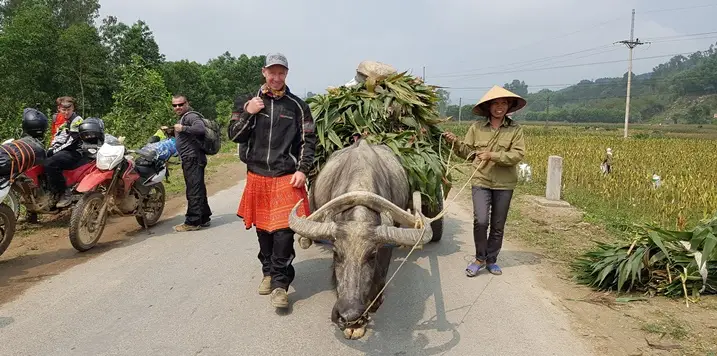 Duration:
4 Days / 3 Nites
Destinations:
Hanoi - Vu Linh
Tour Level:
Chill Level Tours
Duration:
4 Days / 3 Nites
Destinations:
Hanoi - Vu Linh
Tour Level:
Chill Level Tours
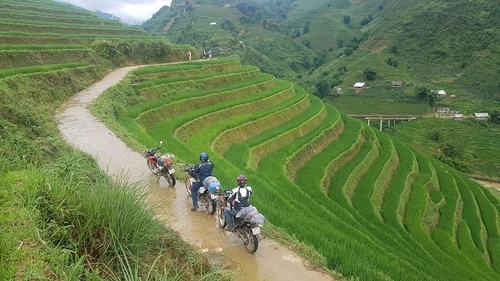 Duration:
6 Days/ 5 Nites
Destinations:
Hanoi - Thac Ba lake
Tour Level:
Chill Level Tours
Duration:
6 Days/ 5 Nites
Destinations:
Hanoi - Thac Ba lake
Tour Level:
Chill Level Tours
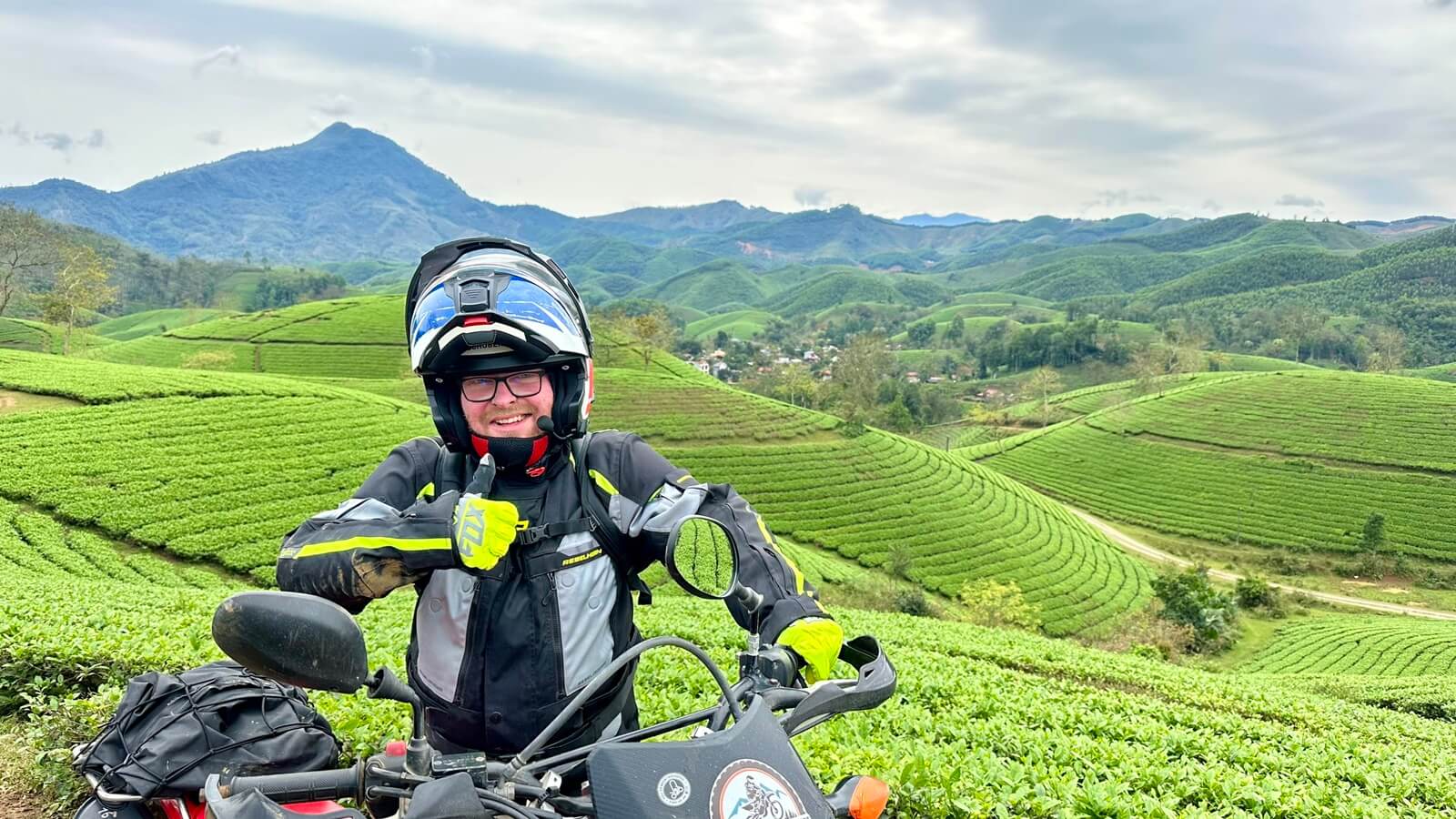 Duration:
7 Days / 6 Nites
Destinations:
Hanoi - Sapa
Tour Level:
Chill Level Tours
Duration:
7 Days / 6 Nites
Destinations:
Hanoi - Sapa
Tour Level:
Chill Level Tours
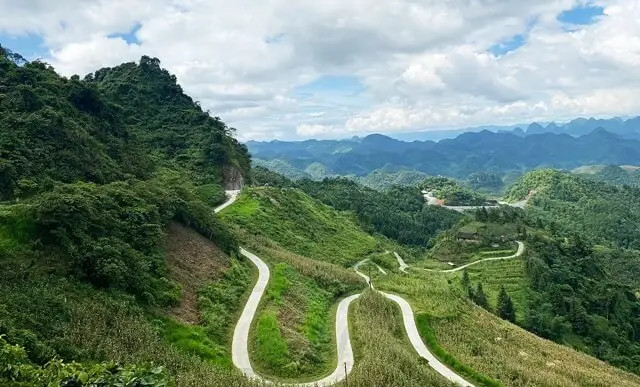 Duration:
7 Days/ 6 Nights
Destinations:
Hanoi - Moc Chau - Sapa
Tour Level:
Chill Level Tours
Duration:
7 Days/ 6 Nights
Destinations:
Hanoi - Moc Chau - Sapa
Tour Level:
Chill Level Tours
 Duration:
15 Days/ 14 Nites
Destinations:
Hanoi - Ha Long bay
Tour Level:
Chill Level Tours
Duration:
15 Days/ 14 Nites
Destinations:
Hanoi - Ha Long bay
Tour Level:
Chill Level Tours
 Duration:
4 Days/ 3 Nites
Destinations:
Hanoi - Thac Ba lake
Tour Level:
Chill Level Tours
Duration:
4 Days/ 3 Nites
Destinations:
Hanoi - Thac Ba lake
Tour Level:
Chill Level Tours
4-Day Northern Vietnam Motorbike Tour From Hanoi
 Duration:
4 Days/ 3 Nites
Duration:
4 Days/ 3 Nites
 Tour Level:
Chill Level Tours - Moderate Level Tours
Tour Level:
Chill Level Tours - Moderate Level Tours
Experience the authentic Vietnam
Ride off the beaten track
Visit beautiful Thac Ba Lake
Interact with lovely local people
Riding some scenic offroad tracks
Enjoy a variety of local foods
11-Day Top Vietnam Motorbike Tour
Duration:
11 Days / 10 Nites
Tour Level:
Chill Level Tours - Moderate Level Tours
Discover the legendary Ho Chi Minh trail
Learn a lot about Vietnam war history
Ride off the beaten track
Experience the authentic Vietnam
Interact with lovely local people
Ride some beautiful coastlines
4-Day Short North Vietnam Motorbike Tour
Duration:
4 Days / 3 Nites
Tour Level:
Chill Level Tours - Moderate Level Tours
Experience the authentic Vietnam
Interact with lovely local people
Visit beautiful Thac Ba lake
Ride off the beaten track
Enjoy a variety of local foods
Ride some scenic offroad tracks
6-Day Northwest Loop Motorbike Tour Vietnam
Duration:
6 Days/ 5 Nites
Tour Level:
Chill Level Tours - Moderate Level Tours
Experience the authentic Vietnam
Explore the hidden gems in Northwest
Visit beautiful Sapa
Ride off the beaten track
Enjoy great local food
Interact with lovely local people
7-Day Motorbike Tour In North Vietnam
Duration:
7 Days / 6 Nites
Tour Level:
Chill Level Tours - Moderate Level Tours
Experience authentic Vietnam
Interact with lovely local people
Ride off the beaten path
Visit all the "Must-See" in North
Enjoy scenic off-road trails
Learn about Vietnamese culture
7-Day Amazing Motorbike Tour To The Hidden Lands Vietnam
Duration:
7 Days/ 6 Nights
Tour Level:
Chill Level Tours - Moderate Level Tours
Discover hidden charms of Northwest Vietnam
Ride fun offroad
Experience the authentic Vietnam
Experience beautiful Sapa
Interact with lovely local people
Ride off the beaten track
Hanoi Street Food Tour
Duration:
15 Days/ 14 Nites
Tour Level:
Experience the authentic Vietnam
Explore beautiful nature in North Vietnam
Interact with lovely local people
Ride scenic offroad trails
Ride off the beaten track
Visit Natural Heritage Ha Long Bay
4-Day Northwest Vietnam Motorbike Tour
Duration:
4 Days/ 3 Nites
Tour Level:
Chill Level Tours - Moderate Level Tours
Experience the authentic Vietnam
Visit beautiful Thac Ba lake
Interact with lovely local people
See the quiet countryside Vietnam
Ride off the beaten track E
Enjoy great local food